









What's Happening?
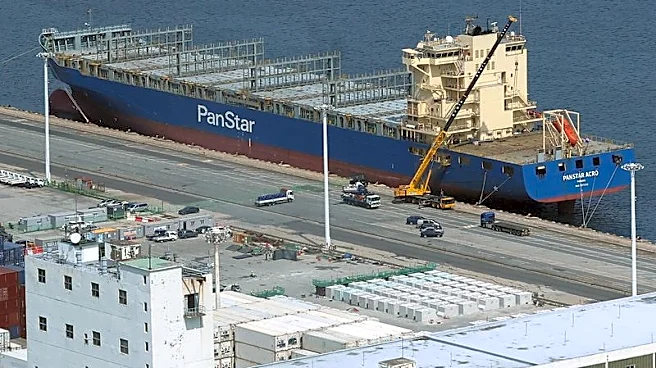
The Arctic maritime route between Asia and Europe is increasingly attracting commercial shipping, with a South Korean container ship, the Panstar Acro, recently departing from Busan for Europe via the Arctic. This follows a Chinese vessel that initiated
a regular service on this route. The growing interest is attributed to the route's shorter distance compared to traditional paths and the impact of climate change, which is making the Arctic more navigable. The Middle East conflict, particularly the blockades in the Strait of Hormuz and threats from Houthis in the Red Sea, has disrupted established shipping lanes, forcing vessels to take longer routes around the Cape of Good Hope. Asian countries, heavily reliant on hydrocarbon supplies, view the Arctic route as a crucial alternative to diversify their options. South Korea aims to establish a regular service by 2030, while China and Russia have been collaborating on developing this route since 2018, with Russia controlling navigation along its northern coasts and providing icebreaker escorts.
Why It's Important?
The increased use of the Arctic sea route has significant implications for global trade and geopolitics. For U.S. industries, a more efficient shipping route between Asia and Europe could lead to reduced transportation costs and faster delivery times for goods, potentially impacting supply chains and consumer prices. However, the route's reliance on Russian control and icebreaker escorts introduces geopolitical risks, especially given international sanctions against Russia. Companies using this route could face scrutiny or potential sanctions, affecting their operations and international relations. Environmentally, the expanded use of the Arctic route raises concerns among environmental defenders about accelerating ice melt and its impact on the fragile Arctic ecosystem. While the route offers economic advantages, the environmental and geopolitical complexities present a delicate balance for U.S. and international stakeholders.
What's Next?
The viability of the Arctic route as a consistent commercial shipping lane is still being tested. The current voyages by Chinese and South Korean vessels are aimed at determining if the melting ice during certain periods of the year allows for a commercially viable passage. Future developments will likely involve further trials and assessments of the route's reliability, safety, and economic benefits. Stakeholders, including shipping companies, governments, and environmental organizations, will continue to monitor the route's usage and its broader implications. The potential for increased traffic will also necessitate discussions on international regulations, environmental protection measures, and the role of Arctic nations in managing this emerging trade corridor. The long-term goal for some Asian countries is to establish regular services, which would require significant investment in ice-strengthened vessels and infrastructure.
Beyond the Headlines
Beyond the immediate economic and logistical benefits, the opening of the Arctic sea route highlights the profound and often paradoxical consequences of climate change. While global warming is a critical environmental threat, it is simultaneously creating new economic opportunities by making previously impassable regions accessible. This development raises ethical questions about exploiting environmental changes for commercial gain and the potential for further ecological damage. The route also underscores the shifting geopolitical landscape, with Russia playing a pivotal role due to its extensive Arctic coastline. This could enhance Russia's influence in international trade and maritime affairs, potentially challenging existing power dynamics. The balance between economic progress, environmental stewardship, and geopolitical stability will be a defining challenge as the Arctic route becomes more prominent in global commerce.