

What's Happening?
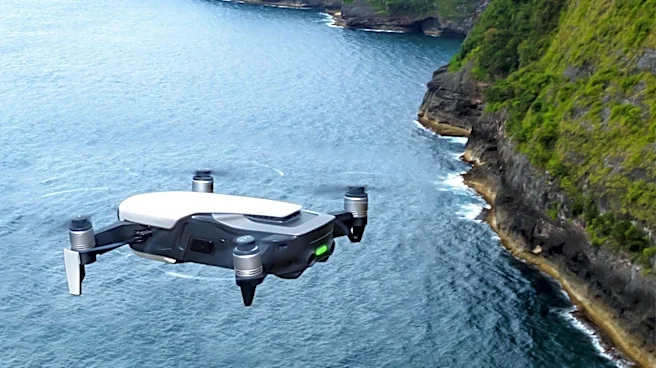
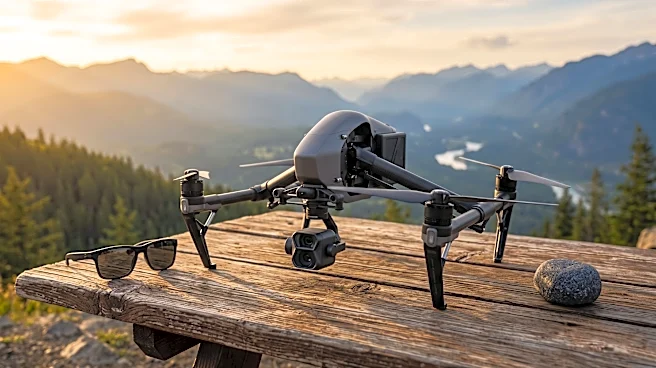
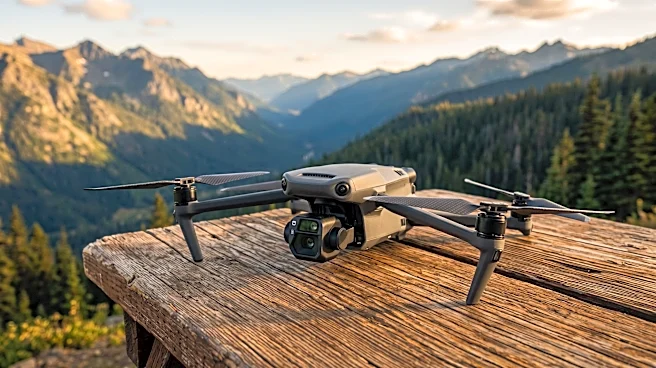
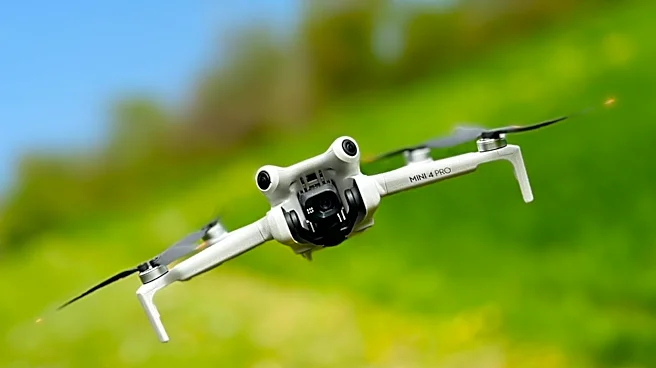
Older DJI drones, even after being replaced by newer models, continue to offer significant utility beyond their initial primary use. These devices are well-suited for practice flights, allowing users to experiment with new maneuvers or teach others to fly
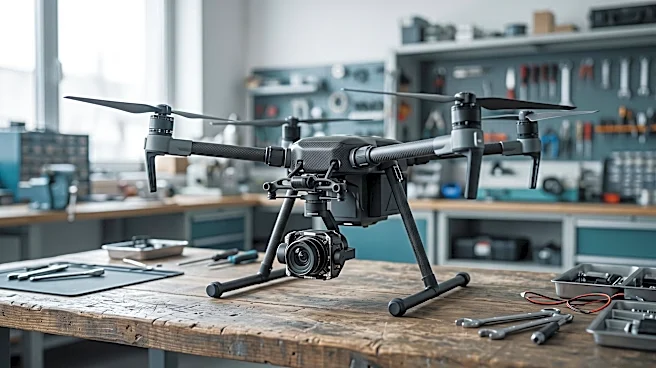
without the risk of damaging more expensive, newer equipment. Their cameras, such as those on the Mavic 2 Pro and Air 2S, still provide high-quality 4K video with good dynamic range, making them suitable for aerial filmmaking, property inspections, or drone mapping projects. Furthermore, these older drones can serve as reliable spares in situations where a primary drone might run out of battery or be at risk of damage. Beyond operational use, components from older DJI drones can be repurposed. Users can either sell individual parts, as there is a market for specific drone components, or use them for custom drone builds, provided they have the necessary technical skills in soldering, electronics, and aerodynamics. Some parts can even be adapted for entirely different uses, such as security cameras or portable chargers.
Why It's Important?
The continued utility of older DJI drones highlights a broader trend in consumer electronics regarding product longevity and secondary markets. For consumers, it offers a cost-effective way to engage in drone piloting, filmmaking, or specialized tasks without investing in the latest, most expensive models. This reduces the barrier to entry for new enthusiasts and provides experienced users with a valuable tool for riskier operations. Economically, the existence of a robust market for used drone parts and components supports a circular economy, extending the lifespan of products and reducing electronic waste. It also fosters innovation among hobbyists who repurpose these parts for new projects. For manufacturers like DJI, the enduring value of their older products can contribute to brand loyalty and a perception of quality, even as they release newer generations. This also suggests a potential for businesses to emerge around drone repair, parts resale, and custom modifications, creating niche economic opportunities.
What's Next?
The ongoing usability of older DJI drones suggests a continued market for second-hand drones and drone components. This could lead to an increase in online marketplaces specializing in used drone parts or services that offer repairs and custom builds using these older models. As drone technology advances, the gap between older and newer models might widen in terms of advanced features, but the fundamental capabilities of older drones for basic tasks will likely remain relevant. This trend might also encourage manufacturers to consider modular designs or easier repairability in future products, recognizing the value consumers place on extending product life. Additionally, educational programs or workshops focused on drone repair and repurposing could gain popularity, catering to individuals interested in the technical aspects of drone technology and sustainable practices.
Beyond the Headlines
The sustained relevance of older DJI drones touches upon themes of technological obsolescence and consumer resourcefulness. In an era of rapid technological advancement, many consumer electronics are quickly deemed obsolete. However, the drone market demonstrates that 'older' does not necessarily mean 'useless.' This challenges the prevailing consumer culture of constant upgrades and encourages a more sustainable approach to technology consumption. Ethically, it raises questions about planned obsolescence and the environmental impact of discarding functional electronics. The ability to repurpose drone parts also fosters a DIY culture, empowering individuals to understand and manipulate technology rather than simply consuming it. This could lead to a more informed and engaged user base, potentially influencing future product design towards greater repairability and versatility, thereby promoting a more sustainable and economically efficient use of technological resources.