


What's Happening?
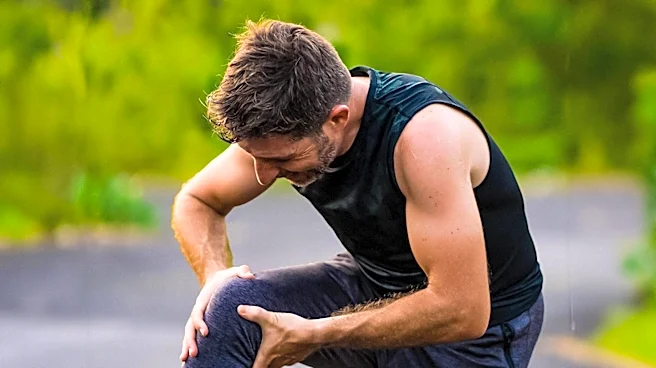
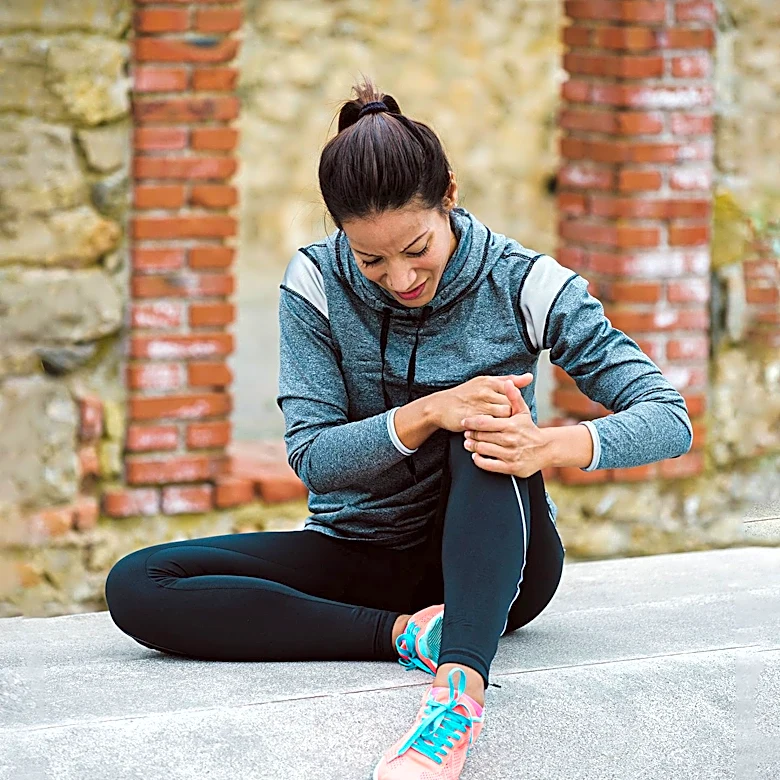
Patellofemoral pain, commonly known as runner's knee, is characterized by pain around or behind the kneecap (patella). This condition typically arises when the load on the knee increases faster than the joint can adapt, often due to activities like increased
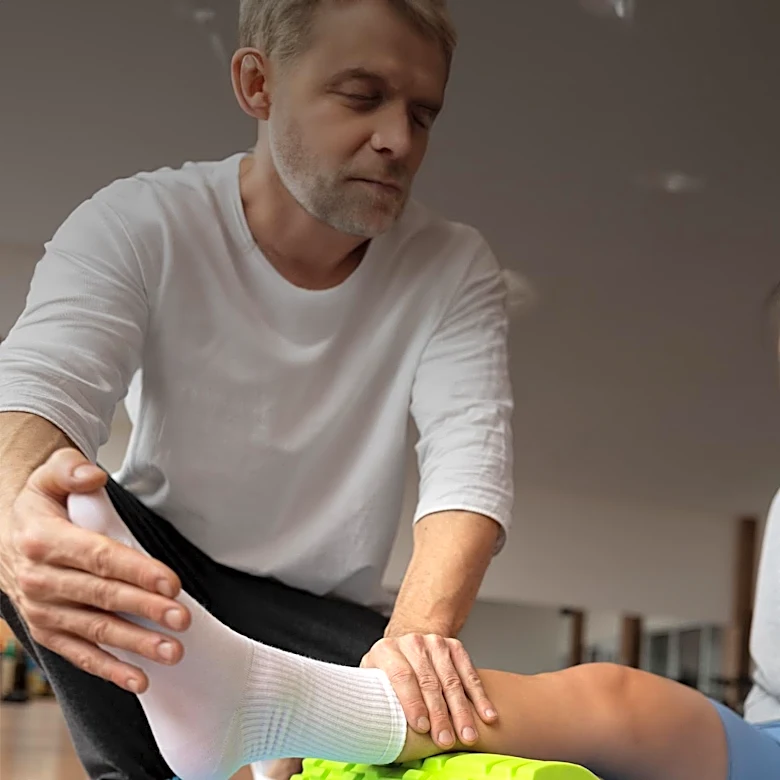
running, more hill training, or prolonged downhill hiking or skiing. Assessment for patellofemoral pain involves evaluating hip and thigh strength, observing squatting and landing mechanics, examining foot mechanics, and reviewing training routines. Treatment focuses on load management and targeted strengthening exercises. Key components of treatment include strengthening hip and thigh muscles, controlling movement during activities like squatting, and potentially using taping for temporary pain relief. Custom-casted orthotics may be considered if foot mechanics contribute significantly to the knee's load.
Why It's Important?
Patellofemoral pain is a prevalent issue, particularly among athletes and active individuals, impacting their ability to participate in sports and daily activities. Effective management of this condition is crucial for maintaining an active lifestyle and preventing chronic pain or further injury. The emphasis on load management and targeted strengthening highlights a proactive approach to musculoskeletal health, reducing reliance on passive treatments. Understanding the multifactorial nature of runner's knee, including the role of hip and thigh strength and foot mechanics, allows for more comprehensive and personalized treatment plans. This approach can lead to better long-term outcomes, enabling individuals to return to their desired activity levels safely and sustainably.
What's Next?
Recovery from patellofemoral pain involves a phased return to activity, with running reintroduced gradually, starting on flat ground before progressing to longer runs, increased pace, and finally, hills. Downhill activities, which place the highest load on the kneecap, are typically the last to be resumed. Similarly, for activities like skiing, strength is built for sustained low stances, and initial return days are shorter. The progression is guided by the knee's tolerance, with each step held until the knee accepts it without flaring up. Individuals are advised to seek professional assessment if kneecap pain recurs on stairs, descents, or runs, starts earlier during activity, or prevents squatting, hiking, or skiing.
Beyond the Headlines
The management of patellofemoral pain underscores the broader principles of rehabilitation and injury prevention in sports medicine. It highlights the importance of a holistic assessment that considers the entire kinetic chain, from the feet to the hips, rather than focusing solely on the knee. The concept of 'load management' is critical, emphasizing that optimal recovery involves finding the right balance between rest and activity, gradually increasing stress to build resilience. This approach can inform training methodologies for athletes, promoting injury resilience and long-term performance. The integration of video analysis for running assessments further illustrates the role of technology in refining diagnostic and treatment strategies in physical therapy.