





What's Happening?
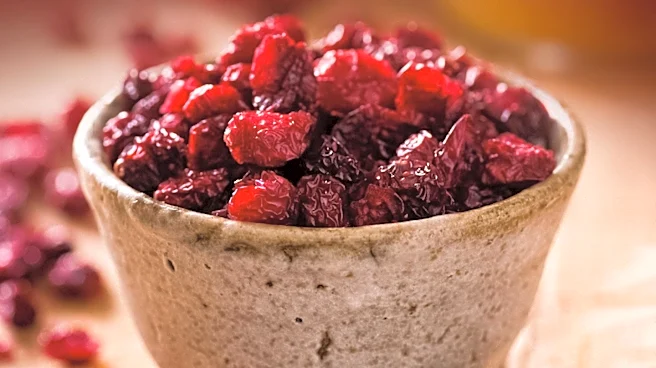
Cranberries, small red berries originating from North America, are being recognized as a superfood due to their extensive health benefits. These berries are rich in essential nutrients and compounds that contribute to various aspects of well-being. Notably,
cranberries are effective in preventing urinary tract infections (UTIs) because their proanthocyanidins prevent bacteria from adhering to the bladder walls, allowing them to be flushed out. Beyond UTIs, regular consumption of cranberries and cranberry juice can positively impact heart health by increasing blood flow and preventing excessive thickening of blood vessel linings, largely due to their polyphenol content. Research also suggests benefits for brain health, with a 2022 study showing improved memory in individuals aged 50-80 who consumed freeze-dried cranberry powder, alongside increased blood flow to brain regions responsible for learning and understanding, and a reduction in LDL cholesterol.
Why It's Important?
The recognition of cranberries as a superfood underscores their significant role in preventative health and wellness. For consumers, this highlights an accessible and versatile fruit that can be easily incorporated into diets to support multiple bodily functions. The proven benefits for urinary tract health offer a natural alternative or supplement to conventional treatments, potentially reducing antibiotic use for recurrent UTIs. The cardiovascular and cognitive benefits further elevate cranberries as a valuable dietary component, appealing to an aging population concerned with heart disease and memory decline. For the U.S. food industry, this could lead to increased demand for cranberry products, from fresh berries to juices, dried cranberries, and supplements, encouraging innovation in product development and marketing strategies focused on health benefits.
What's Next?
Continued research is likely to further explore the full spectrum of cranberry benefits, potentially uncovering new applications or confirming existing ones with stronger evidence. This could lead to more specific dietary recommendations for cranberry intake for various health conditions. The food and beverage industry may introduce more cranberry-infused products, emphasizing their health properties. Consumers might see an increase in cranberry supplements targeting specific health concerns like cognitive function or cardiovascular support. However, it's also important to note potential contraindications, such as for individuals with kidney stones due to oxalate content, or those on blood-thinning medications, which will require clear guidance from healthcare professionals.
Beyond the Headlines
The 'superfood' status of cranberries reflects a broader trend in health and nutrition where natural, whole foods are increasingly valued for their medicinal properties. This emphasis on food as medicine can empower individuals to take a more proactive role in their health management. However, it also highlights the need for balanced information, as while cranberries offer significant benefits, they are not a panacea and should be part of a diverse diet. The commercialization of 'superfoods' can sometimes lead to exaggerated claims, making it crucial for consumers to rely on evidence-based information. The story of cranberries also showcases the importance of traditional knowledge, as these berries have been used for their health properties in indigenous cultures for centuries, now being validated by modern science.