



What's Happening?
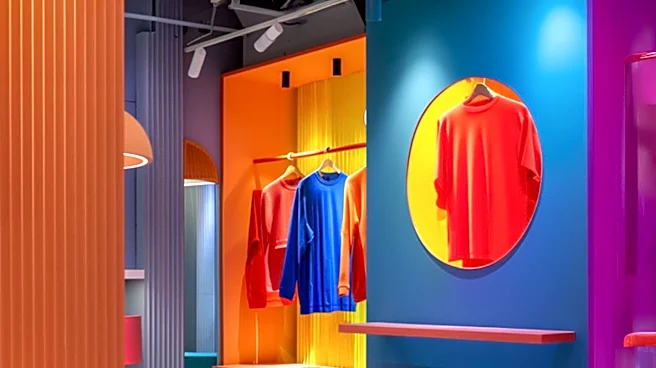
Basic.Space New York has launched its second edition, transforming a Soho storefront at 13 Crosby Street into an exhibition showcasing collectible design, contemporary art, and fashion. This iteration, open to the public through November 19, expands beyond
Basic.Space's traditional three-day format, following previous successful editions in Los Angeles and London. The presentation is a collaboration with fine artist and spatial designer Alexander May, who has curated an environment rich in material, sound, and visual dialogues. Every item on display is available for purchase both in person and through the Basic.Space app. Jesse Lee, founder and CEO of Basic.Space and chairman of Design Miami, stated that the initiative aims to democratize luxury by allowing a new generation of collectors to discover and acquire unique art, design, and fashion pieces. The exhibition features immersive highlights such as 'The Lounge,' an installation by Harry Nuriev of Crosby Studios inspired by a business-class airplane seat, and includes pieces from Virgil Abloh’s 2035: US Edition collection for Vitra, alongside furnishings by renowned designers like Le Corbusier and Mario Bellini. Additionally, New York speaker design studio Silence Please presents 'Needle in the Haystack,' a listening environment, and PLATFORM showcases paintings by Brooklyn-based artist Joe Henry Baker.
Why It's Important?
This extended exhibition by Basic.Space New York signifies a growing trend in the retail and art sectors towards immersive, experiential shopping and collecting. By democratizing luxury and making high-end art, design, and fashion accessible through both physical and digital platforms, Basic.Space is influencing how consumers engage with and acquire unique items. This model benefits emerging and established designers by providing a curated platform for their work, potentially broadening their audience beyond traditional galleries and showrooms. The collaboration with notable figures like Alexander May and the inclusion of works by iconic designers such as Virgil Abloh and Le Corbusier elevate the cultural significance of the event, attracting a diverse audience interested in contemporary aesthetics and collectible pieces. For the Soho district, such events contribute to its reputation as a hub for art, fashion, and design innovation, drawing foot traffic and fostering a dynamic cultural landscape. The emphasis on accessibility through an app also highlights the evolving intersection of e-commerce and physical retail, offering a hybrid model that caters to modern consumer preferences.
What's Next?
Following the conclusion of its New York edition on November 19, Basic.Space may continue to expand its presence with similar pop-up exhibitions in other major cities, building on the success of its Los Angeles and London iterations. The platform's focus on democratizing luxury suggests a continued effort to integrate online and offline experiences, potentially leading to further enhancements of its app to facilitate broader access to unique art, design, and fashion. Collaborations with artists, designers, and curators are likely to remain a core strategy, ensuring a fresh and diverse offering for collectors. The success of this extended format could also influence other luxury retailers and art institutions to adopt similar models, emphasizing longer engagement periods and more immersive presentations. Basic.Space's role in fostering a new generation of collectors indicates a potential for sustained growth in the collectible market, driven by accessible platforms and curated experiences.
Beyond the Headlines
The Basic.Space New York exhibition reflects a broader cultural shift towards valuing unique, curated experiences and objects over mass-produced goods. This movement, often termed 'experiential retail,' blurs the lines between art galleries, design showrooms, and traditional retail spaces, creating environments where consumption is intertwined with cultural engagement. The initiative also highlights the increasing importance of digital platforms in the luxury market, where apps serve not just as transactional tools but as discovery engines for a global audience. Ethically, by 'democratizing luxury,' Basic.Space challenges traditional exclusivity in high-end markets, potentially making collectible art and design more attainable for a wider demographic. This could lead to a more inclusive art and design ecosystem, fostering new talent and diversifying collector bases. The integration of various artistic disciplines—from fashion and furniture to sound installations—also underscores a growing interdisciplinary approach in contemporary design, reflecting a holistic view of aesthetic experience.