




What's Happening?
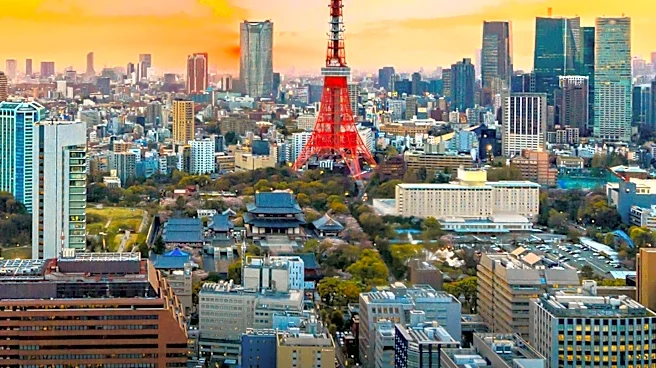
Tokyo, Japan, is highlighted as a dynamic global city that seamlessly integrates modern advancements with deep-rooted traditions. The city is renowned for its striking skyline, characterized by bright neon lights and bustling districts such as Shibuya
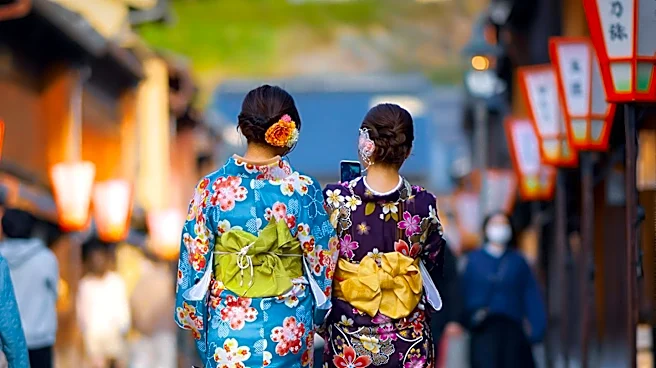
Crossing and the Tokyo Skytree, which offers panoramic views. Beyond its contemporary facade, Tokyo preserves a rich cultural heritage, evident in ancient sites like the Senso-ji Temple in Asakusa and the serene Meiji Shrine, nestled within a lush forest. The city is also a major hub for fashion, shopping, and pop culture, with areas like Ginza known for luxury boutiques, Harajuku for vibrant street fashion, and Akihabara catering to anime, manga, gaming, and electronics enthusiasts. Tokyo's culinary scene is a significant draw, offering a wide array of authentic Japanese dishes from sushi and ramen to tempura and traditional matcha desserts. The city's natural beauty is showcased through its parks and seasonal scenery, particularly the cherry blossoms in Ueno Park and Shinjuku Gyoen during spring. Its efficient public transportation system, including extensive train and subway networks, along with high-speed Shinkansen connections, makes it a world-class travel destination.
Why It's Important?
Tokyo's unique blend of tradition and modernity makes it a significant global destination, influencing tourism, culture, and technology worldwide. Its status as a fashion and pop culture center, particularly in districts like Harajuku and Akihabara, sets global trends and attracts international visitors, contributing significantly to Japan's economy through tourism and retail. The city's advanced infrastructure and efficient public transportation system serve as a model for urban development globally, demonstrating how large metropolises can manage high population densities while maintaining functionality and cleanliness. Furthermore, Tokyo's culinary reputation as a paradise for food lovers enhances its appeal, drawing gourmands and contributing to the global appreciation of Japanese cuisine. The preservation of ancient temples and shrines amidst a futuristic cityscape highlights a successful balance between progress and heritage, offering valuable lessons in cultural conservation for other rapidly developing cities. This balance also enriches the visitor experience, providing both contemporary excitement and historical depth.
What's Next?
Tokyo is expected to continue its trajectory as a leading global city, further integrating technological advancements with its cultural offerings. Future developments may focus on enhancing sustainable tourism practices to manage the influx of visitors while preserving its unique character. There will likely be continued innovation in its fashion, entertainment, and technology sectors, solidifying its role as a trendsetter. Efforts to promote its diverse districts, from luxury shopping in Ginza to the subcultures of Harajuku and Akihabara, will likely intensify to cater to a broader range of international tourists. The city's efficient public transportation system will continue to evolve, potentially incorporating more advanced smart technologies to further improve urban mobility. Additionally, Tokyo will likely remain a key destination for international events and conferences, leveraging its world-class infrastructure and unique cultural appeal to attract global attention and investment.
Beyond the Headlines
Beyond its immediate appeal as a tourist destination, Tokyo represents a fascinating case study in cultural resilience and adaptation. The city's ability to maintain its traditional heritage, such as ancient temples and serene gardens, while simultaneously embracing cutting-edge technology and modern urban development, speaks to a profound cultural identity. This duality offers a unique perspective on how societies can navigate globalization without losing their distinct character. The emphasis on efficiency, cleanliness, and advanced infrastructure also reflects deeper societal values, including discipline, community responsibility, and a forward-thinking approach. The city's diverse subcultures, particularly in areas like Harajuku and Akihabara, illustrate the dynamic interplay between global influences and local interpretations, fostering unique forms of artistic expression and social interaction. This blend of the ancient and the futuristic, the traditional and the avant-garde, makes Tokyo a living laboratory for understanding contemporary urban life and cultural evolution.