

What's Happening?
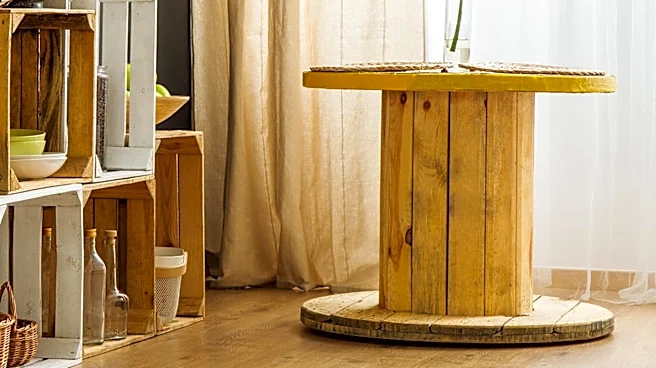
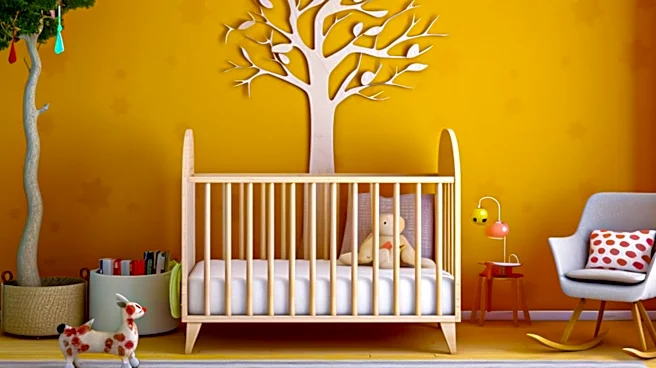
The practice of upcycling second-hand furniture is gaining traction as a creative and budget-friendly approach to designing nurseries. This method involves acquiring used furniture, refurbishing it, and giving it new life and functionality. Artvoom suggests
various techniques such as painting furniture in soft pastel colors, adding decals, reupholstering cushions with playful fabrics, or transforming a dresser into a changing table. The process not only allows for personalized nursery designs but also promotes sustainability by reducing waste. Key considerations include checking for safety recalls on items like cribs and changing tables, ensuring sturdiness, and verifying that furniture is free from toxic materials. Businesses like Salvage Angel also offer a range of upcycled furniture, highlighting the growing market for such items.
Why It's Important?
The trend of upcycling furniture for nurseries holds significant importance for several reasons. Economically, it provides a cost-effective alternative to purchasing new furniture, enabling families to create aesthetically pleasing and functional spaces without breaking the bank. Environmentally, it champions sustainability by diverting furniture from landfills, thereby reducing waste and promoting a circular economy. Each upcycled piece often carries a unique story, contributing to a distinctive and charming nursery aesthetic that mass-produced items lack. This approach also encourages creativity and DIY skills, empowering individuals to customize their living spaces. The emphasis on safety checks for second-hand items, particularly for infants, underscores the importance of responsible upcycling practices to ensure the well-being of children.
What's Next?
The continued growth of the upcycling movement is anticipated, with more resources and businesses emerging to support this trend. Expect to see an increase in online marketplaces and local thrift stores specializing in second-hand furniture suitable for refurbishment. Educational content, such as tutorials and workshops on furniture restoration and refinishing techniques, will likely become more prevalent, catering to individuals looking to develop these skills. The demand for non-toxic paints and finishes for children's furniture will also rise, driven by safety concerns. Furthermore, designers and retailers may increasingly integrate upcycled elements into their offerings, recognizing the appeal of unique, sustainable, and personalized items. The focus will remain on balancing aesthetic appeal with safety and environmental responsibility.
Beyond the Headlines
Beyond the immediate benefits of cost savings and unique aesthetics, the upcycling of furniture for nurseries reflects a broader cultural shift towards conscious consumption and sustainable living. It challenges the prevailing 'buy new' mentality, encouraging a deeper appreciation for craftsmanship and the potential of existing resources. This movement fosters a sense of connection to the past through vintage pieces while simultaneously innovating for the future by reducing environmental impact. Ethically, it promotes responsible resource management and a reduced carbon footprint. The act of transforming an old piece of furniture into something new and functional can also be a deeply rewarding personal endeavor, instilling a sense of pride and creativity. This trend signifies a growing awareness of how individual choices can contribute to larger environmental and societal well-being.