





What's Happening?
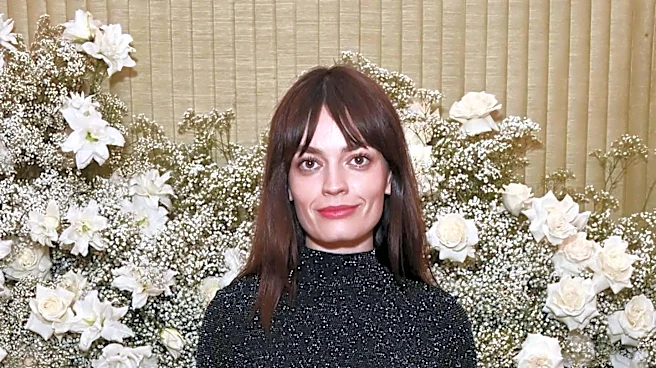
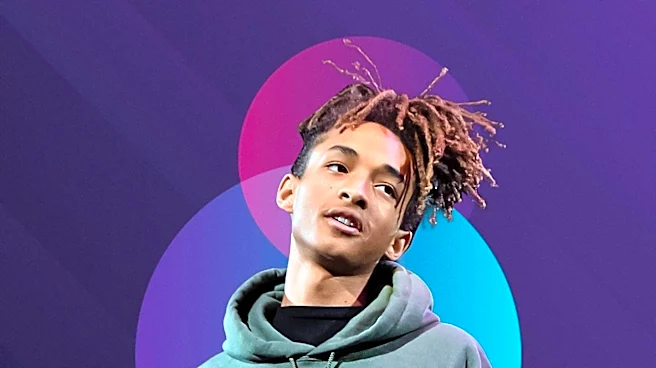
AI-altered fake photos of Hollywood celebrities are being widely disseminated across social media platforms, particularly X. These images often involve slight modifications of real paparazzi photos to create misleading narratives. Examples include Miley
Cyrus appearing emaciated in one photo and significantly heavier a week later, with the latter being a face-swapped image. Similarly, a water bottle held by Billie Eilish was altered to appear as a cigarette, and Kendall Jenner was depicted as pregnant while holding a liquor bottle. This trend extends to fake wedding and pregnancy announcements, with Zendaya having to address AI-generated wedding photos with Tom Holland that led to public congratulations. Kylian Mbappé and Spanish actor Ester Expósito were also subjects of a fake full-term pregnancy photo. The U.S. IT media outlet Futureism exposed the mass spread of these AI-modified images, highlighting the growing issue of digital misinformation targeting public figures.
Why It's Important?
The proliferation of AI-generated fake photos of celebrities poses significant challenges to media authenticity and public perception. This trend blurs the lines between reality and fabrication, making it increasingly difficult for the public to discern genuine news from misinformation. For celebrities, these fake images can lead to reputational damage, emotional distress, and the need to constantly debunk false narratives. The ease with which these images can be created and spread also undermines trust in visual media, which has traditionally been considered a reliable source of information. This issue has broader implications for society, as similar AI manipulation techniques could be used to create fake news about political figures, public events, or sensitive social issues, potentially influencing public opinion and even democratic processes. The incident underscores the urgent need for advanced detection tools and increased media literacy to combat the spread of AI-generated falsehoods.
What's Next?
As AI technology continues to advance, the creation and dissemination of sophisticated fake images are likely to become more prevalent and harder to detect. This will necessitate a multi-faceted response from technology companies, media organizations, and regulatory bodies. Social media platforms will face increased pressure to implement more robust content moderation policies and develop AI detection tools to identify and remove manipulated content quickly. There may also be a push for legislative measures to address the creation and distribution of deceptive AI-generated media, particularly when it involves public figures or has the potential to cause harm. Celebrities and their public relations teams will likely need to adopt more proactive strategies to address misinformation, including issuing timely clarifications and utilizing their platforms to educate the public about AI manipulation. Furthermore, ongoing public education campaigns will be crucial to enhance media literacy and equip individuals with the critical thinking skills needed to evaluate online content.
Beyond the Headlines
The rise of AI-generated fake photos touches upon profound ethical and legal questions regarding digital identity, consent, and the nature of truth in the digital age. Ethically, the creation of these images without consent raises concerns about privacy and the exploitation of individuals' likenesses for potentially malicious purposes. Legally, existing defamation and intellectual property laws may struggle to adequately address the complexities of AI-generated content, prompting calls for new legal frameworks. Culturally, this phenomenon reflects a broader societal shift where digital representations can be easily manipulated, challenging traditional notions of authenticity and trust. The long-term implications could include a pervasive skepticism towards all visual media, potentially eroding public trust in journalism and official communications. This development also highlights the dual nature of AI: a powerful tool with immense potential for good, but also a potent instrument for deception and harm, necessitating careful consideration of its development and deployment.