




What's Happening?
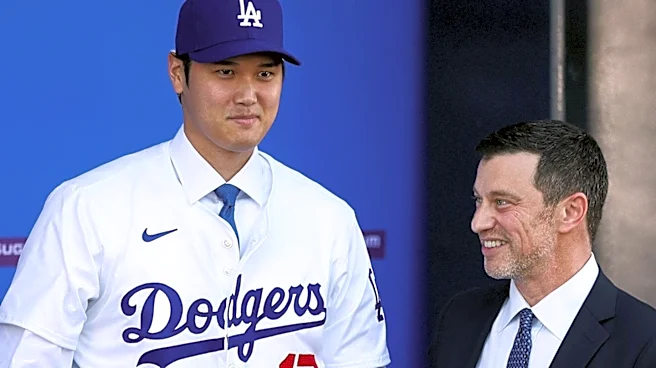
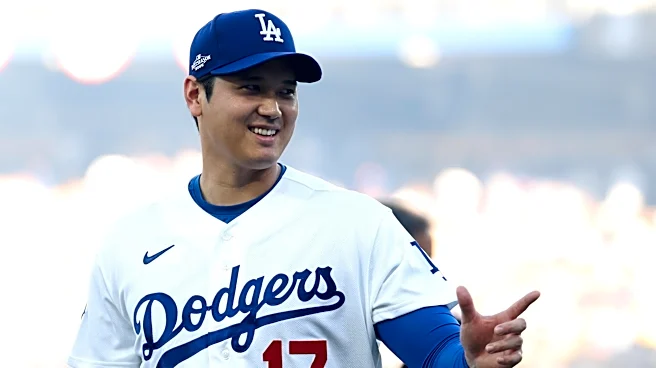
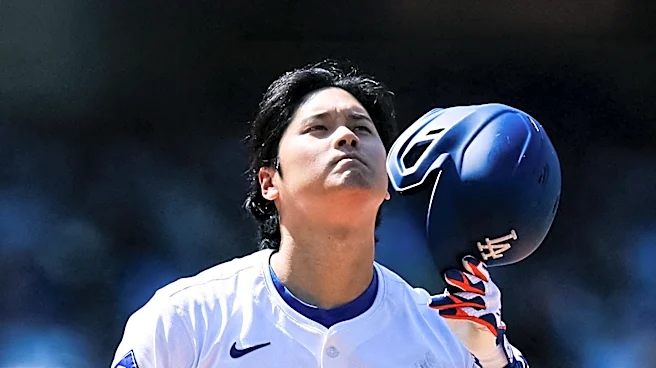
The Los Angeles Dodgers' management, specifically Andrew Friedman and manager Dave Roberts, are confronting a significant challenge in balancing Shohei Ohtani's aspirations for a Cy Young Award with the necessity of keeping him healthy for the postseason
and potential World Series appearances. This high-stakes dilemma was discussed on D-Mac and Reiter on 97.1 The Fan LA. The core issue revolves around whether the Dodgers can, or should, limit Ohtani's pitching workload to ensure his long-term health and availability for crucial October games, especially given his history of injuries. The team must navigate Ohtani's desire to excel as both a hitter and a pitcher while prioritizing the team's ultimate goal of winning a championship.
Why It's Important?
This situation is critical for the Dodgers due to the immense investment in Shohei Ohtani and his pivotal role in the team's success. Ohtani's unique two-way talent makes him an invaluable asset, but also presents unprecedented management challenges. His health directly impacts the team's championship aspirations, and any misstep in managing his workload could have severe consequences, both on the field and financially. The decision-making process will set a precedent for how elite two-way players are managed in MLB, influencing future player contracts and team strategies. Furthermore, it highlights the tension between individual player goals and organizational objectives, a common theme in professional sports but amplified by Ohtani's singular status.
What's Next?
The Dodgers' management will likely engage in ongoing discussions with Shohei Ohtani and his representatives to establish a clear plan for his pitching and hitting roles. This plan will need to consider his recovery from past injuries, his performance metrics, and the team's overall needs throughout the season. Potential strategies could include a modified pitching schedule, limitations on innings pitched, or strategic rest days. The team will also closely monitor his physical condition and performance to make real-time adjustments. The ultimate goal will be to optimize his contributions while mitigating injury risks, ensuring he is at his best when it matters most in the postseason.
Beyond the Headlines
The challenge of managing Shohei Ohtani's health and aspirations extends beyond immediate team performance, touching upon broader themes of athlete autonomy versus team control, and the evolving understanding of player longevity in elite sports. Ohtani's situation could influence how future contracts are structured for multi-talented athletes, potentially including clauses related to workload management or injury protocols. Ethically, the Dodgers must balance their investment and championship goals with Ohtani's personal career ambitions and well-being. This ongoing narrative will serve as a case study in modern sports management, illustrating the complexities of maximizing a generational talent's impact while safeguarding their long-term career.