


What's Happening?
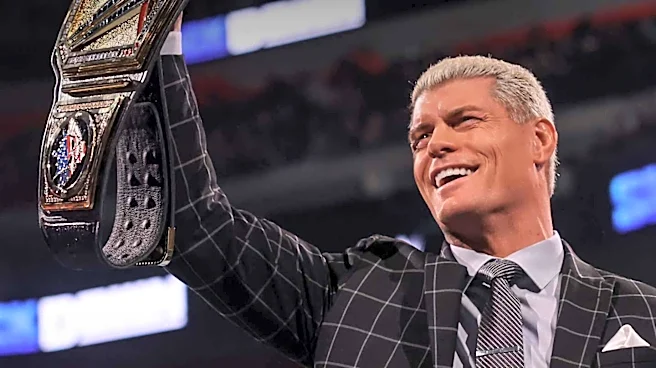
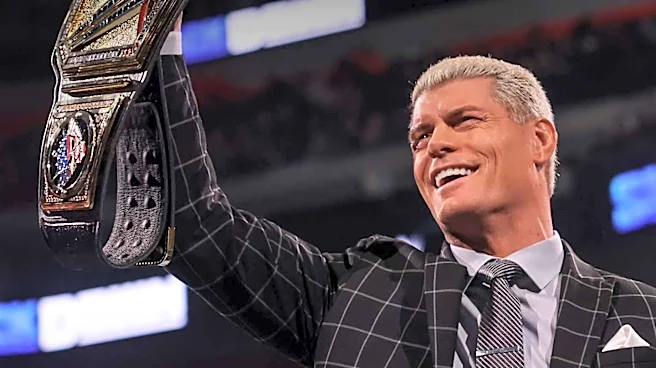
Cody Rhodes, a prominent WWE Superstar, has voiced concerns regarding the potential portrayal of Team USA as antagonists in the upcoming Survivor Series: WarGames premium live event. The event will feature a traditional Survivor Series match pitting Team USA against
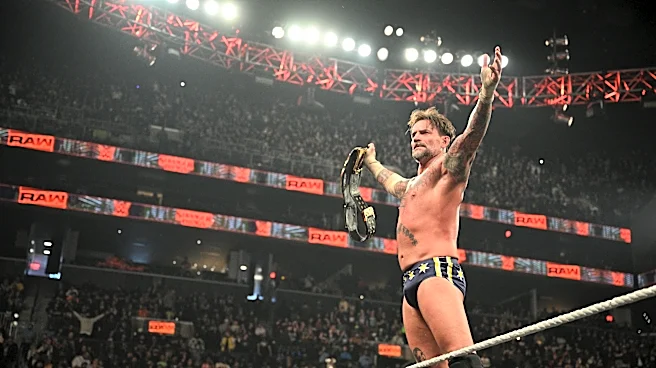
Team Mexico. Rhodes, who is leading Team USA alongside Rey Mysterio, acknowledged the real-life tensions between the countries and expressed the difficulty of promoting Team USA as the victors without inadvertently creating a 'bad guy' image. He stated that despite the competitive nature of the match, Team USA, which currently includes himself, CM Punk, and Je'Von Evans, supports all participating countries, including Mexico, Ireland, and Samoa. Rhodes described the situation as a 'minefield' and a 'setup' that he intends to navigate carefully, suggesting that Team USA might be perceived as the heels in Houston, Texas, where the event will take place. The Team USA roster is still seeking two more members, while Team Mexico, led by Rey Mysterio, includes Penta and three other yet-to-be-named stars.
Why It's Important?
This situation highlights the delicate balance WWE often attempts to strike between creating compelling storylines and navigating real-world sensitivities. Rhodes' comments underscore the potential for wrestling narratives to intersect with geopolitical perceptions, even in a fictional sports entertainment context. The portrayal of Team USA as potential 'bad guys' could influence audience reception, particularly in a diverse market like the United States, where national pride and international relations are complex issues. For WWE, managing this narrative is crucial to maintaining its broad appeal and avoiding alienating segments of its fanbase. The outcome of this storyline could set a precedent for how international rivalries are framed in future WWE events, impacting both fan engagement and the company's public image. It also showcases Rhodes' awareness of the broader implications of his character's actions and promos, reflecting a more nuanced approach to storytelling in professional wrestling.
What's Next?
As the Survivor Series: WarGames event approaches, the focus will be on how Cody Rhodes and WWE creative team manage the narrative surrounding Team USA. Rhodes will need to deliver promos that build anticipation for the match against Team Mexico without inadvertently casting his team in a negative light, as he himself noted the difficulty of this task. The remaining members of both Team USA and Team Mexico are yet to be announced, which will further shape the dynamics of the rivalry. The audience's reaction in Houston, Texas, will be a key indicator of whether Rhodes' concerns about Team USA being perceived as villains materialize. This storyline could lead to a more complex character arc for Rhodes, potentially exploring themes of national identity and sportsmanship within the WWE universe. The event will also test WWE's ability to craft engaging international rivalries that resonate with fans while remaining sensitive to real-world contexts.
Beyond the Headlines
The discussion around Team USA's potential 'heel' turn in a WWE storyline touches upon deeper cultural and ethical considerations within sports entertainment. Professional wrestling, while fictional, often mirrors or comments on societal dynamics. The idea of a 'home team' being cast as antagonists challenges traditional narrative tropes where the local or national representatives are typically cheered. This subversion could be a deliberate attempt by WWE to provoke thought or create a more complex, less black-and-white narrative, moving beyond simplistic good-versus-evil portrayals. It also raises questions about how national symbols and identities are utilized in entertainment and the responsibility of creators to navigate these representations carefully. The potential for real-world tensions to 'ooze' into storylines, as Rhodes put it, underscores the power of media narratives and the need for nuanced storytelling, even in a genre known for its theatricality. This approach could signify a maturation in WWE's storytelling, aiming for more sophisticated and thought-provoking narratives.