




What's Happening?
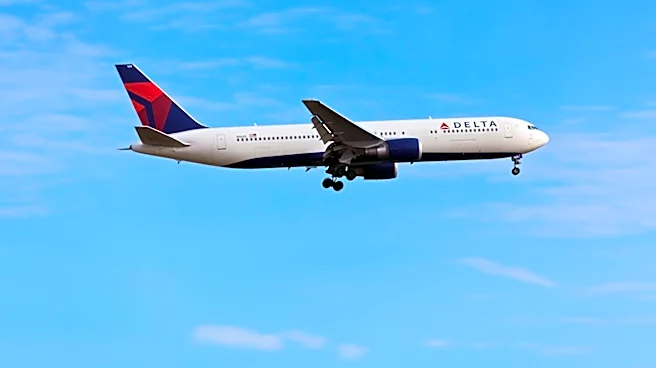
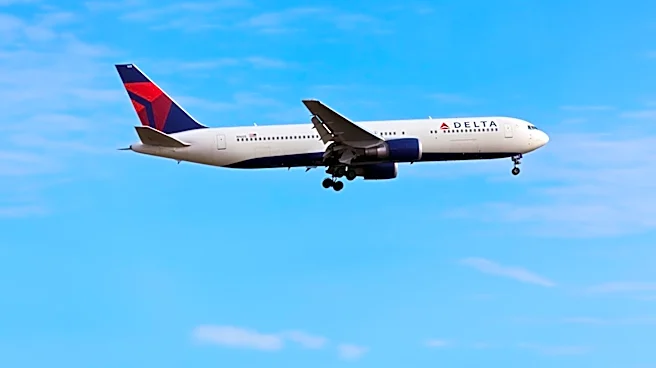
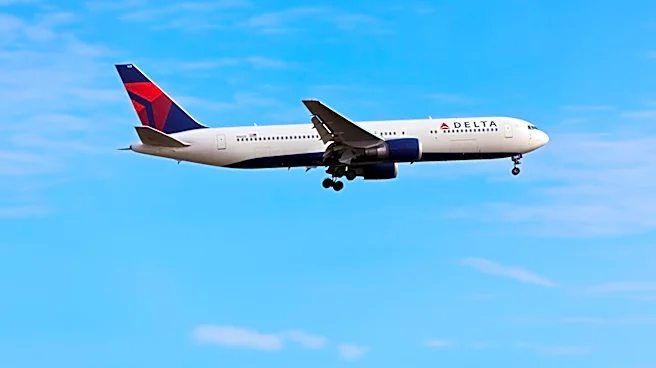
Delta Air Lines CEO Ed Bastian has sharply criticized London Heathrow Airport's decision to relocate Delta's handling processes from Terminal 3 to Terminal 4. This move would physically separate Delta from its British partner, Virgin Atlantic, with whom
it has shared Terminal 3 for over a decade. According to Bastian, this decision is 'short-sighted, deeply disappointing and bad for airline customers.' The current co-location in Terminal 3 is the operational foundation of the transatlantic joint venture between Delta and Virgin Atlantic, which began in 2013 and in which Delta holds a 49 percent stake. This proximity facilitates short transfer times for passengers and allows for shared ground services. Heathrow Airport justifies the restructuring by citing capacity constraints and the need to reorganize terminal allocation as part of modernization efforts, as the airport has been operating at its capacity limit for years. However, Delta argues that separating the airlines would force a relocation of transfer traffic, as Terminal 4 is geographically distinct from the main terminals and only accessible via transfer systems.
Why It's Important?
This dispute is significant for U.S. air travelers and the transatlantic aviation market. The separation of Delta and Virgin Atlantic at Heathrow could lead to increased travel times and inconvenience for passengers connecting between the two airlines, potentially impacting millions of travelers. The joint venture between Delta and Virgin Atlantic has been a competitive alternative across the Atlantic, offering integrated services and premium amenities. Undermining this partnership could weaken competition and potentially lead to higher fares and fewer choices for consumers. For Delta Air Lines, the decision poses both operational and commercial challenges, as it would disrupt a long-standing, efficient co-located operation and could necessitate significant logistical adjustments. The airline's willingness to pursue legal and transport policy options highlights the perceived severity of the impact on its business and customer experience.
What's Next?
Delta Air Lines has announced its intention to examine legal and transport policy options to challenge Heathrow Airport's decision. CEO Ed Bastian has urged Heathrow Airport Limited to reconsider the plan in favor of a more prudent and thoughtful outcome that prioritizes travelers and allows for healthy competition. Virgin Group founder Richard Branson and Virgin Atlantic CEO Corneel Koster have also voiced strong opposition, emphasizing that the move would create unnecessary friction for customers and weaken competition. The next steps will likely involve further discussions between Delta, Virgin Atlantic, and Heathrow Airport, potentially leading to formal appeals or regulatory interventions. The outcome of this dispute could set a precedent for how airport operators manage terminal allocations for airline partnerships, especially those involving transatlantic joint ventures.
Beyond the Headlines
The conflict at Heathrow Airport underscores the complex interplay between airport infrastructure, airline partnerships, and passenger experience in the global aviation industry. While airports aim to optimize capacity and modernize facilities, such decisions can have profound implications for airline alliances and their ability to offer seamless travel. This situation highlights the strategic importance of hub airports like Heathrow for transatlantic travel and the competitive advantages derived from co-located operations. The dispute also brings to light the power dynamics between airport authorities and major airlines, where operational decisions by one can significantly impact the business models and customer offerings of the other. The resolution of this issue will not only affect Delta and Virgin Atlantic but could also influence future partnership strategies and terminal planning at other major international airports.