




What's Happening?
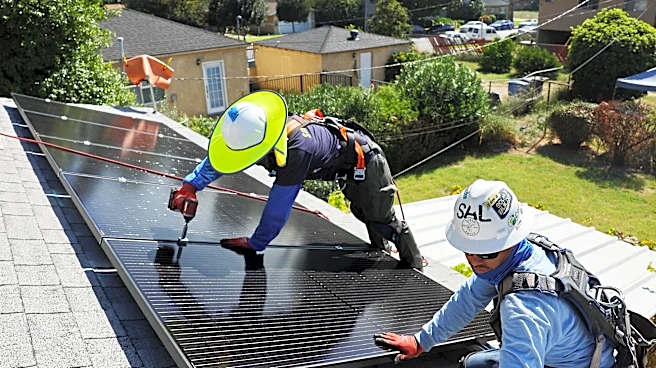
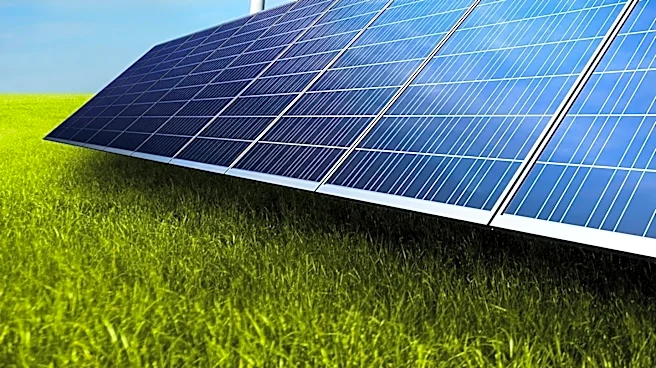
A homeowner in Orange County, California, received a $4,000 quote to repair their three-year-old solar panel system after several optimizers failed. The original installer is no longer in business. A new certified installer quoted $800 per optimizer for installation,
totaling $4,000 for five optimizers. The homeowner noted that the optimizers themselves cost approximately $70 each, suggesting the labor cost is disproportionately high. This situation highlights a common issue where homeowners face significant repair expenses and difficulty finding service when their initial solar installers cease operations. The homeowner sought advice on Reddit, questioning the fairness of the $4,000 repair estimate for parts that would cost around $350 if purchased individually.
Why It's Important?
This incident underscores a critical challenge within the U.S. residential solar energy market: the long-term service and maintenance of installed systems, especially when original installers go out of business. For homeowners, unexpected and high repair costs can diminish the financial benefits of solar energy, potentially deterring future adoption. The high labor cost quoted, significantly exceeding the part cost, raises concerns about transparency and fair pricing in the solar repair sector. This situation could lead to a lack of consumer confidence in the solar industry, impacting its growth and the broader transition to renewable energy. It also highlights the need for robust warranty claims processes and accessible, competitive repair services to support solar panel owners.
What's Next?
The homeowner has been advised by online communities to file a warranty claim for replacement optimizers and to seek additional service quotes from other installers. This suggests a need for consumers to be proactive in researching and comparing repair options. For the solar industry, this situation may prompt a reevaluation of service agreements and the establishment of more reliable long-term maintenance networks. Regulators might also consider measures to protect consumers from exorbitant repair costs and ensure continuity of service, particularly given the increasing number of solar installations across the U.S. The outcome for this homeowner could influence how similar cases are handled in the future, potentially leading to better consumer protections in the solar market.
Beyond the Headlines
The issue of high solar repair costs and defunct installers points to a broader systemic challenge in rapidly expanding industries. As solar adoption grows, the infrastructure for post-installation support must mature to match. This includes not only technical repair services but also clear pathways for warranty claims and consumer recourse. The perceived lack of transparency in pricing, where labor costs far outweigh material costs, could erode public trust in green technologies. This could also lead to a 'do-it-yourself' trend for minor repairs, which might pose safety risks if not handled by certified professionals. Ultimately, the long-term success of the U.S. solar energy transition depends on reliable, affordable, and accessible maintenance and repair services.