







What's Happening?
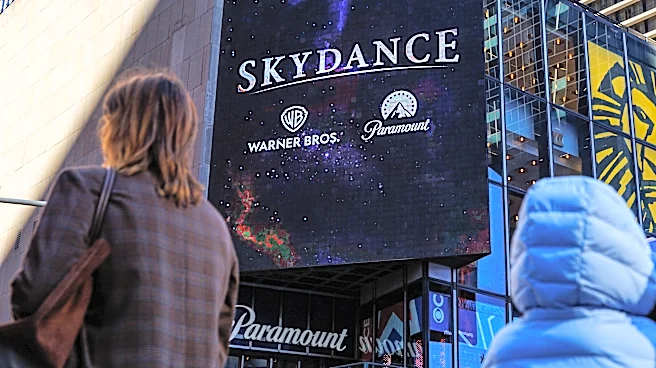
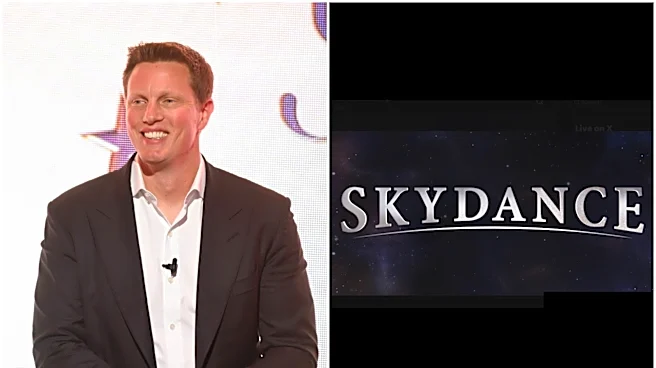
David Ellison's Paramount Skydance has finalized its acquisition of Warner Bros. Discovery, creating a new, massive media and entertainment conglomerate now operating under the name Skydance. This merger brings together two of Hollywood's most historic
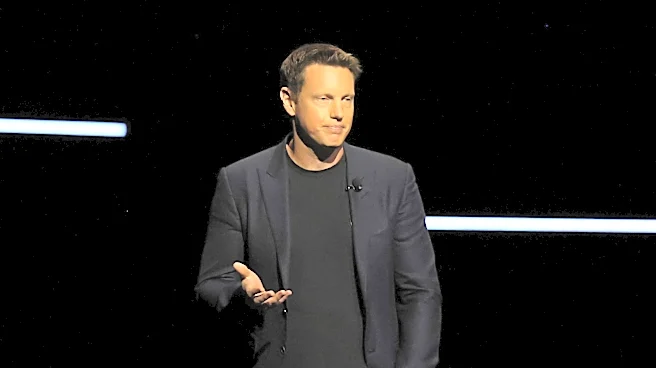
film studios. The newly formed entity will oversee a vast array of entertainment assets, including the streaming services HBO Max and Paramount+, an extensive film library featuring franchises like 'Star Trek,' 'Barbie,' 'Top Gun,' 'Harry Potter,' and 'Superman,' as well as major news organizations CNN and CBS News. David Ellison and Ynon Kreiz will serve as co-CEOs of the combined company. The acquisition cost Paramount $81 billion, excluding debt, while Skydance had acquired Paramount for $8 billion the previous year. Skydance's estimated net debt following these acquisitions is around $80 billion, according to Morningstar. Warner CEO David Zaslav is set to receive a compensation package valued at approximately $550 million upon the merger's completion.
Why It's Important?
This merger significantly reshapes the media and entertainment landscape, consolidating substantial intellectual property and distribution channels under a single entity. The combined company, Skydance, now commands an annual revenue of nearly $70 billion, a substantial increase from the $65.3 billion combined revenue of Paramount Skydance and Warner for the 12 months ending in June, as reported by FactSet. This scale could lead to increased market power in content creation, distribution, and advertising, potentially impacting competitors and consumers. The integration of diverse content libraries and streaming platforms like HBO Max and Paramount+ could lead to new bundling strategies or content exclusivity, influencing subscription models and consumer choices in the streaming wars. The promise to release 30 movies per year in the first two years, increasing to 32 in subsequent years, signals an aggressive content strategy aimed at leveraging the combined studios' capabilities and satisfying regulatory agreements.
What's Next?
Skydance faces the immediate challenge of integrating the vast operations of Paramount and Warner Bros. Discovery, including their diverse content libraries, streaming platforms, and news divisions. The new leadership under David Ellison and Ynon Kreiz will need to formulate a cohesive strategy to maximize the value of these assets. This includes deciding on content development priorities, optimizing streaming service offerings, and potentially rationalizing overlapping operations. The company has committed to releasing 30 movies annually for the first two years post-merger, increasing to 32 in the following three years, a promise made as part of a settlement with 12 states that had sued to block the merger. This commitment suggests a focus on robust film production. Stakeholders will be watching how Skydance navigates the competitive streaming market and leverages its combined 11.8% share of total TV viewing, as reported by Nielsen for July, which includes cable, broadcast, and streaming properties.
Beyond the Headlines
The formation of Skydance as a media behemoth raises broader questions about industry consolidation and its long-term effects on creative diversity and market competition. With fewer major players controlling a larger share of content production and distribution, there could be implications for independent filmmakers, content creators, and the variety of stories brought to audiences. The substantial compensation package for Warner CEO David Zaslav, valued at approximately $550 million, also highlights ongoing debates about executive compensation in large corporate mergers, particularly in an industry undergoing significant transformation. Furthermore, the integration of two major news organizations, CNN and CBS News, under a single entertainment conglomerate could spark discussions about journalistic independence and editorial control within a broader commercial enterprise. The sheer scale of debt, estimated at around $80 billion, will also be a critical factor in the company's strategic decisions and financial stability moving forward.