



What's Happening?
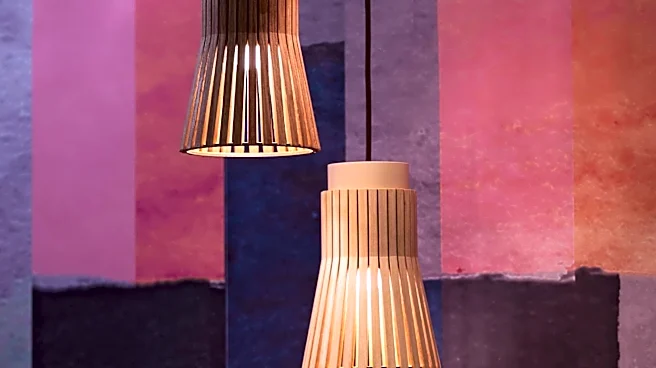
Statement lighting, particularly wooden pendant lights, is gaining prominence as a key element in interior design, offering both aesthetic appeal and functional illumination. These fixtures, crafted primarily from wood, are designed to serve as focal
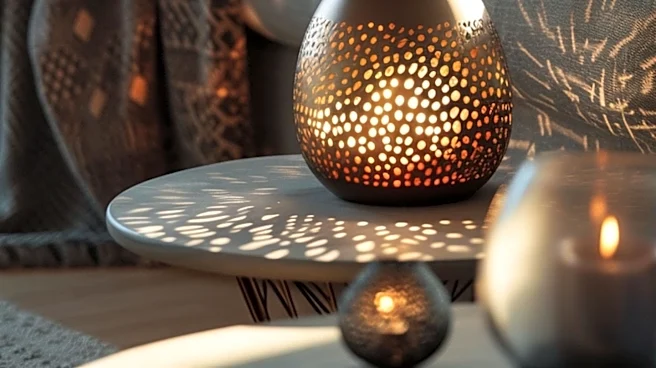
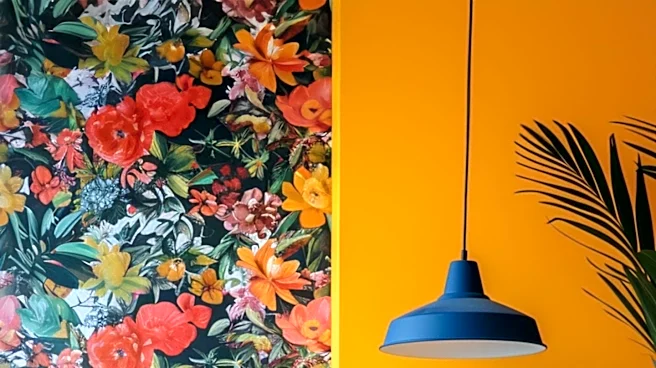
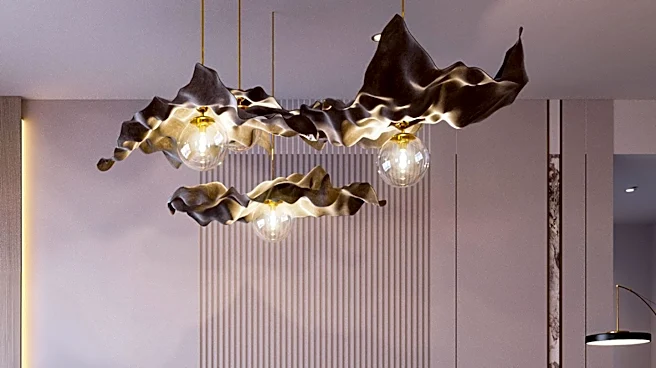
points in living and dining rooms, complementing various interior styles such as rustic, contemporary, industrial, and minimalist. The selection of an appropriately sized pendant light is crucial, with a general guideline suggesting a diameter 1 to 3 feet smaller than the table or surface it hangs above. Beyond wooden designs, innovative approaches to statement lighting are emerging, focusing on width, geometry, and material interaction rather than solely vertical scale. Castro Lighting's Breeze Suspension, for instance, utilizes brass and glass to create dynamic reflections and shadows, demonstrating that impact can be achieved through proportion and material interplay, especially in spaces with limited ceiling height. This shift reflects a broader trend in contemporary interiors towards more modest proportions in apartments and urban residences.
Why It's Important?
The evolution of statement lighting signifies a growing recognition of lighting as an art form and a critical component of interior aesthetics, moving beyond mere functionality. This trend impacts the design and manufacturing industries by driving demand for innovative materials and designs that cater to diverse architectural needs, including spaces with lower ceiling heights. For consumers, it offers enhanced opportunities to personalize their living environments and create specific moods and atmospheres through lighting. The emphasis on natural materials like wood also aligns with broader trends in sustainability and biophilic design, potentially influencing material sourcing and production practices. Furthermore, the integration of advanced design principles, such as layered lighting techniques and the strategic use of materials like brass and glass, elevates the perceived value and complexity of lighting fixtures, pushing manufacturers to innovate and differentiate their products in a competitive market.
What's Next?
The trend towards statement lighting is expected to continue evolving, with a focus on customization, smart technology integration, and sustainable materials. Manufacturers will likely explore new combinations of materials and advanced fabrication techniques to create unique and impactful designs that cater to specific spatial requirements. The demand for lighting solutions that can adapt to various interior styles and provide both ambient and task lighting will drive further innovation in fixture design and control systems. Additionally, as urban living spaces continue to trend smaller, there will be an ongoing emphasis on lighting solutions that maximize visual impact without overwhelming limited vertical space. Designers and consumers can anticipate a wider array of options that blend artistic expression with practical illumination, further solidifying lighting's role as a central element in modern interior design.
Beyond the Headlines
The shift in statement lighting design reflects deeper societal and architectural changes, particularly the increasing urbanization and the resulting demand for efficient and aesthetically pleasing solutions for smaller living spaces. This trend highlights a broader cultural appreciation for craftsmanship and thoughtful design in everyday objects. The move away from purely vertical grandeur in chandeliers towards more horizontally expansive or geometrically intricate designs suggests a redefinition of luxury and impact in interior decor, where subtlety and material intelligence can be as powerful as overt opulence. This also underscores the psychological impact of lighting on well-being and productivity, as designers increasingly consider how light interacts with space to create specific emotional responses and functional benefits. The emphasis on natural materials like wood also taps into a desire for connection with nature within urban environments, contributing to a sense of warmth and comfort.