


What's Happening?
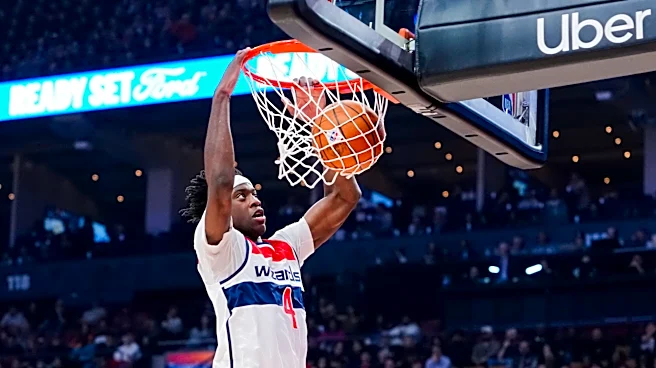
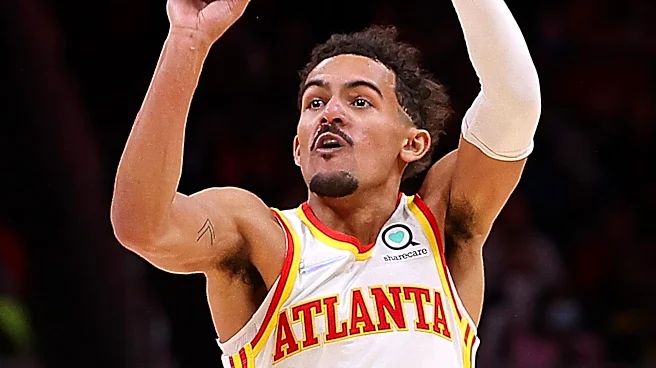
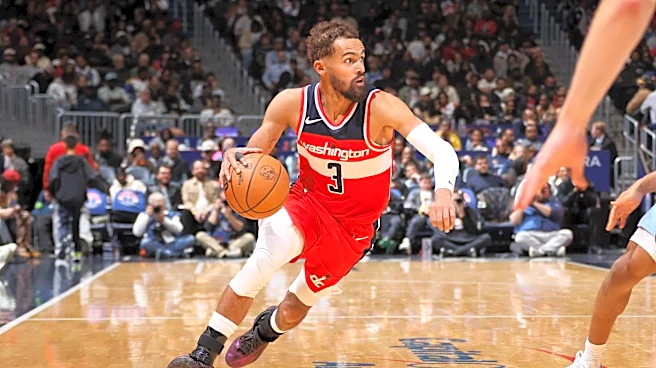
Sports analyst Bill Simmons has strongly criticized the Washington Wizards' decision to re-sign Trae Young to a four-year, $212 million deal earlier this year. Young was traded to the Wizards in January 2026 and subsequently declined a $48.97 million option
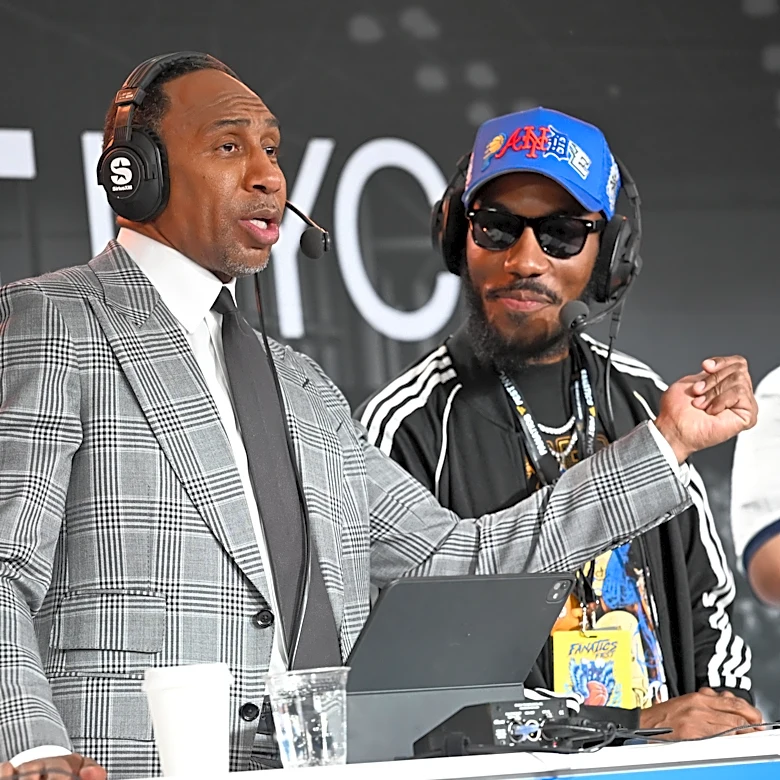
to become a free agent before rejoining the team. Simmons, speaking on The Bill Simmons Podcast, described the extension as 'appalling and reprehensible,' questioning the rationale behind the significant contract given Young's current performance. Young is averaging 17.5 points per game this season, ranking 52nd in the NBA, and his field-goal percentage of 37.1 is among the lowest in the league. Other analysts, including Tim MacMahon, have also labeled Young's contract as one of the worst in the league.
Why It's Important?
The criticism from prominent sports figures like Bill Simmons highlights significant concerns about the Washington Wizards' roster management and financial decisions. A large contract for an underperforming player can severely impact a team's salary cap flexibility, limiting their ability to acquire other talent and build a competitive roster. This situation could lead to long-term struggles for the Wizards, affecting their on-court performance and fan engagement. The perception of a 'bad contract' can also deter potential free agents from joining the team, further complicating their rebuilding efforts. The financial implications of such a deal can have lasting consequences on the franchise's competitiveness and overall value.
What's Next?
The Washington Wizards face a challenging period as they navigate the remainder of the season with Trae Young's substantial contract. The team will likely continue to evaluate Young's performance and explore potential strategies to improve their on-court results. This could involve coaching adjustments, player development initiatives, or, in the longer term, considering trade options, although Simmons suggested that Young's current value makes trading him difficult without taking on another team's problematic contract. The Wizards' management will be under pressure to demonstrate a clear path forward to improve the team's standing and justify their significant investment in Young.
Beyond the Headlines
The situation with Trae Young and the Washington Wizards brings to light broader issues within professional sports regarding player valuations and contract negotiations. The pressure to retain star players, even when their performance may be declining, can lead to financially risky decisions for franchises. This scenario also underscores the subjective nature of player evaluation and the potential for long-term contracts to become liabilities if a player's performance does not meet expectations. The ethical implications of such large contracts, especially when a player's output is not commensurate with their salary, can also spark debate among fans and analysts about fairness and accountability in sports economics.