





What's Happening?
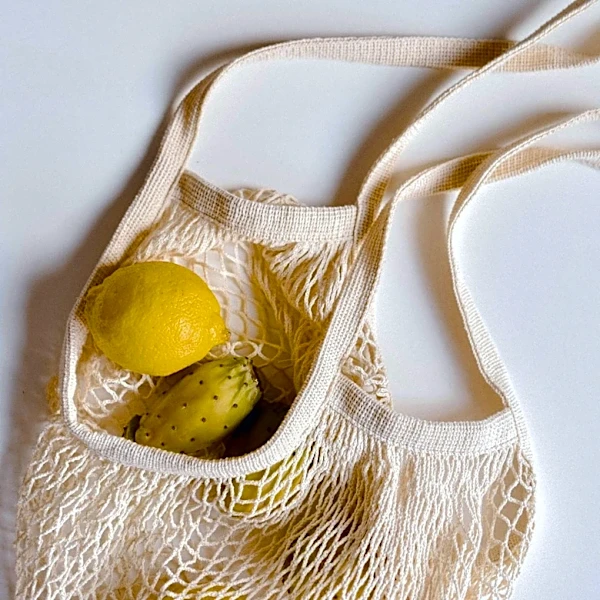
The environmental benefit of reusable plastic items over single-use plastics is contingent on consistent and repeated use, according to an analysis. While reusable items often have a larger upfront environmental footprint due to more polymer and manufacturing
energy, this impact is only offset if the item is used enough times to prevent the production of multiple single-use alternatives. A 2024 life-cycle assessment found that a reusable takeaway container needed at least six uses to outperform a single-use container in terms of global-warming potential. Factors like packability, ease of cleaning, and access to refill stations significantly influence how often a reusable item is actually used. The analysis emphasizes that user habits, durability, and maintenance are critical in determining whether a reusable item truly becomes greener.
Why It's Important?
This insight is crucial for U.S. consumers, businesses, and policymakers engaged in sustainability efforts. It clarifies that simply purchasing a reusable item does not guarantee environmental benefit; the key lies in its integration into daily routines. For consumers, it underscores the responsibility of consistent use and proper care. For businesses, it highlights the importance of designing reusable products that are not only durable but also convenient and easy to maintain, thereby encouraging frequent use. Policymakers need to consider infrastructure for refills, cleaning, and end-of-life disposal to maximize the environmental efficacy of reusable systems. This understanding can prevent 'greenwashing' and ensure that sustainability initiatives genuinely reduce environmental impact rather than just shifting it.
What's Next?
Moving forward, there will likely be an increased focus on promoting user habits that support the long-term use of reusable items. This could involve educational campaigns for consumers on how to effectively integrate reusables into their routines, as well as clearer guidance on cleaning and maintenance. Businesses may invest more in product design that prioritizes convenience, durability, and ease of cleaning, such as collapsible bottles or dishwasher-safe containers. Furthermore, the development of robust refill and return systems, particularly in urban and travel contexts, will be critical. The emphasis will shift from merely offering reusable options to ensuring they are practically and consistently used to achieve their intended environmental benefits.
Beyond the Headlines
Beyond the quantifiable environmental impact, this analysis touches upon the psychological and behavioral aspects of sustainability. It reveals that human habits and convenience play a significant role in the success or failure of eco-friendly initiatives. The 'boring repetition' of using and cleaning a reusable item is often overlooked but is fundamental to its environmental value. This perspective challenges the notion that technological solutions alone can solve environmental problems, emphasizing the need for behavioral change and a deeper commitment from individuals. It also raises questions about consumer culture, where the novelty of a new eco-friendly product might overshadow the long-term discipline required for true sustainability, suggesting a need for a more mindful and less consumption-driven approach to environmentalism.