




What's Happening?
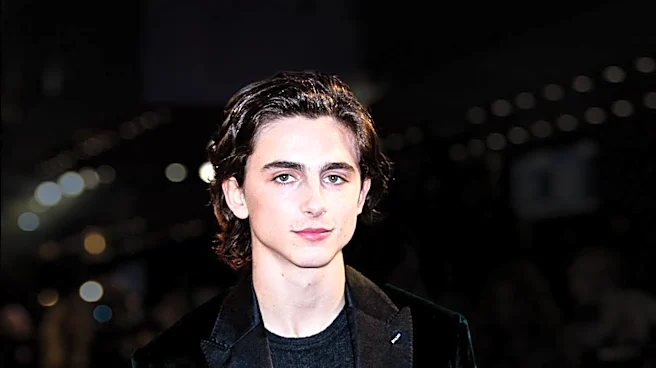
A viral image circulating on X (formerly Twitter) depicted actors Timothée Chalamet and Zendaya kissing on a red carpet, with claims that it occurred at the 'Dune: Part Three' premiere and that Zendaya described it as a 'scene scripted kiss.' This image gained
significant traction, accumulating over 4.2 million views within hours and sparking numerous reactions, including memes referencing Zendaya's partner, Tom Holland. The post, shared by an X user named @t_al0n, suggested a real-life romantic moment between the co-stars. However, a fact-check revealed that the claim is false. The account @t_al0n explicitly identifies itself as a 'satirical celebrity gossip account' in its bio. Furthermore, 'Dune: Part Three' has not yet held its red carpet premiere, and no reports confirm such an event around the date the post was made (October 27, 2026). The images used in the viral post are actually from the Venice Film Festival premiere of the first 'Dune' film on September 3, 2021, where Chalamet and Zendaya posed closely but did not kiss. The post appears to have fabricated the 'scene scripted kiss' quote to lend credibility to the false claim.
Why It's Important?
This incident highlights the pervasive issue of misinformation and the rapid spread of fabricated content on social media platforms. The quick virality of the image and the subsequent reactions, including discussions about Zendaya's real-life relationship, demonstrate how easily false narratives can be created and consumed by the public. For the entertainment industry, such hoaxes can lead to unnecessary speculation about actors' personal lives, potentially impacting their public image and professional relationships. It also underscores the challenge for news consumers to discern credible information from satirical or misleading content, especially when posts are designed to appear authentic. The reliance on satirical accounts for 'news' can erode trust in legitimate reporting and create a distorted perception of reality for fans and the general public. This event serves as a reminder of the critical need for media literacy and fact-checking in the digital age.
What's Next?
As 'Dune: Part Three' approaches its scheduled release on December 18, 2026, with an IMAX release planned, it is likely that promotional activities, including actual red carpet premieres, will commence. During these events, there will be increased scrutiny and media attention on the interactions between Timothée Chalamet and Zendaya. The public and media outlets will need to remain vigilant against further attempts to spread misinformation or misinterpret their professional interactions. Social media platforms may face continued pressure to implement more robust mechanisms for identifying and flagging satirical or false content to prevent similar incidents. Fans and the public are encouraged to rely on official sources and reputable news organizations for information regarding the film and its cast, rather than unverified social media posts. The film's marketing teams may also need to be prepared to address or preemptively counter any recurring false narratives.
Beyond the Headlines
The viral 'Dune: Part Three' kissing hoax touches upon broader implications concerning celebrity culture, parasocial relationships, and the evolving landscape of digital communication. The intense interest in the personal lives of actors like Chalamet and Zendaya, often fueled by their on-screen chemistry, creates a fertile ground for speculative and fabricated stories. Fans, deeply invested in their favorite stars, can sometimes blur the lines between fictional roles and real-life relationships, making them susceptible to content that plays into these desires. The use of satirical accounts, while intended for humor, can inadvertently contribute to the spread of misinformation when their content is taken out of context or shared without critical evaluation. This incident also reflects a growing trend where the boundaries between entertainment news, gossip, and outright fabrication are increasingly blurred, posing a challenge to maintaining journalistic integrity and public trust in information sources. It highlights the ethical responsibility of content creators and consumers alike in navigating the complex digital information ecosystem.