






What's Happening?
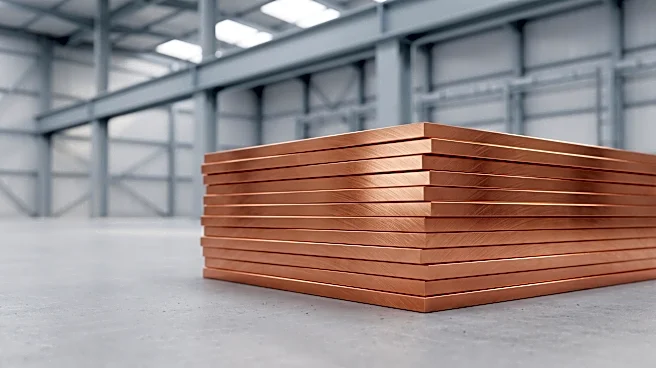
Michael Burry, the investor renowned for foreseeing the subprime mortgage crisis, has disclosed an investment in Ero Copper, a Canadian-based mining company with copper and gold operations in Brazil. Burry characterizes this move as an indirect wager
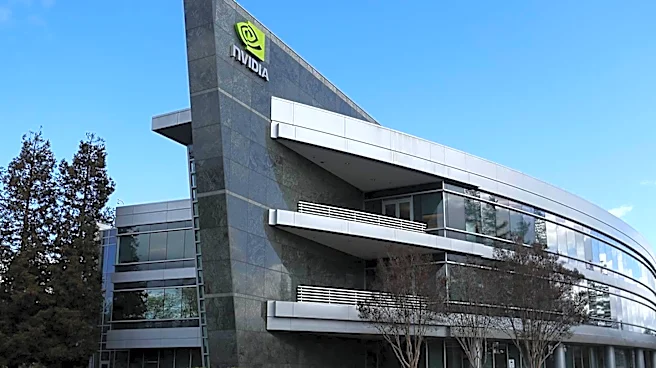
on the escalating demand for copper driven by artificial intelligence (AI) technologies. This investment marks a shift for Burry, who previously held contrarian positions against AI, including significant short positions in NVIDIA and Palantir. His investment thesis is rooted in an anticipated imbalance between the supply and demand of industrial metals like copper in the coming years. He cites analysis from Apollo Global Management Chief Economist Torsten Slok, who highlighted a sharp decline in new copper discoveries, with none projected for 2025. Ero Copper, identified by Burry as a higher-cost producer, is expected to benefit from improved margins if copper prices remain elevated. The company anticipates producing between 67,500 and 77,500 tonnes of copper this year, and its share price saw an almost 8% increase following Burry's disclosure, contributing to a nearly 30% rise year-to-date.
Why It's Important?
This investment by a prominent and often contrarian investor like Michael Burry signals a potentially significant trend in the commodities market, particularly concerning the future of AI infrastructure. The increasing demand for copper, a critical component in AI technologies and data centers, could lead to sustained price increases for the metal. This has broad implications for U.S. industries reliant on copper, from electronics manufacturing to construction. Companies involved in copper mining and processing, both domestically and internationally, could see substantial gains. Conversely, industries that heavily consume copper might face higher input costs, potentially impacting their profitability and consumer prices. Burry's bet underscores a growing recognition among investors that the physical infrastructure supporting the digital economy, especially AI, will require vast amounts of raw materials, creating new investment opportunities and supply chain challenges. The scarcity of new copper discoveries, as highlighted by Apollo Global Management, suggests that this supply-demand imbalance could persist, making existing producers like Ero Copper more valuable.
What's Next?
The market will likely closely monitor copper prices and the performance of copper mining companies, especially Ero Copper, to validate Burry's investment thesis. Other investors may follow suit, increasing capital flow into the copper sector. Companies in the AI and technology sectors will need to strategize around securing stable and affordable copper supplies to support their expansion. This could lead to increased investment in exploration and development of new copper mines, as well as advancements in recycling technologies to mitigate supply constraints. Regulatory bodies might also begin to examine the environmental and geopolitical implications of increased mining activity. Furthermore, the broader commodities market could see a ripple effect, with other industrial metals essential for advanced technologies experiencing similar demand-driven price pressures. The long-term impact on global supply chains and the cost of AI development will be a key area of observation.
Beyond the Headlines
Burry's investment in copper, framed as an 'indirect bet on AI,' highlights a deeper economic reality: the digital revolution, particularly the rise of AI, is not purely virtual. It has profound physical requirements, demanding vast quantities of raw materials and energy. This challenges the perception that the 'new economy' is decoupled from traditional industrial sectors. The ethical implications of increased mining, including environmental impact and labor practices in resource-rich regions, could become more prominent. Furthermore, the strategic importance of critical minerals like copper could intensify geopolitical competition, as nations vie for control over essential resources. This shift could also accelerate innovation in material science, pushing for the development of more efficient materials or alternative technologies that reduce reliance on scarce resources. The long-term sustainability of AI's growth will depend not only on technological advancements but also on the responsible and efficient management of the physical resources it consumes.