






What's Happening?
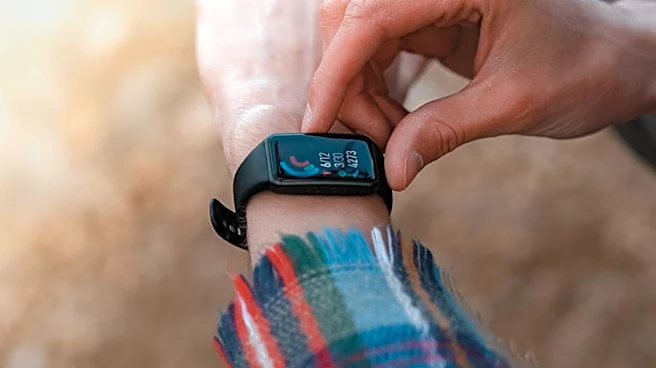
Modern smartwatches are transitioning from simple fitness trackers to sophisticated health and connectivity devices, according to Joybuy. These devices now offer detailed metrics for various disciplines, precise heart rate monitoring, and blood oxygen
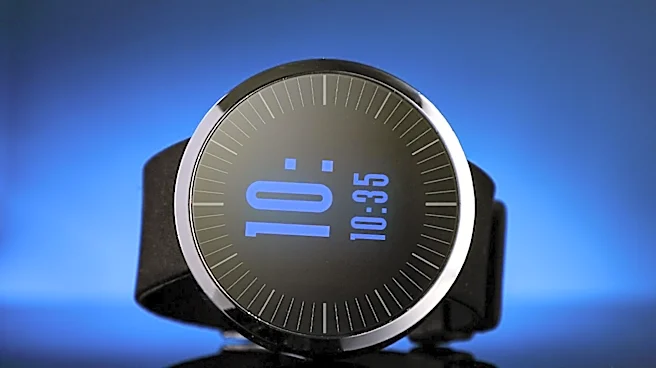
saturation (SpO2) analysis. Key features to consider when choosing a smartwatch include battery life, connectivity options, and specific sport and health functionalities. For instance, models like the JOYROOM Fit-Life JR-FT3 Pro provide basic fitness tracking and Bluetooth calling, while the QCY Watch GT2 boasts an AMOLED display and over 100 sport modes. High-end models such as the Amazfit Balance 2 cater to demanding athletes with dual-band GPS, offline maps, and military-grade durability. The market offers a wide range of options, from budget-friendly entry-level devices to advanced professional sports watches, each designed to meet different user needs and preferences.
Why It's Important?
The evolution of smartwatches signifies a broader trend in consumer technology towards integrated health and lifestyle management. For U.S. consumers, this means access to more comprehensive tools for personal well-being and convenience. The increasing sophistication of these devices can empower individuals to monitor their health more proactively, potentially leading to earlier detection of health issues or more effective fitness routines. The integration of advanced connectivity features, such as direct calling and GPS, also enhances personal safety and communication, particularly for outdoor enthusiasts or those who prefer to leave their smartphones behind. This market growth also drives innovation among manufacturers, fostering competition that can lead to more affordable and feature-rich products, benefiting a wider demographic of users across the U.S.
What's Next?
The smartwatch market is expected to continue its rapid innovation, with future developments likely focusing on even more advanced health sensors, longer battery life, and seamless integration with other smart home and personal devices. Manufacturers will likely explore non-invasive glucose monitoring, continuous blood pressure tracking, and enhanced AI-driven health insights. The emphasis on durability and water resistance will also likely increase, making these devices suitable for a broader range of activities and environments. Furthermore, the expansion of crowdsourced finding networks, similar to those used by Bluetooth trackers, could be integrated into smartwatches, offering improved location tracking capabilities for lost devices. The ongoing competition among tech giants will likely result in more specialized models catering to niche markets, from extreme sports enthusiasts to individuals with specific health monitoring needs.
Beyond the Headlines
The increasing reliance on smartwatches for health data raises important questions about data privacy and security. As these devices collect sensitive personal health information, the ethical implications of how this data is stored, shared, and utilized become paramount. There's a growing need for robust regulations and transparent policies to protect user data from potential misuse or breaches. Moreover, the proliferation of advanced health tracking features could lead to a societal shift in how individuals perceive and manage their health, potentially fostering a more data-driven approach to wellness. However, it also highlights the importance of distinguishing between consumer-grade health data and professional medical advice, as these devices provide reference points rather than definitive medical diagnoses. The long-term impact on healthcare systems, insurance models, and personal responsibility for health management remains a significant area for future consideration.