
What's Happening?
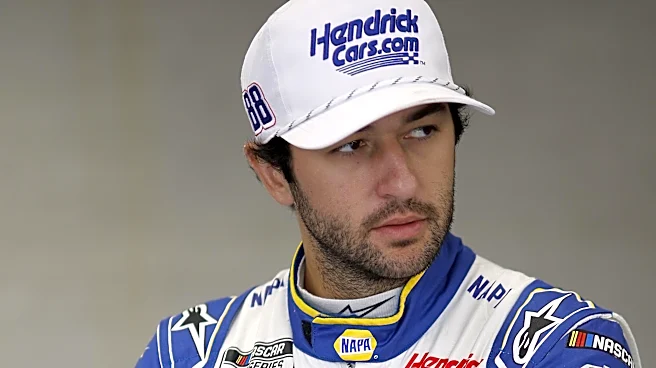
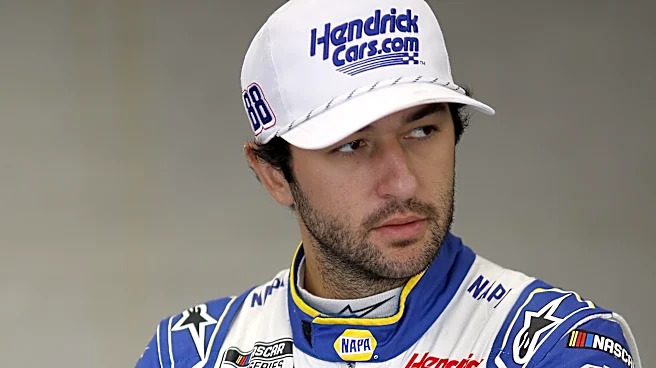
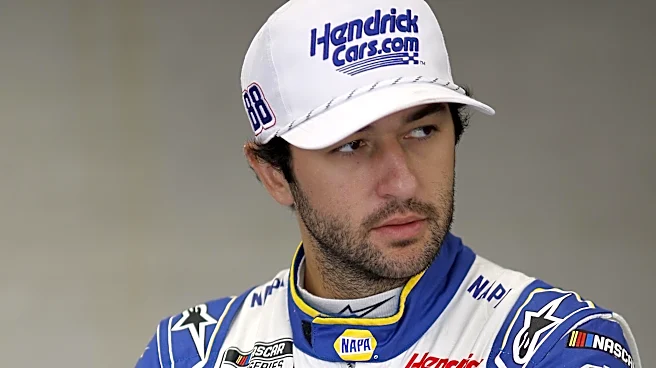
NASCAR driver Chase Elliott has described the highs and lows of his 2026 season as a 'necessary evil,' emphasizing the importance of taking such experiences in stride. Despite starting strong with early
wins at Martinsville and Texas, placing him third in the standings after 11 races, Elliott's performance declined significantly. He experienced crashes at the Coca-Cola 600 and Brickyard 400, finishing 37th in both. Entering the Chase as the eighth seed, a brake failure at Gateway ended his race, and he led only one lap across the 10 Chase races. Elliott concluded the season 12th in the final standings, marking his fewest top-10 finishes in his full-time career. The season finale at Homestead also brought frustration due to a pit-road pileup that his team attributed to Ryan Blaney's entry. Changes are now underway for Elliott's No. 9 team, with car chief Matt Barndt departing for a new role in the Truck Series for 2027.
Why It's Important?
Chase Elliott's reflections highlight the intense pressures and volatile nature of professional NASCAR racing, even for a former Cup champion. His season trajectory, from early success to a significant drop-off, underscores how quickly fortunes can change due to mechanical issues, on-track incidents, and team dynamics. The departure of car chief Matt Barndt from the No. 9 team signals potential shifts in strategy and personnel for Elliott's upcoming 2027 season. Such changes can significantly impact a driver's performance and team cohesion, making the upcoming season a critical one for Elliott as he aims to regain his championship-winning form. The team's struggles, alongside those of Hendrick Motorsports with their updated Chevrolet body, also point to broader competitive challenges within the NASCAR Cup Series, affecting not just individual drivers but entire organizations.
What's Next?
With car chief Matt Barndt's departure, the No. 9 team will undergo adjustments ahead of the 2027 season. While crew chief Alan Gustafson, who has been with Elliott since his first full-time Cup season in 2016 and for all 23 of his Cup wins, remains, the team will need to integrate new personnel. Elliott will be entering his 12th full-time year in NASCAR's top series, and the focus will be on how these team changes, combined with potential manufacturer adjustments, will influence his performance. The upcoming season will be crucial for Elliott to demonstrate resilience and adapt to new team dynamics, aiming to contend for his second Cup championship after his 2020 victory. The performance of Hendrick Motorsports as a whole, particularly with their Chevrolet body, will also be under scrutiny.
Beyond the Headlines
Elliott's candid remarks about the 'necessary evil' of navigating a long season's highs and lows offer insight into the psychological demands placed on elite athletes. His experience reflects a broader theme in professional sports where sustained success requires not just physical skill but also significant mental fortitude and adaptability. The internal team changes, such as Barndt's departure, can have ripple effects beyond immediate performance, potentially altering team chemistry and operational efficiency. This situation also subtly highlights the constant evolution within NASCAR teams, where personnel movements are common and can be pivotal for future success. The ongoing pursuit of a second championship for Elliott underscores the relentless competitive drive that defines top-tier racing careers.