






What's Happening?
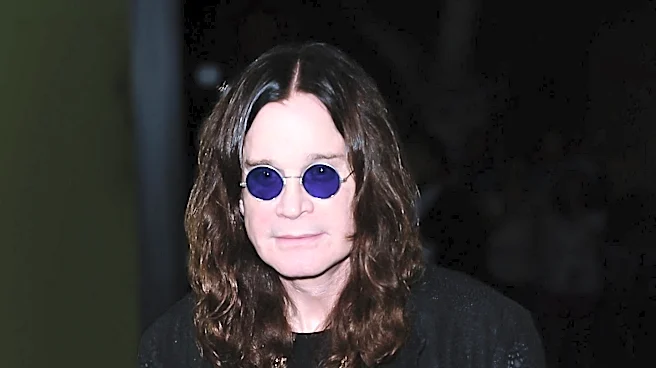
Kelly Osbourne has publicly criticized Dee Snider, the frontman of Twisted Sister, following his claims that her father, Ozzy Osbourne, did not consistently write his own songs. Snider asserted on X that Ozzy 'always had bass players write his lyrics,'
specifically mentioning Bob Daisley and Motörhead frontman Lemmy Kilmister, and stating that Geezer Butler wrote 'ALL of @BlackSabbath lyrics.' Kelly Osbourne responded sharply on her Instagram Stories, calling Snider's comments 'spectacularly classless.' She defended her father's legacy as a musician, songwriter, singer, and bandleader, emphasizing his nearly six-decade career and enduring influence. Kelly argued that Snider's criticism was an attempt to gain attention and that Ozzy's accomplishments stand independently. Snider later clarified his remarks on X, stating he has 'nothing but love for Ozzy' and that his comments stemmed from a songwriter's sensitivity about credit and royalties.
Why It's Important?
This public dispute highlights the ongoing debate within the music industry regarding songwriting credits and the legacy of iconic artists. For fans and critics, the discussion around who penned the lyrics for legendary songs can significantly impact an artist's perceived creative contribution and historical standing. Kelly Osbourne's swift and strong defense underscores the protective role family members often play in safeguarding a celebrity's reputation, especially after their passing. The incident also demonstrates the power of social media platforms like X and Instagram as arenas for public figures to engage in direct, often heated, exchanges, shaping public perception in real-time. The clarification from Snider suggests the complexities of such discussions, where intent can be misinterpreted and historical facts are often subject to differing interpretations.
What's Next?
The immediate public discussion surrounding Ozzy Osbourne's songwriting credits and Dee Snider's comments may continue to unfold on social media and in music forums. While Snider has offered a clarification, the initial remarks have reignited conversations among fans and music historians about the collaborative nature of songwriting in rock and metal. This event could prompt further scrutiny of songwriting credits for other prominent artists, potentially leading to more detailed analyses or discussions within the music industry. For Kelly Osbourne, her vocal defense reinforces her role as a guardian of her father's legacy, and she may continue to speak out on matters concerning his artistic contributions.
Beyond the Headlines
This incident delves into the deeper complexities of artistic ownership and collaboration in the music industry, particularly for bands where multiple members contribute to the creative process. The concept of a 'frontman' often overshadows the contributions of other band members, leading to historical debates over who deserves credit for lyrics, melodies, and arrangements. The dispute also touches upon the emotional and financial implications of songwriting credits, which can determine royalties and long-term legacy. Furthermore, it illustrates how the children of famous artists often inherit the responsibility of defending their parents' legacies, navigating public scrutiny and historical narratives. The use of social media as a battleground for these discussions reflects a modern shift in how public figures address controversies, often bypassing traditional media outlets.