


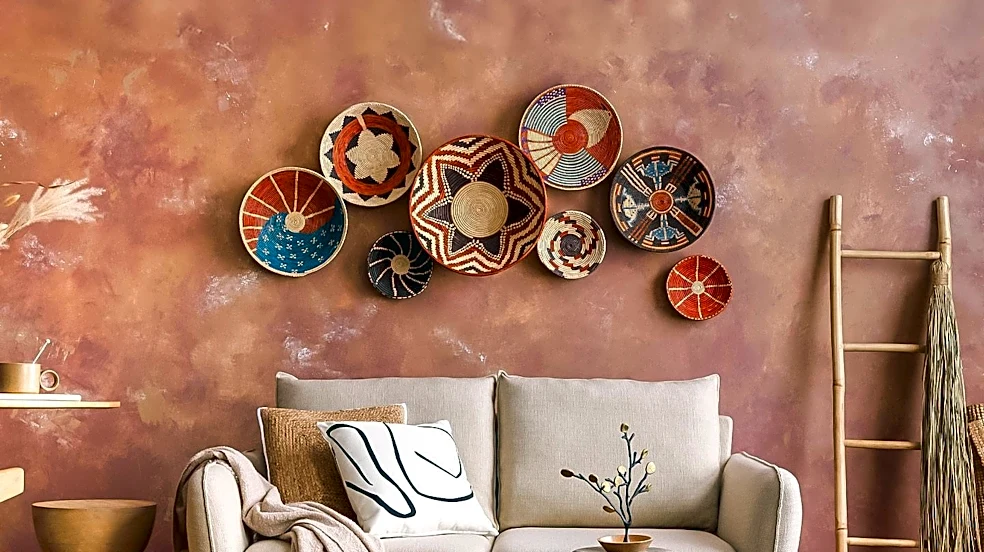
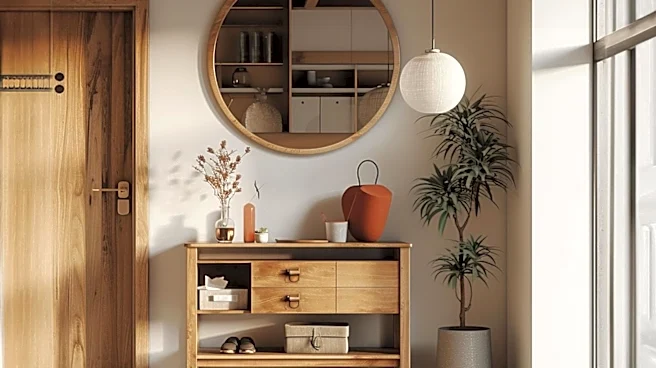


What's Happening?
Japandi style, a fusion of Japanese and Scandinavian design principles, is gaining prominence in interior decor. This aesthetic emphasizes natural wood, muted earthy tones, and a relaxed atmosphere. It combines the Japanese concept of wabi-sabi, which
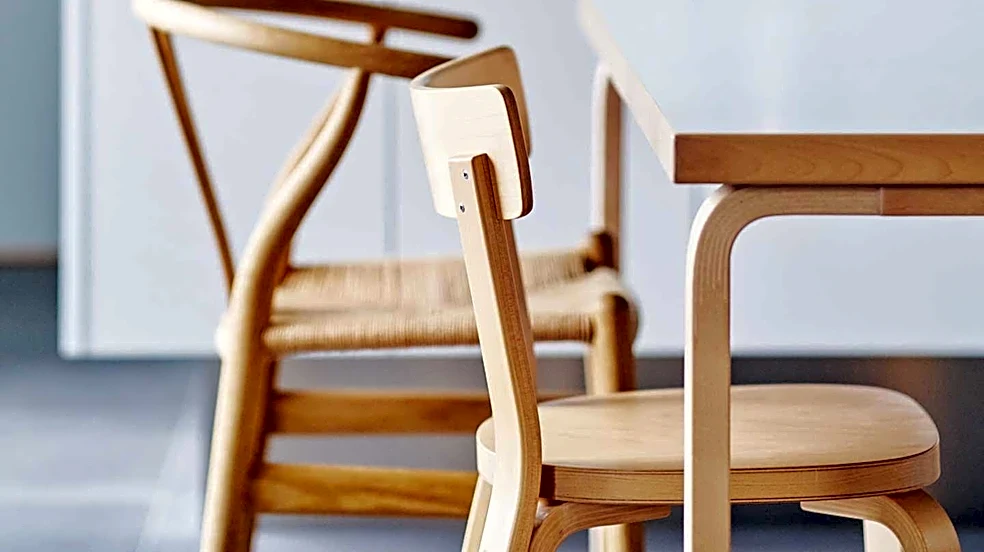
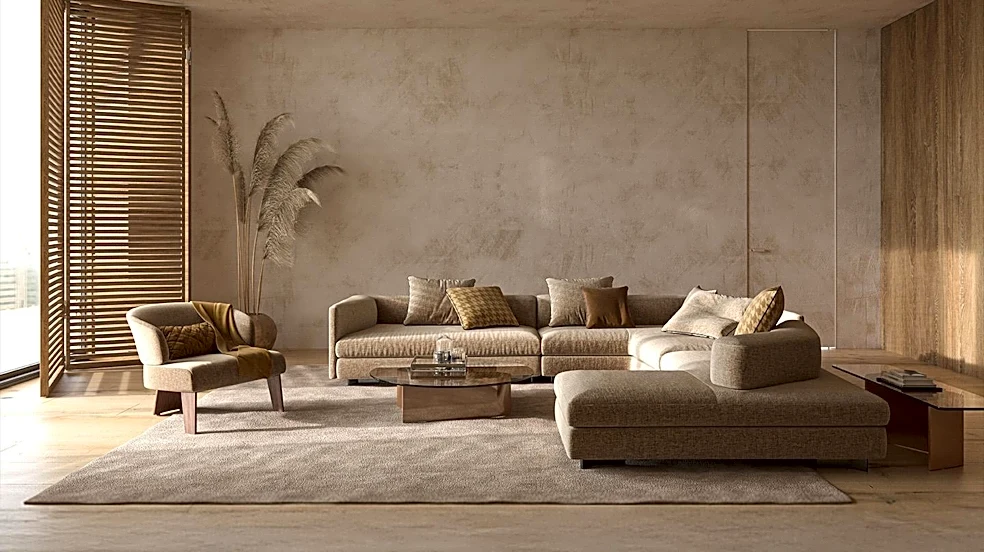
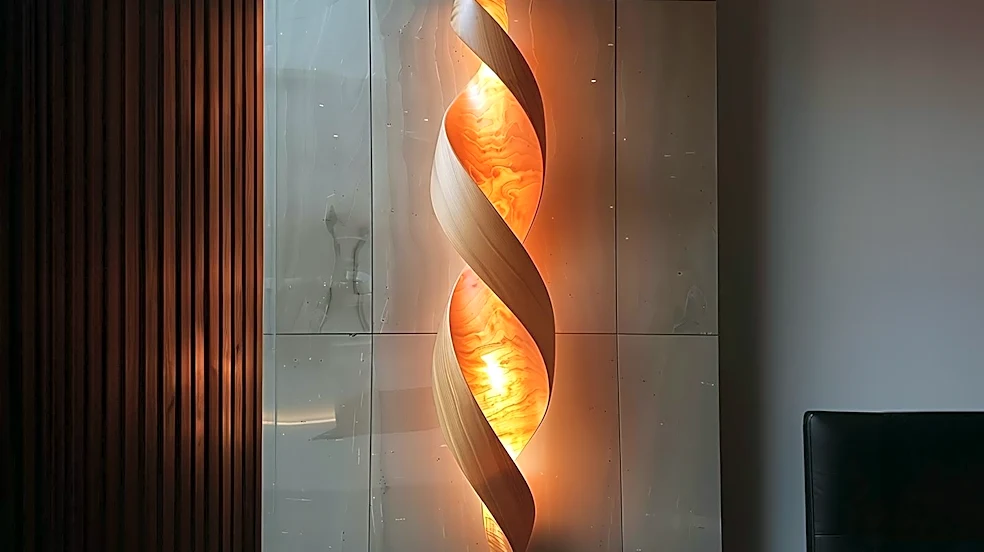
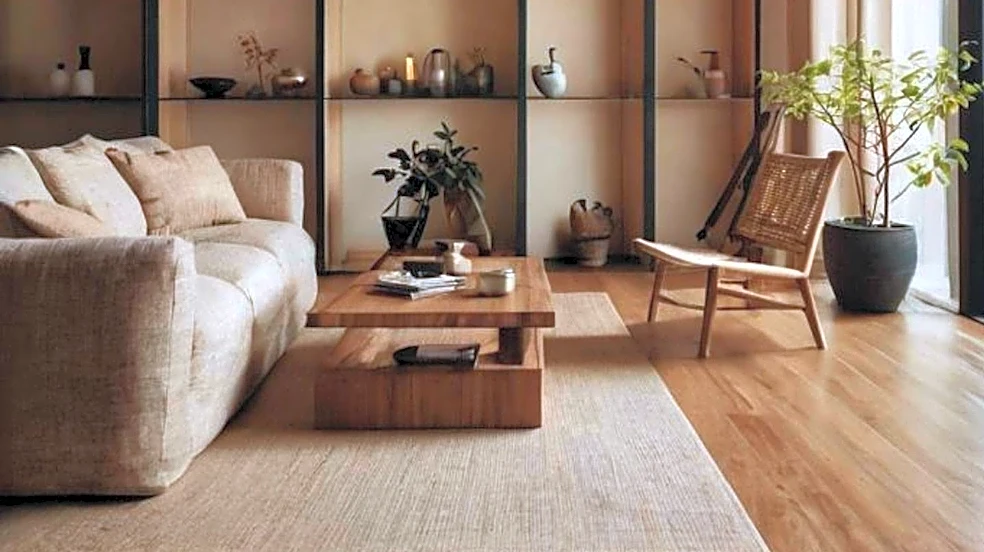
values imperfection and natural materials, with Nordic functionality and simplicity. Key elements include low furniture, both pale and dark natural wood, handmade ceramics, paper and linen accents, and deliberate empty spaces. The color palette typically features warm off-white, oatmeal, charcoal, clay, and moss, avoiding saturated hues. This design approach prioritizes craftsmanship and natural textures over vibrant colors or patterns, creating a serene and balanced environment. It is often characterized by signature pieces such as low wooden furniture, ceramics with visible irregularities, woven floor mats, and minimal plant arrangements.
Why It's Important?
The rise of Japandi style reflects a broader societal shift towards mindfulness, sustainability, and a desire for tranquil living spaces. In an increasingly fast-paced world, this design trend offers a sanctuary, promoting a sense of calm and simplicity that can positively impact mental well-being. For the U.S. interior design and furniture industries, this trend signifies a growing market for natural materials, handcrafted items, and minimalist aesthetics. Businesses that adapt to this demand by offering Japandi-inspired furniture, textiles, and decor can tap into a significant consumer base seeking durable, aesthetically pleasing, and environmentally conscious products. It also encourages a move away from mass-produced, disposable items towards more thoughtful and lasting purchases, potentially influencing consumer spending habits and manufacturing practices in the long term.
What's Next?
As Japandi style continues to gain traction, we can anticipate an increased availability of related products in U.S. retail markets, from furniture stores to home decor boutiques. Designers and architects are likely to incorporate these principles into residential and commercial projects, further popularizing the aesthetic. There may also be a rise in workshops and educational content focused on DIY Japandi decor, encouraging consumers to embrace craftsmanship and sustainable practices. The style's emphasis on natural materials and longevity could also influence supply chains, leading to a greater demand for ethically sourced wood, linen, and ceramic products. Furthermore, as consumers become more discerning about the origins and environmental impact of their purchases, brands that align with Japandi's core values of simplicity and natural beauty are likely to thrive.
Beyond the Headlines
Beyond its aesthetic appeal, Japandi style embodies a philosophical approach to living that challenges conventional consumerism. By valuing imperfection (wabi-sabi) and functionality, it encourages a more mindful consumption pattern, where quality and longevity are prioritized over quantity and fleeting trends. This could lead to a deeper appreciation for artisanal crafts and local production, fostering economic growth in smaller, specialized businesses. Culturally, it represents a harmonious blend of Eastern and Western design philosophies, promoting cross-cultural understanding and appreciation. The emphasis on decluttering and creating deliberate empty spaces can also have psychological benefits, reducing stress and promoting mental clarity. This trend is not just about decorating a space; it's about cultivating a lifestyle that values peace, balance, and a connection to nature.