



What's Happening?
Josephine Vaccarello, president of MSG Entertainment, highlighted the increasing prevalence of concert residencies, citing Harry Styles' 30-night takeover of Madison Square Garden as a prime example. According to Vaccarello, the summer of 2026 was the busiest
the Garden has ever experienced, hosting numerous artists. She believes the residency model will continue to expand, benefiting both artists and venues. Artists gain stability and creative freedom by staying in one location, while venues secure consistent bookings and generate significant buzz. Vaccarello noted that fans are increasingly seeking experiential moments in live music, willing to travel and spend on unique experiences.
Why It's Important?
The growing trend of concert residencies, as discussed by MSG Entertainment's president, signifies a major shift in the live music industry. This model offers artists a more sustainable touring schedule, reducing the physical toll of constant travel and allowing for more elaborate and consistent production. For venues like Madison Square Garden, residencies ensure long-term revenue streams and enhance their status as premier entertainment destinations. This approach also caters to a fan base that is increasingly willing to travel for unique, immersive experiences, boosting local economies through tourism, hospitality, and related services. However, it also means that fans in cities without these major venues might have to incur additional travel costs, potentially creating a disparity in access to live performances by top artists.
What's Next?
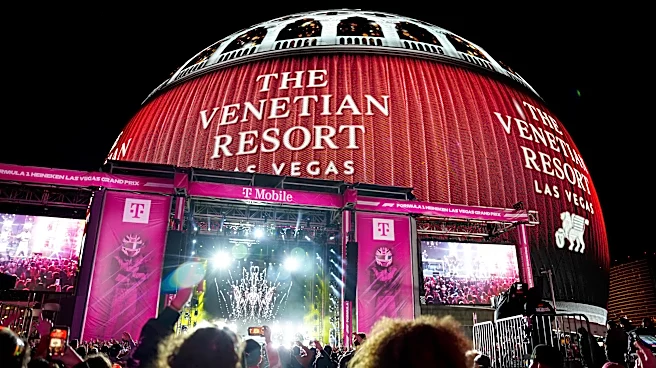
The residency model is projected to grow further, with venues like Sphere already booking events into 2029. This indicates a long-term commitment from the entertainment industry to this format. Vaccarello emphasized that artists can achieve greater creative depth and build stronger community connections with fans through residencies. The focus will likely be on enhancing the overall fan experience, both inside and outside the venue, with themed events, unique merchandise, and local partnerships. This trend suggests that future live music experiences will increasingly be destination-based, requiring fans to travel to specific locations for extended engagements, rather than artists undertaking traditional multi-city tours.
Beyond the Headlines
The shift towards experiential concert residencies reflects a broader cultural desire for immersive and memorable events, particularly in a post-pandemic world where people crave shared experiences. This trend extends beyond music to other forms of entertainment, such as comedy shows and podcasts, which are also increasingly adopting similar models. The emphasis on VIP and premium experiences, where fans are willing to spend more for exclusive access and unique moments, highlights a consumer preference for personalized and high-value interactions. This evolution in live entertainment could lead to a redefinition of what constitutes a 'tour,' with a greater focus on quality over quantity of locations, and a deeper integration of the performance into the broader cultural and economic fabric of the host city.