




What's Happening?
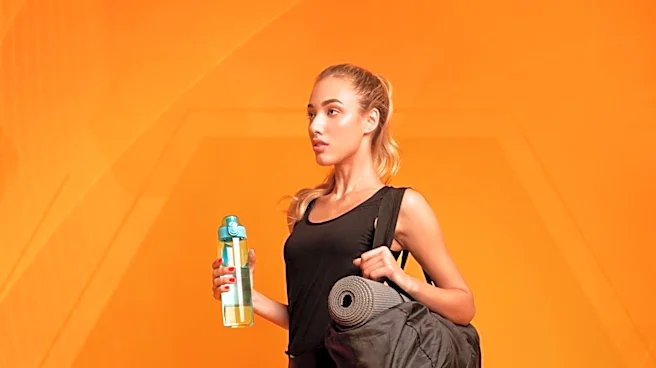
A growing number of Gen Z consumers in the U.S. are shifting their discretionary spending and social activities from traditional nightlife, such as bars and restaurants, to fitness-related pursuits. This trend involves swapping nights out for gym memberships,
workout classes, and wellness routines. According to a Bank of America report, gym-related spending among younger customers is increasing, while alcohol consumption is declining. Market intelligence firm Mintel also found that 30% of American Gen Z members are spending more on gym memberships and classes compared to a year ago. This shift is not solely driven by health concerns but also by the emergence of fitness spaces as new social scenes, where young adults build friendships and meet new people through activities like Pilates classes or run clubs. Social media, particularly platforms like Instagram and TikTok, has played a significant role in accelerating this trend by popularizing gym influencers, workout videos, and wellness content, making fitness a lifestyle choice and a community experience.
Why It's Important?
This change in Gen Z's spending and social habits has significant implications for various U.S. industries. The nightlife and hospitality sectors, including bars, restaurants, and entertainment venues, may experience a decline in patronage and revenue from this demographic. Conversely, the fitness and wellness industries, encompassing gyms, boutique fitness studios, and health-related services, are poised for growth and increased demand. This shift also highlights a broader cultural re-evaluation of what constitutes 'fun' and 'socializing' among younger generations, moving towards activities that align with personal well-being and self-improvement. Economically, while fitness memberships can be costly, they are often perceived by Gen Z as a worthwhile investment that replaces other discretionary spending, potentially leading to more mindful budgeting and a focus on long-term health benefits. Businesses that adapt to these evolving consumer preferences by offering wellness-focused social experiences or integrating fitness into their models may gain a competitive advantage.
What's Next?
The trend of Gen Z prioritizing wellness and fitness is expected to continue, potentially leading to further innovation within the fitness industry. We may see an increase in hybrid social-fitness venues, more community-focused workout programs, and a greater emphasis on mental well-being integrated into physical activities. Businesses in the hospitality sector might need to re-evaluate their offerings to attract this demographic, possibly by incorporating healthier options, wellness events, or alternative social experiences. Financial institutions and personal finance educators could also focus on advising young adults on budgeting for wellness activities, ensuring these expenses fit into a realistic financial plan alongside necessities. The influence of social media in shaping these trends is likely to persist, with new platforms and influencers continuing to promote wellness as a central aspect of lifestyle and community engagement.
Beyond the Headlines
Beyond the immediate economic and social shifts, this trend reflects a deeper cultural transformation in how younger generations define well-being and community. The emphasis on fitness as a social activity suggests a desire for more meaningful and health-conscious connections, moving away from environments often associated with excessive consumption. This could lead to a long-term societal shift towards a more health-aware culture, potentially influencing public health initiatives and urban planning to include more accessible and appealing fitness and wellness spaces. The 'room rotting' phenomenon, where rest and mental decompression are valued, further underscores a holistic approach to wellness that extends beyond physical activity, highlighting a generation grappling with mental health challenges and seeking balance in a fast-paced world. This could also influence workplace wellness programs and educational institutions to better support the comprehensive well-being of young adults.