






What's Happening?
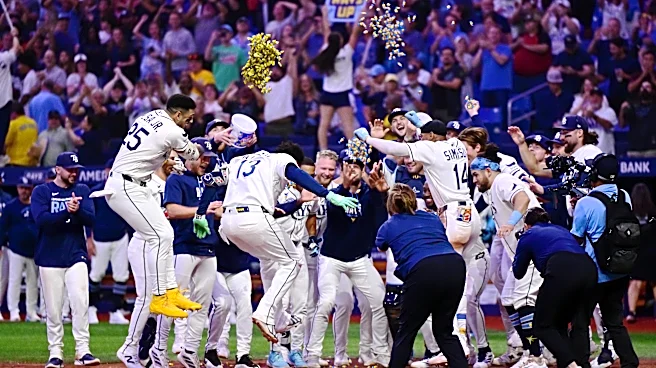
Diamond Baseball Holdings (DBH), a company backed by investment giant Silver Lake, has rapidly acquired 49 affiliated Minor League Baseball teams since its inception in late 2021. This aggressive acquisition pace means DBH now owns approximately 41% of
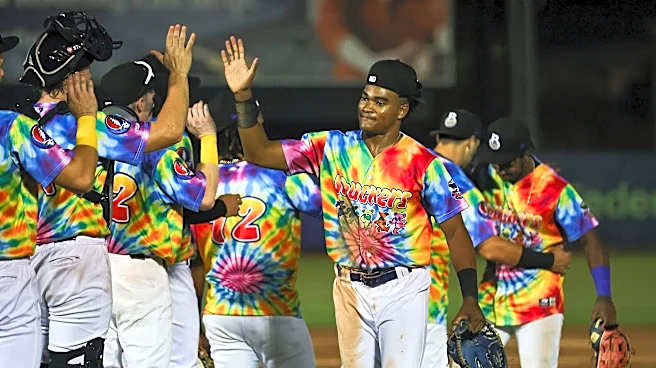
all affiliated MiLB teams. CEO Peter Freund stated that the company is interested in acquiring "any or all" of the remaining inventory, despite being just one team shy of the Major League Baseball (MLB) ownership limit of 50 affiliated clubs. The opportunity for such large-scale multi-team ownership arose after MLB reorganized the minor leagues in 2021, loosening previous restrictions. DBH's portfolio includes teams across various classifications, from Triple-A clubs like the Charlotte Knights to successful operations like the Dayton Dragons.
Why It's Important?
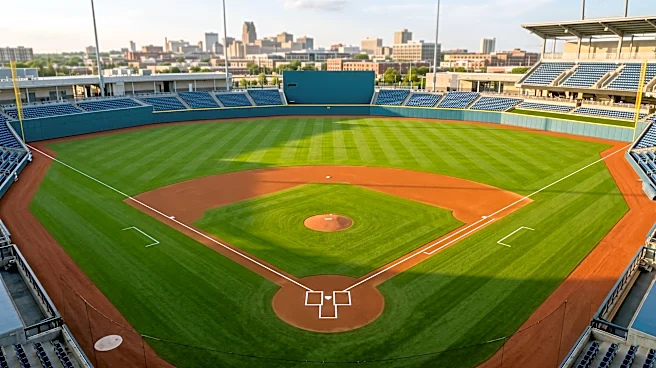
This consolidation of Minor League Baseball teams under a single entity like DBH, backed by Silver Lake, represents a significant shift from the traditional "mom-and-pop" ownership model. The strategy aims to centralize business operations such as sponsorships, merchandise, and ticketing, which were historically handled independently by local ownership groups. Furthermore, DBH is focused on developing the real estate surrounding ballparks to generate revenue year-round, moving beyond just game-day income. This approach could lead to more standardized fan experiences and potentially increased profitability across the minor leagues. However, it also raises questions about the future of local team identities and the potential for reduced diversity in ownership and operational approaches within MiLB. The rapid expansion highlights private equity's growing influence in sports, viewing sports assets as attractive long-term investments due to global brands, scarce ownership opportunities, and multiple revenue streams.
What's Next?
DBH is currently at 49 teams, leaving room for only one more acquisition under MLB's current limit of 50 affiliated clubs. The company has already reached its maximum of 14 Triple-A and 14 Double-A franchises by late 2025. Future expansion for DBH would depend on MLB potentially raising the ownership limit. The focus will likely shift to maximizing the value of its existing portfolio through centralized operations and real estate development around ballparks. This model, exemplified by developments like Atlanta's Battery, aims to transform facilities into year-round revenue generators. The success of DBH's strategy could influence how other sports leagues and teams approach ownership and asset management, potentially leading to further consolidation and private equity investment in sports.
Beyond the Headlines
The increasing involvement of private equity firms like Silver Lake in sports, particularly in minor leagues, signifies a broader trend of financialization in professional sports. This shift moves sports assets from being primarily community-based entities to sophisticated investment vehicles. While this can bring much-needed capital for facility upgrades and operational efficiencies, it also introduces a focus on maximizing returns that might sometimes conflict with traditional fan experiences or local community engagement. The emphasis on real estate development around ballparks, for instance, transforms sports venues into broader entertainment and commercial hubs, potentially altering the character of minor league baseball. This trend raises ethical considerations about the balance between commercial interests and the cultural significance of sports, and how these large-scale investments might impact ticket prices, player development, and the overall accessibility of the sport for fans.