




What's Happening?
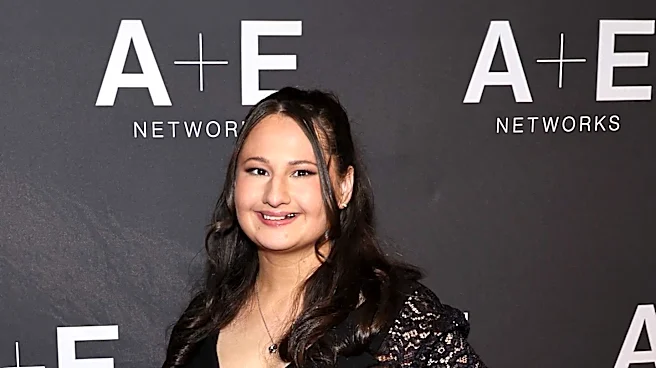
Wendy Williams has reached a settlement with A+E Networks regarding a lawsuit over the docuseries 'Where Is Wendy Williams?'. The series, which chronicled Williams' mental and physical health struggles, was produced without the consent of her court-appointed
guardian, Sabrina Morrissey. The lawsuit, filed in 2024, argued that Williams lacked the capacity to authorize her participation. A temporary restraining order was initially granted to block the series, but it was later reversed, allowing the documentary to air. The settlement terms remain confidential, and the agreement is pending approval by the guardianship court. The case has been complex, involving multiple parties, including Williams' ex-husband and her personal attorney.
Why It's Important?
This settlement highlights significant issues surrounding consent and exploitation in media productions, particularly involving individuals with compromised mental capacity. The case underscores the ethical and legal responsibilities of media companies to ensure informed consent, especially when dealing with vulnerable subjects. For the entertainment industry, this serves as a cautionary tale about the potential legal and reputational risks of producing content without proper authorization. It also raises awareness about the rights of individuals under guardianship and the importance of protecting them from exploitation. The outcome of this case could influence future legal standards and practices in documentary filmmaking and media ethics.
What's Next?
The settlement awaits approval from the guardianship court, which will review the terms to ensure they align with Williams' best interests. The case may prompt discussions within the entertainment industry about establishing clearer guidelines for consent and representation of individuals with mental health issues. Media companies might reassess their legal frameworks to prevent similar disputes. Additionally, the public and advocacy groups may call for increased transparency and accountability in how media projects involving vulnerable individuals are handled. This case could lead to broader legal reforms aimed at protecting the rights of those under guardianship.