







What's Happening?
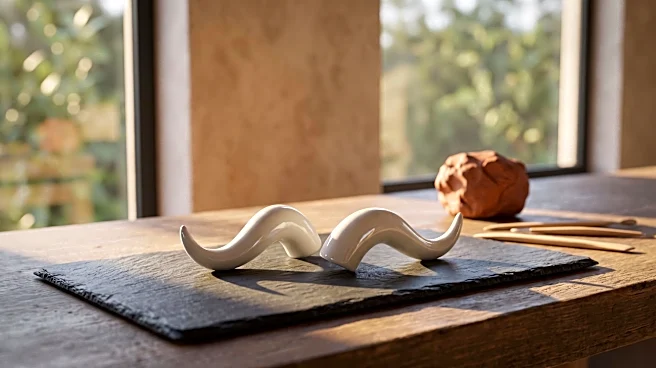
South African ceramic studio Ardmore Ceramic Art is known for its wildlife-themed ceramic creations. Among their distinctive pieces are two small horns, which feature a contrasting smooth, glossy white glaze. The studio's work often draws inspiration
from the diverse wildlife found in South Africa, translating these natural elements into artistic ceramic forms. This particular design highlights a blend of natural shapes with refined artistic finishes, showcasing the studio's unique approach to ceramic art.
Why It's Important?
The work of Ardmore Ceramic Art is significant as it represents a unique intersection of art, culture, and wildlife conservation awareness. By creating pieces inspired by South African wildlife, the studio contributes to the global appreciation of the region's biodiversity. The artistic interpretation of animal forms, such as the horns, can also subtly draw attention to issues like wildlife preservation, even if not explicitly stated. Furthermore, the studio provides economic opportunities and promotes traditional and contemporary ceramic skills within South Africa, contributing to the local economy and cultural heritage. The distinct aesthetic of their work also positions them as a notable entity in the international art market, influencing trends in ceramic design and decorative arts.
What's Next?
Ardmore Ceramic Art is expected to continue its tradition of producing wildlife-inspired ceramics, potentially exploring new animal motifs and glaze techniques. Their presence in international art markets and auctions suggests ongoing demand for their unique pieces. The studio may also engage in collaborations or exhibitions that further highlight South African art and wildlife. Continued innovation in their designs and production methods will likely maintain their reputation and appeal to collectors and art enthusiasts worldwide. The focus on unique design elements, such as the contrasting glazes on the horns, indicates a continuous evolution in their artistic expression.
Beyond the Headlines
Beyond their aesthetic appeal, Ardmore Ceramic Art's creations, particularly those featuring animal parts like horns, can spark broader conversations about the ethical considerations of depicting wildlife and the impact of human interaction with nature. While the studio's work is artistic and not directly involved in illegal wildlife trade, the visual representation of animal elements can subtly remind viewers of the challenges faced by endangered species and the importance of conservation efforts. The studio's success also underscores the value of indigenous art forms and the potential for local craftsmanship to achieve international recognition, fostering cultural pride and sustainable artistic practices. Their art serves as a cultural ambassador, sharing a piece of South Africa's natural and artistic heritage with a global audience.