






What's Happening?
Domtar, a prominent producer of pulp, paper, packaging, tissue, and wood products, is actively recruiting an Entry-level Environmental Engineer for its Johnsonburg Mill and associated chip plants in Pennsylvania. This full-time, permanent position is crucial
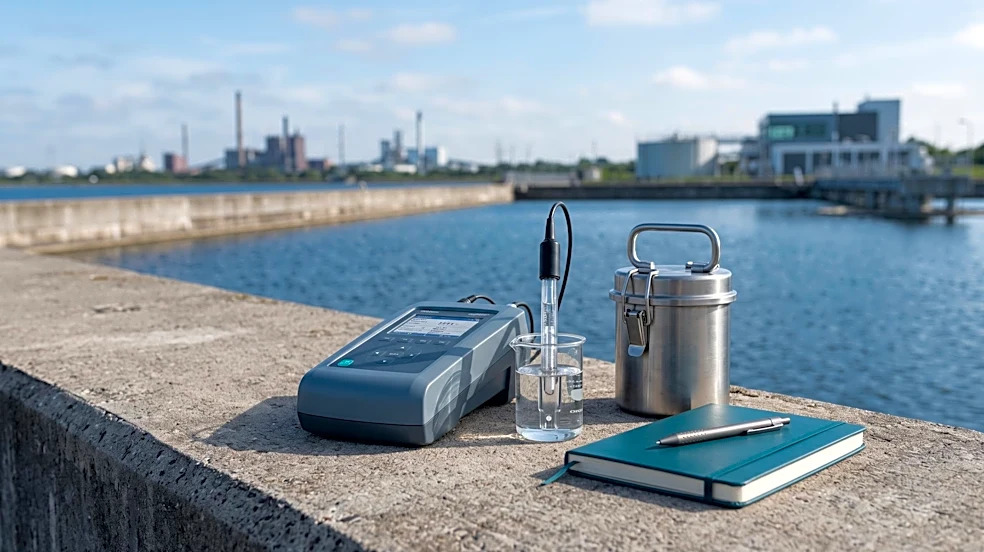
for ensuring compliance with air, water, and waste regulations. The successful candidate will report directly to the EHS Manager and be responsible for preparing and submitting regulatory reports, maintaining internal metrics, tracking, and record retention. Additionally, the role involves sustaining regulatory compliance, conducting field testing and sampling, and performing daily management system checks within the workplace. Domtar emphasizes its commitment to safety, sustainability, and operational excellence across its facilities in Canada and the United States, aiming to deliver high-quality and cost-effective products globally. The company highlights its workforce of 14,000 individuals and its focus on competitive compensation, a supportive environment, and opportunities for growth.
Why It's Important?
This hiring initiative by Domtar underscores the increasing importance of environmental compliance and sustainability within the U.S. manufacturing sector, particularly for industries with significant environmental footprints like pulp and paper production. The demand for dedicated environmental engineering roles reflects stricter regulatory landscapes and a growing corporate emphasis on responsible operations. For Domtar, ensuring robust environmental management is vital for maintaining its social license to operate, avoiding potential fines and legal challenges, and upholding its brand reputation. The role's focus on air, water, and waste compliance directly impacts local ecosystems and communities surrounding the Johnsonburg facility. Furthermore, by investing in environmental expertise, Domtar aims to optimize its processes, potentially leading to more efficient resource use and reduced operational costs associated with waste management and emissions control. This move also signals a broader trend where companies are integrating environmental stewardship into their core business strategies to meet stakeholder expectations and achieve long-term viability.
What's Next?
Domtar will proceed with a selection process for the Environmental Engineer position, which may include interviews, employment background checks, pre-employment drug screenings, and aptitude tests. The company is seeking candidates with a Bachelor's degree, strong communication skills, and an improvement-minded work mentality, with environmental work experience being preferred but not mandatory. Once hired, the new engineer will be instrumental in the continuous improvement of the environmental management system and processes at the Johnsonburg Mill. This will involve ongoing regulatory reporting and ensuring the facility adheres to evolving environmental standards. Domtar's continued focus on equity, diversity, and inclusion suggests that the company will also be looking to foster a diverse and empowered workforce in this critical environmental role. The successful integration of this position will likely lead to enhanced environmental performance and compliance for Domtar's operations in Pennsylvania.
Beyond the Headlines
The creation of this environmental engineering role at Domtar reflects a deeper societal and industrial shift towards greater accountability for environmental impact. Beyond mere compliance, companies like Domtar are increasingly recognizing that proactive environmental management can be a source of competitive advantage, attracting environmentally conscious consumers and investors. This trend also highlights the evolving nature of engineering careers, with a growing demand for specialists who can navigate complex regulatory frameworks and implement sustainable practices. The emphasis on continuous improvement in environmental management systems suggests a move beyond static compliance to dynamic, adaptive strategies that anticipate future environmental challenges and regulations. This commitment to sustainability can also foster innovation within the company, leading to the development of greener products and processes, ultimately contributing to a more circular economy within the U.S. manufacturing landscape.