




What's Happening?
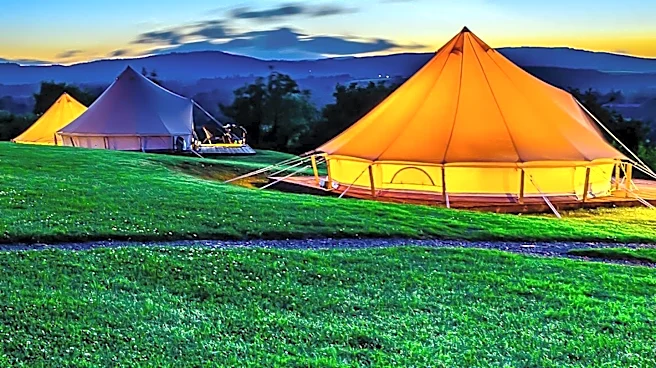
A planning application has been submitted to Laois County Council for a new 'eco-stay' glamping business in Deerpark, Ballyfin, Ireland. The proposed development, located at the foot of the Slieve Bloom Mountains next to Ballyfin Demesne, includes three
luxury yurts designed to accommodate up to four people each. Additionally, the plans detail parking for seven campervans with full utilities, a covered pedestrian walkway, recycling facilities, a self-catering kitchen, storage, and a shower and toilet block. The yurts will be constructed using eco-friendly materials such as sheep’s wool insulation, recycled glass, and sustainable larch joinery. The applicant, Aisling Duff, also seeks retention permission for an existing one-bedroom mobile home on the site, intended for administration and caretaker use. The business aims to attract wildlife photographers, eco-conscious travelers, and nature lovers, focusing on short-stay rural getaways that emphasize relaxation and natural beauty. Birdwatch Ireland, Laois Branch, has confirmed that the development will not impact Hen harrier habitats.
Why It's Important?
This development signifies a growing trend in sustainable tourism and eco-conscious travel, reflecting an increasing demand for environmentally friendly accommodation options. The use of eco-materials like sheep’s wool insulation and sustainable larch joinery sets a precedent for future tourism projects in the region, promoting responsible development. By targeting wildlife enthusiasts and nature lovers, the business aims to tap into a niche market that values ecological preservation and immersive natural experiences. The inclusion of electric vehicle charging points for campervan bays also aligns with broader efforts to reduce carbon footprints in the tourism sector. This project could serve as a model for other rural areas looking to boost local economies through sustainable tourism, attracting both domestic and international visitors while minimizing environmental impact.
What's Next?
Laois County Council is expected to make a decision on the planning application by January 14, 2027. If approved, the next steps would involve the construction of the yurts, campervan facilities, and associated infrastructure. The applicant also plans extensive landscaping, including planting trees, native indigenous hedging, wildflower seeds, and grass seeding, to enhance the site's natural appeal. Future developments could include partnerships with local nature organizations or tour operators to offer guided wildlife experiences, further integrating the glamping site with the surrounding natural environment. The success of this eco-stay could encourage similar ventures in the region, potentially leading to a cluster of sustainable tourism businesses around the Slieve Bloom Mountains.
Beyond the Headlines
The proposed eco-glamping site highlights a broader shift in consumer preferences towards experiences that offer both luxury and environmental responsibility. This project could influence local planning policies to prioritize developments that incorporate sustainable building practices and ecological considerations. It also underscores the economic potential of leveraging natural landscapes for tourism in a way that respects and preserves them. The focus on attracting specific demographics like wildlife photographers suggests a move towards specialized tourism offerings that cater to particular interests, potentially fostering a more engaged and appreciative visitor base. This initiative could also spark discussions about the balance between tourism development and conservation, ensuring that economic benefits do not come at the expense of ecological integrity.