




What's Happening?
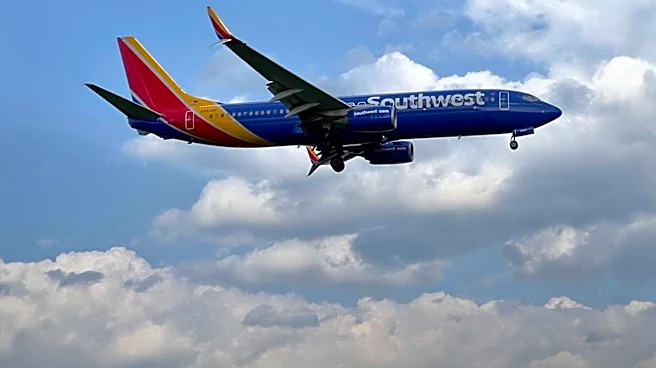
A Southwest Airlines passenger, Kelly (@justplainmanshit), encountered a restrictive policy when attempting to move to an empty seat on a flight from LAX to Reno. Despite numerous vacant seats, a flight attendant informed him that he could not move to a more
expensive seat without paying the fare difference. Kelly, who mentioned he snores and wished to move away from an elderly couple, expressed frustration, calling the policy 'the stupidest thing I've ever heard.' The airline's website confirms this policy, stating that with assigned seating, passengers select their seat during booking for most fares, and seat selection is no longer based on boarding order. For Basic fares, seat assignments are provided at check-in. This incident has sparked debate online, with some commenters defending the airline's right to charge for different fare classes, while others criticize the policy as illogical, especially when seats remain empty after departure. The discussion highlights a contrast with other airlines that may allow seat changes with flight attendant permission.
Why It's Important?
This incident underscores the evolving landscape of airline fare structures and customer service expectations. For Southwest Airlines, a company known for its unique boarding process and customer-centric approach in the past, this policy reflects a shift towards more segmented pricing and revenue optimization. The division among online commenters illustrates a broader tension between consumer desire for flexibility and airline efforts to maximize revenue from every seat. Passengers who purchase lower-tier fares may feel penalized, while those who pay for premium seats expect exclusivity. This policy could impact customer satisfaction and loyalty, particularly for passengers accustomed to more flexible seating arrangements on other carriers or under previous Southwest policies. The debate also highlights how airlines balance operational efficiency with passenger comfort and perceived fairness, potentially influencing future policy adjustments across the industry.
What's Next?
The ongoing public discussion surrounding Southwest Airlines' seat change policy may prompt the airline to clarify its stance or evaluate its impact on customer perception. While the policy is clearly stated on their website, the viral nature of such incidents often leads to increased scrutiny. Other airlines might observe the public reaction to gauge whether similar restrictive policies could be implemented or if more flexible approaches are preferred by consumers. Passengers may become more aware of fare class restrictions when booking flights, potentially influencing their choice of airline or fare type. Social media will likely continue to be a platform for passengers to share their experiences, putting pressure on airlines to address customer concerns regarding perceived inflexibility or unfair practices. Southwest may face continued calls for policy review, especially if similar incidents gain traction.
Beyond the Headlines
This situation touches upon deeper implications regarding the commodification of airline travel and the erosion of traditional customer service norms. The airline industry, facing significant operational costs and competitive pressures, has increasingly unbundled services, turning what were once standard amenities into chargeable extras. This policy, which prevents a passenger from moving to an empty, higher-fare seat, exemplifies this trend, treating the empty seat as a lost revenue opportunity rather than a potential for customer goodwill. It raises ethical questions about whether an airline should prioritize potential revenue from an unsold seat over a passenger's comfort, especially when no additional cost is incurred by the airline. This approach could contribute to a more transactional relationship between airlines and passengers, potentially diminishing brand loyalty and fostering a sense of nickel-and-diming among travelers. The long-term impact could be a shift in consumer expectations, where flexibility and comfort are no longer assumed but explicitly purchased.