



What's Happening?
Tokyo Central, a Japanese supermarket in Emeryville's Bay Street shopping complex, is distinguishing itself with a unique selection of produce and specialty meats. Unlike typical Bay Area grocery stores that feature seasonal peaches and corn, Tokyo Central offers
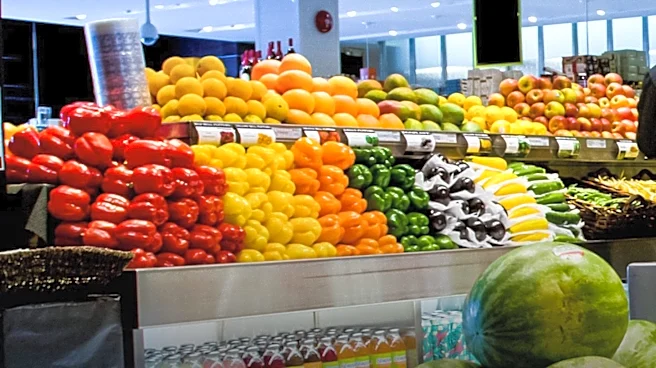
a variety of Asian and tropical fruits, including Brazilian papayas, Asian pears, Cara Cara oranges, and deep-purple Kyoho grapes. The store, which is the largest Japanese supermarket in Alameda and San Francisco counties, also boasts an impressive meat section. This includes wagyu beef with detailed cooking instructions via QR codes and thinly sliced Kurobuta pork, accompanied by laminated signs explaining how to prepare shabu shabu. Beyond these specialty items, Tokyo Central also stocks a decent selection of everyday grocery basics, such as fresh vegetables, Greek yogurt, and shredded cheddar jack cheese, making it a versatile shopping destination. The store also features a broad selection of Japanese favorites like Calbee JagaRico Potato Sticks and Kewpie mayonnaise, alongside Hawaiian favorites such as Aloha shoyu and Redondo’s Portuguese Sausage.
Why It's Important?
The emergence of large-scale Asian supermarkets like Tokyo Central in the Bay Area signifies a growing demand for diverse international food products and a shift in the grocery retail landscape. This trend provides consumers with broader access to ingredients that were once niche or difficult to find, catering to an increasingly multicultural population and adventurous palates. For the U.S. food industry, it highlights an opportunity for suppliers and distributors to expand their offerings to include more specialized and imported goods. The detailed guidance provided by Tokyo Central, such as QR codes for cooking methods and instructions for preparing traditional dishes like shabu shabu, also indicates a consumer desire for education and cultural immersion through food. This approach can foster greater culinary exploration and appreciation for different food traditions, potentially influencing mainstream grocery stores to diversify their own selections and provide more educational resources for consumers. The store's accessibility and comprehensive offerings make it a significant player in the local retail market, impacting consumer choices and potentially driving competition among grocery providers.
What's Next?
The success of Tokyo Central and similar large Asian supermarkets could lead to further expansion of these chains across the U.S., particularly in areas with diverse populations. Other grocery retailers may observe this trend and begin to integrate more international and specialty products into their own inventories to remain competitive. This could result in a broader availability of unique produce, meats, and packaged goods in mainstream supermarkets. Additionally, the emphasis on providing detailed cooking instructions and cultural context for products might become a more common practice, enhancing the shopping experience and encouraging consumers to experiment with new cuisines. We might also see an increase in partnerships between international food suppliers and U.S. distributors to meet the rising demand for these specialized items. The continued growth of these markets suggests a long-term shift towards more diverse and culturally rich food options becoming readily accessible to a wider American audience.
Beyond the Headlines
Beyond the immediate retail impact, the rise of supermarkets like Tokyo Central reflects deeper cultural and demographic shifts within the U.S. The increasing availability of diverse international foods contributes to a more globalized culinary landscape, fostering cultural exchange and understanding through shared food experiences. This trend can also have economic implications for local communities, creating jobs and supporting a wider range of businesses, from importers to specialty food producers. Ethically, it encourages a more inclusive approach to food retail, recognizing and catering to the varied tastes and traditions of different ethnic groups. Environmentally, the sourcing of tropical and Asian produce may raise questions about sustainable farming practices and supply chain logistics, prompting discussions about the environmental footprint of imported goods. Ultimately, these supermarkets are not just places to buy groceries; they are cultural hubs that reflect and shape the evolving identity of American communities, promoting diversity and culinary exploration.