






What's Happening?
A food writer is promoting a 'freezer-rich mindset' as a key strategy for effective meal preparation, particularly for individuals with limited kitchen space or time. This approach emphasizes cooking larger quantities of food, such as braises or roasted
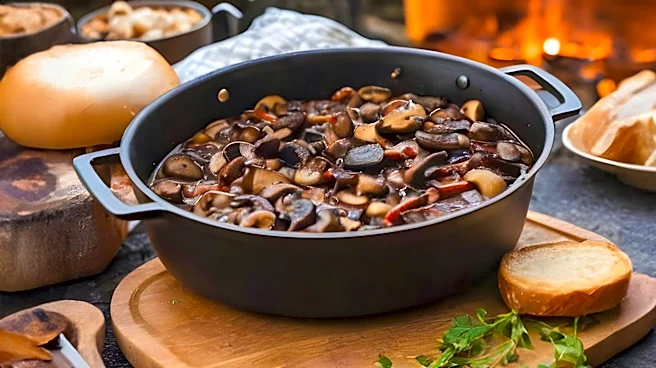
meats, and then freezing meal-sized portions for later consumption. The writer highlights that this method not only saves time and money but also supports healthy eating habits by reducing reliance on takeout. Ashley Lonsdale, ButcherBox chef-in-residence, supports this concept, noting the benefit of having homemade meals and sauces readily available from the freezer. The strategy is especially beneficial during times when fresh ingredients are less abundant, allowing for vibrant flavors to be enjoyed year-round. Examples include freezing braised pork meat sauce or herbed compound butter to enhance weeknight dinners, and preparing cooked proteins like short ribs, pulled chicken thighs, beef stew, chili, and hearty soups that freeze well.
Why It's Important?
This meal preparation strategy offers significant benefits for individuals and households across the U.S., particularly those facing time constraints or seeking to manage their food budget more effectively. By encouraging batch cooking and freezing, it promotes healthier eating habits by making home-cooked meals more accessible and convenient, potentially reducing the consumption of processed foods or expensive takeout options. For busy professionals or those with small living spaces, this method provides a practical solution to maintain a balanced diet without requiring extensive daily cooking efforts. Economically, it can lead to substantial savings by minimizing food waste and allowing consumers to take advantage of seasonal produce when it is most affordable. The emphasis on preparing and freezing 'flavor boosters' also encourages culinary creativity and ensures that meals remain appealing, addressing a common challenge in meal prepping where repetitive meals can lead to disinterest. This approach could influence consumer behavior towards more sustainable food practices and better dietary management.
What's Next?
The continued promotion of the 'freezer-rich mindset' by food writers and culinary experts is likely to increase its adoption among the general public. As more individuals seek convenient and cost-effective ways to manage their meals, this approach could become a more mainstream practice. We may see an increase in recipes and cooking resources specifically tailored to batch cooking and freezer storage. Food retailers and appliance manufacturers might also respond by offering products that support this trend, such as larger freezer options or specialized meal prep containers. Additionally, there could be a growing interest in community-based meal prep initiatives or workshops that teach these techniques, further embedding the practice into daily routines. The focus on utilizing seasonal ingredients and reducing food waste aligns with broader sustainability goals, suggesting a potential for this trend to contribute to more environmentally conscious eating habits.
Beyond the Headlines
Beyond the immediate benefits of convenience and cost savings, the 'freezer-rich mindset' touches upon deeper cultural and psychological aspects of food consumption. In a fast-paced society, the act of preparing and freezing meals can be a form of self-care, ensuring future well-being and reducing daily stress associated with meal planning. It fosters a sense of preparedness and control over one's diet, which can be empowering. This approach also subtly redefines 'leftovers' from an afterthought to a valuable resource, encouraging a more mindful and appreciative relationship with food. Ethically, it promotes food waste reduction, a critical issue with significant environmental implications. The practice can also serve as a bridge between traditional cooking methods, which often involved preserving food, and modern lifestyles, allowing individuals to enjoy the benefits of home-cooked meals without being tied to daily kitchen duties. This shift could lead to a broader re-evaluation of how food is valued, prepared, and consumed in American households.