
What's Happening?
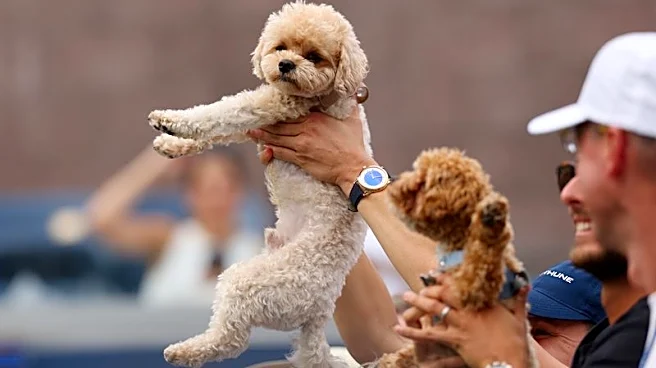
Wimbledon is reportedly planning to implement stricter measures regarding influencer attendance and behavior at its upcoming tournaments, following a series of disruptive incidents involving content creators at the recent U.S. Open. ESPN reports that
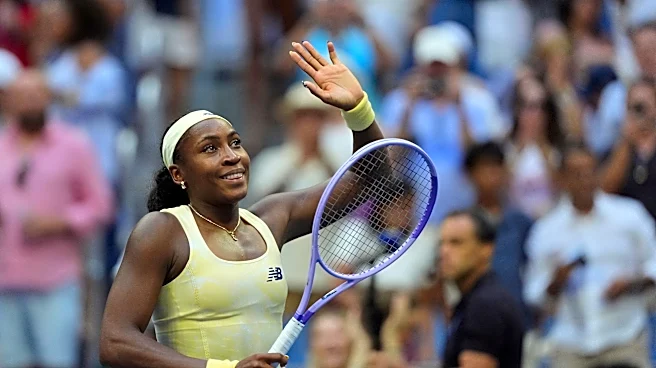
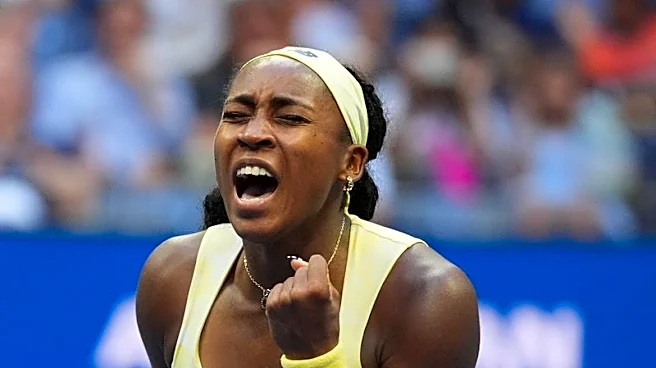
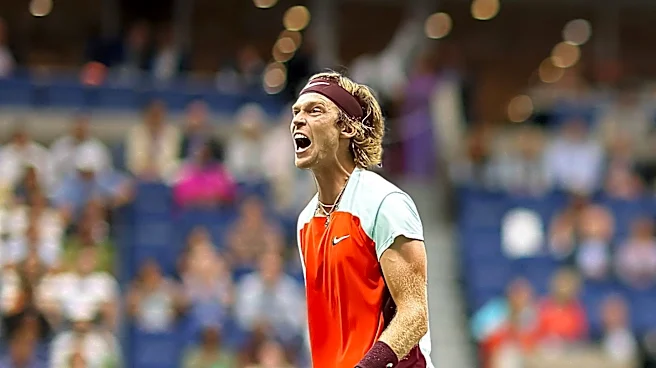
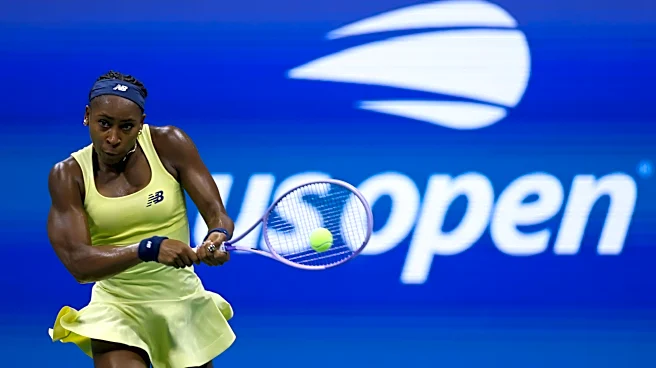
the British Grand Slam does not intend to invite more influencers than in previous years, contrasting with the U.S. Open's decision to nearly double its influencer guest list from 54 to almost 100. Furthermore, Wimbledon plans to confiscate items deemed distracting, such as ring lights. Several tennis players, including Coco Gauff and Naomi Osaka, voiced concerns about audience distractions during the U.S. Open, with Osaka noting that umpires frequently had to call for quiet due to noise from hospitality suites.
Why It's Important?
This development highlights a growing tension between traditional sports etiquette and the evolving landscape of digital media and influencer culture. While inviting influencers can broaden a sport's appeal to new demographics, as acknowledged by players like Naomi Osaka, the incidents at the U.S. Open suggest that this strategy can also lead to significant disruptions. For major sporting events like Wimbledon, maintaining the integrity and atmosphere of the competition is paramount. The decision to limit influencer invitations and confiscate distracting items reflects an effort to preserve the spectator experience and ensure fair play, which could influence how other major sports organizations manage their engagement with content creators in the future. This also raises questions about the balance between marketing reach and event decorum.
What's Next?
Wimbledon's announced approach sets a precedent for how major sporting events might manage the presence of social media influencers. Other Grand Slams and professional sports leagues will likely observe the outcomes of these policies. There could be a broader re-evaluation across the sports industry regarding the guidelines and expectations for influencers attending live events. Influencers themselves may need to adapt their content creation strategies to align with stricter venue rules, potentially leading to more curated or less spontaneous content. The debate over how to attract new audiences without compromising the traditional fan experience is expected to continue, with future events potentially experimenting with different models of engagement.
Beyond the Headlines
The controversy surrounding influencers at tennis tournaments touches upon deeper cultural shifts regarding public behavior and the pervasive nature of digital self-presentation. The expectation of 'content creation' in every setting, even those with established traditions and etiquette, challenges the boundaries of appropriate conduct. This situation also underscores the generational divide in how live events are experienced and consumed. While traditional fans prioritize the sporting spectacle, a segment of the audience, particularly younger demographics, views events as opportunities for personal branding and social media engagement. The challenge for institutions like Wimbledon is to navigate these differing expectations while upholding their brand identity and the values of the sport. This could lead to a broader discussion about digital citizenship and responsible online behavior in public spaces.