


What's Happening?
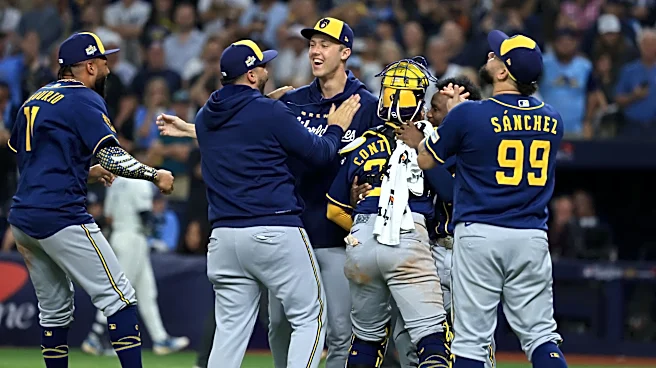
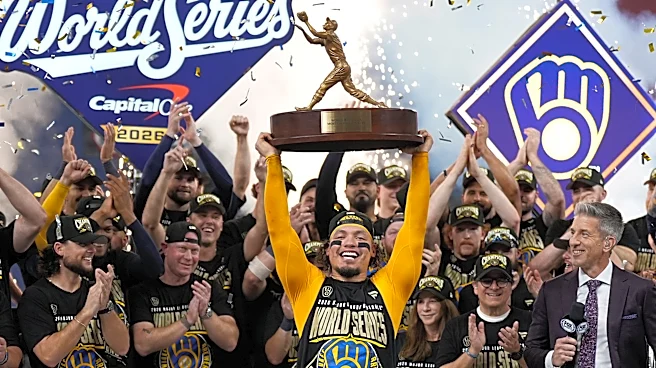
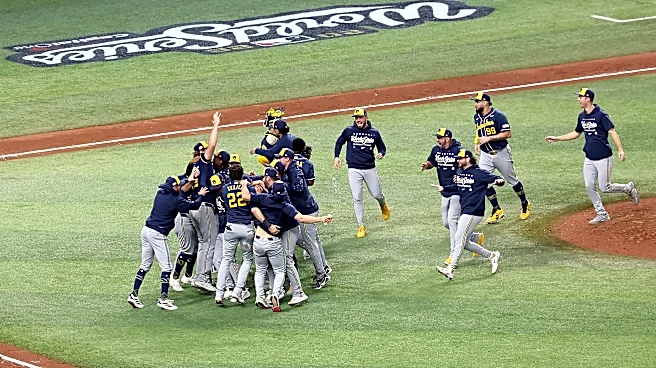
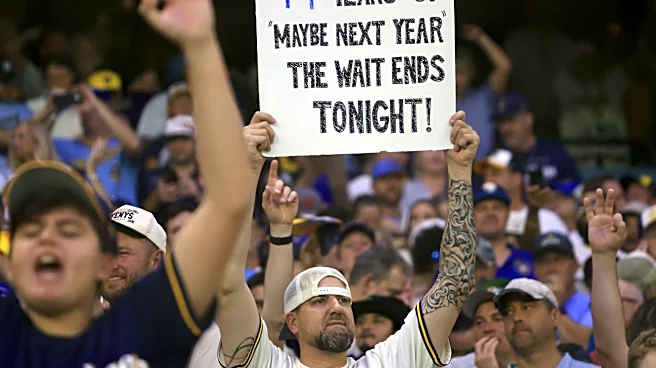
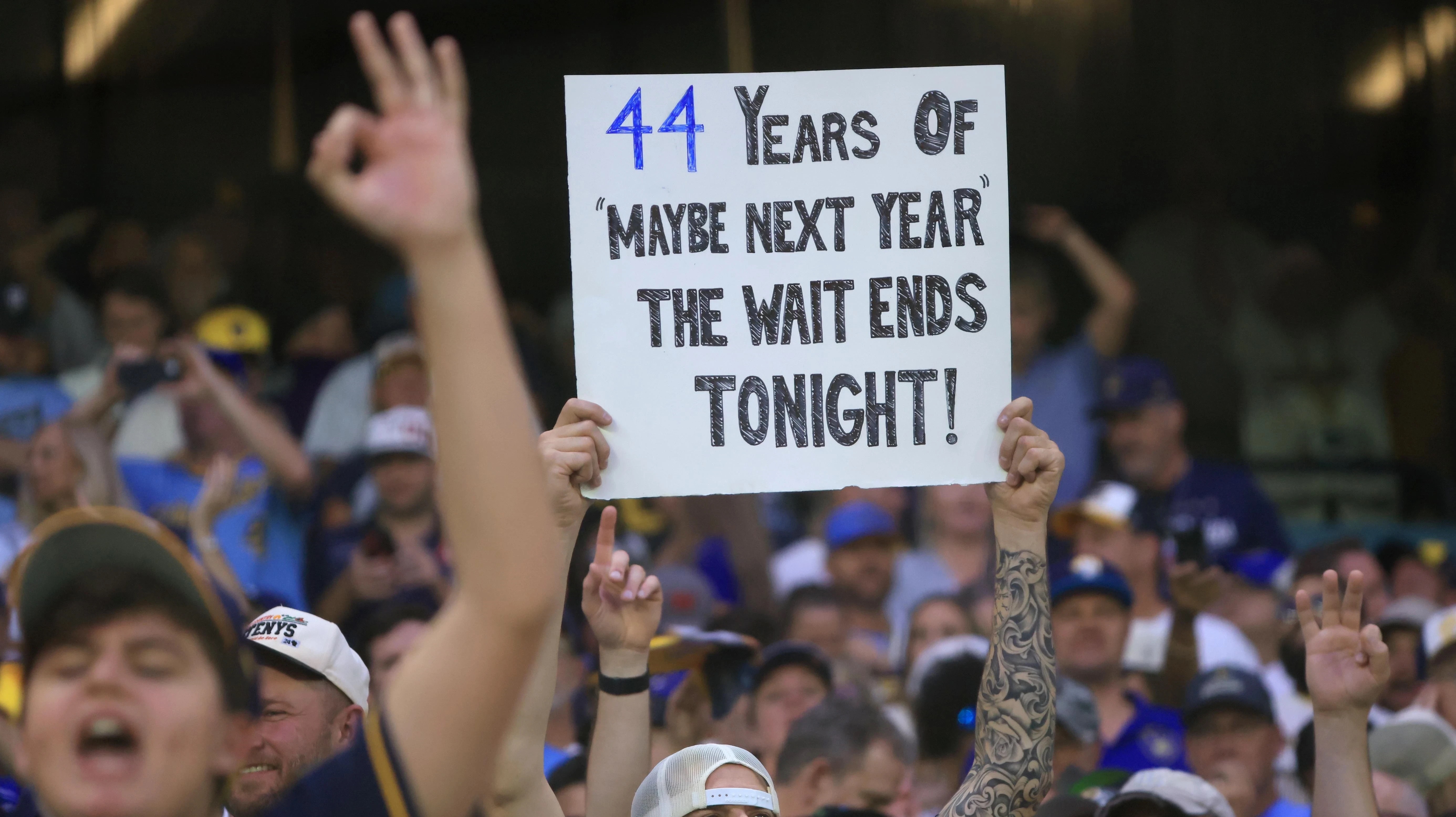
The Milwaukee Brewers, fresh off their first World Series championship, are confronting the challenges of maintaining a competitive team within the constraints of a small market. Despite their recent success, the organization, led by owner Mark Attanasio,
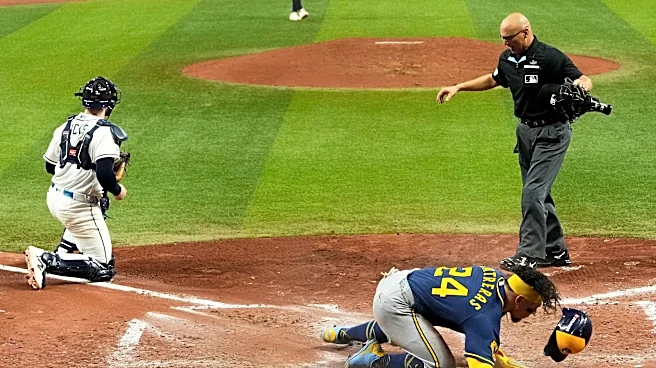
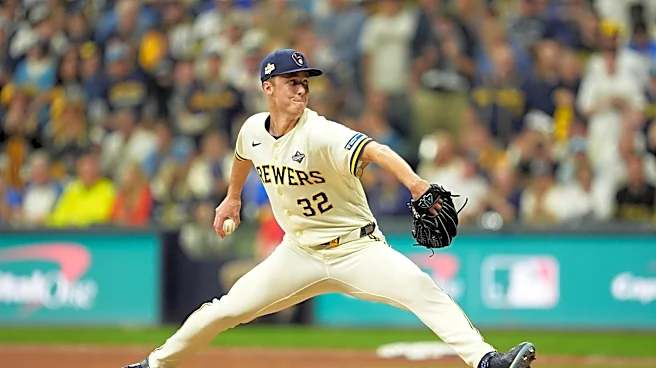
continues to operate with spending limits. A key decision looms regarding World Series MVP William Contreras, whose club option for $14.5 million for next season precedes his potential free agency. Similarly, closer Trevor Megill is entering his final year of arbitration in 2027. Historically, the Brewers have traded high-performing players like Devin Williams, Corbin Burnes, Josh Hader, and Freddy Peralta before they reached free agency to bolster their farm system. This strategy has allowed them to remain competitive without signing high-priced free agents, a model they appear poised to continue. The team boasts a strong core of young, homegrown position players, many of whom are under club control for several years, including Jackson Chourio, Cooper Pratt, and Luis Lara.
Why It's Important?
This situation highlights the ongoing tension between competitive success and financial realities in Major League Baseball, particularly for small-market teams. The Brewers' approach of developing talent and strategically trading players before they command large free-agent contracts offers a blueprint for other teams facing similar economic pressures. Their ability to consistently produce top prospects, evidenced by having the consensus No. 1 prospect and farm system in baseball, is crucial for their long-term viability. The decisions regarding Contreras and Megill will test this model, as retaining key players often conflicts with the strategy of maximizing returns through trades. The Brewers' success demonstrates that a robust player development system and shrewd front-office management can overcome significant payroll disparities, influencing how other small-market franchises might structure their operations to achieve sustained competitiveness.
What's Next?
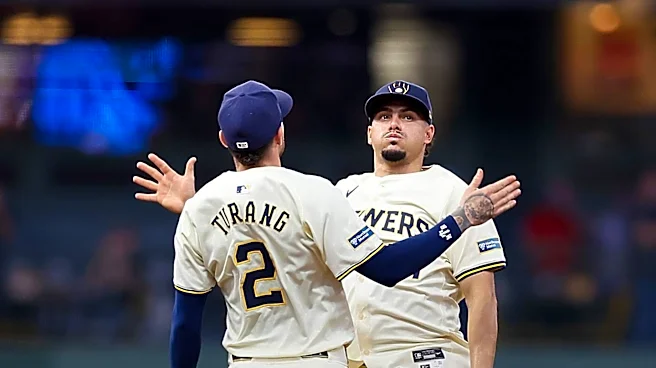
The Brewers face immediate decisions regarding William Contreras and Trevor Megill, with Contreras's club option and Megill's arbitration year approaching. The team's historical pattern suggests they may explore trades for these players to further strengthen their farm system, rather than committing to large contracts. Looking ahead, the organization will need to manage the rising costs of budding stars like second baseman Brice Turang, who is projected to earn $9.5 million in 2027 and has two more arbitration years. The expiration of baseball's current labor agreement during the offseason introduces an element of uncertainty regarding the economic landscape, which could impact future team strategies. However, the Brewers' front office has a track record of adapting to rule changes and challenges, indicating they will likely continue their nimble approach to roster construction and financial management.
Beyond the Headlines
The Brewers' model of sustained success in a small market raises broader questions about the economic structure of professional sports and the pathways to championship contention. Their reliance on a strong farm system and strategic player development, rather than high-spending free agency, challenges the conventional wisdom that financial might dictates success. This approach fosters a culture of continuous talent identification and nurturing, potentially leading to a more sustainable and resilient organization. The ethical implications of trading popular, high-performing players for future assets, while financially prudent, can sometimes strain fan loyalty. However, the Brewers' recent World Series win validates their strategy, suggesting that fans may prioritize sustained competitiveness over retaining individual stars at all costs. This could influence how other small-market teams balance financial responsibility with fan expectations and competitive aspirations.