





What's Happening?
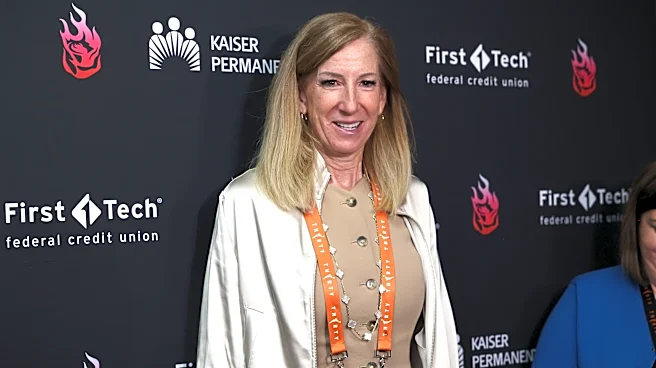
WNBA Commissioner Cathy Engelbert is set to retire at the end of the year, concluding a seven-plus-year tenure marked by significant growth and various challenges. Engelbert, the second-longest tenured WNBA president or commissioner, played a crucial
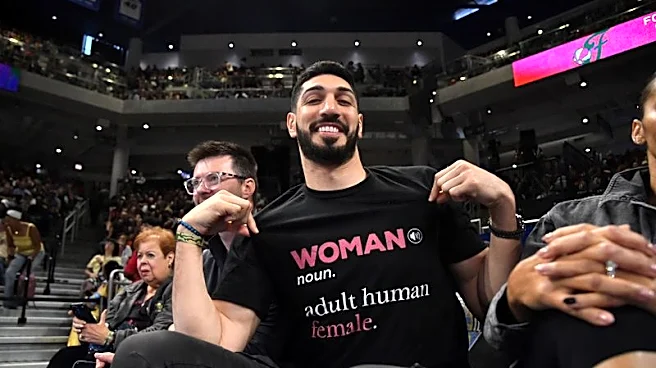
role in negotiating a lucrative collective bargaining agreement that led to the league's first million-dollar player salaries. Her leadership has seen the WNBA achieve record television ratings, strong attendance, a new long-term media rights deal, and expansion plans to 18 teams by the end of the decade. The average value of a WNBA franchise has also surged from $10 million in 2019 to approximately $460 million in 2026. Despite these successes, her time has also been characterized by a strained relationship with players during contract negotiations, controversies surrounding officiating, and debates over transgender athlete participation, alongside increased social media backlash against WNBA participants. Engelbert stated her decision to retire was her own, driven by a belief that it's a good time to transition leadership given the league's financial transformation.
Why It's Important?
Engelbert's retirement marks a pivotal moment for the WNBA, as her leadership has been instrumental in transforming the league's financial landscape and public profile. The negotiation of a collective bargaining agreement that introduced million-dollar salaries for players signifies a major step forward in professional women's sports, potentially attracting more talent and investment. The substantial increase in franchise values reflects growing investor confidence and the league's enhanced marketability. However, the controversies during her tenure, including player dissatisfaction and debates on social issues, highlight the complexities of managing a rapidly growing sports league in a highly scrutinized environment. The next commissioner will inherit a league with significant momentum but also ongoing challenges related to player relations, social media engagement, and navigating sensitive societal discussions, all of which could impact the WNBA's continued growth and public perception.
What's Next?
Cathy Engelbert will officially retire at the end of the year, with a succession plan already in motion. She has been working on identifying potential candidates, both internal and external, to take over the leadership role. The incoming commissioner will be tasked with building upon the league's recent successes, including finalizing the long-term media rights deal and overseeing the planned expansion to 18 teams. They will also need to address the lingering issues that have caused 'turmoil and tension' during Engelbert's tenure, such as improving player relations, managing social media vitriol directed at players, and developing clear policies on sensitive topics like transgender athlete participation. Engelbert expressed her willingness to assist in the transition process to ensure the new leader can effectively guide the WNBA into its next phase of development. The league's stakeholders, including players, team owners, and fans, will be closely watching the selection of the new commissioner and their approach to these critical issues.
Beyond the Headlines
The departure of Cathy Engelbert from the WNBA commissioner role underscores broader themes within professional sports, particularly concerning the balance between rapid commercial growth and addressing social and ethical challenges. The league's exponential financial growth under her leadership, evidenced by increased franchise values and player salaries, reflects a significant shift in the perception and investment in women's sports. This success, however, has also brought increased scrutiny and pressure, as seen in the 'headline-grabbing distractions' and 'social media backlash.' The ongoing debates surrounding player safety, officiating, and transgender athlete inclusion highlight the evolving role of sports leagues as platforms for social discourse. The next commissioner will not only need strong business acumen but also a nuanced understanding of these complex social dynamics to maintain the league's positive trajectory while fostering an inclusive and supportive environment for its athletes. This transition could set a precedent for how other growing sports leagues navigate similar challenges.