





What's Happening?
The Nufenen Pass, or Passo della Novena, is highlighted as the highest road pass entirely within Switzerland, connecting the cantons of Valais and Ticino. Standing at 2,478 meters, its construction was completed in the 1960s, with the road opening in September
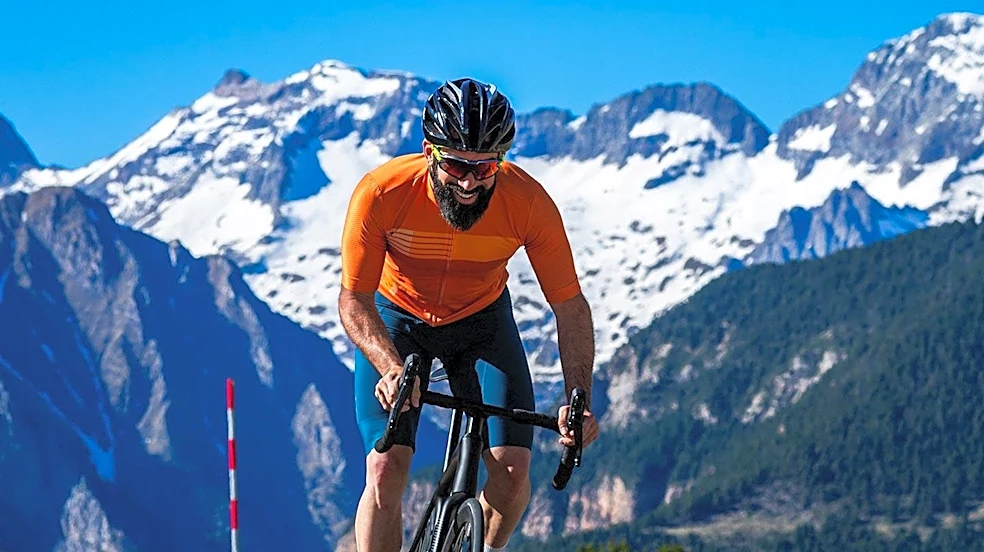
1969. Unlike many famous Alpine passes, Nufenen Pass does not owe its reputation to the Tour de France or Giro d’Italia, but rather to its challenging gradients and significant altitude. Cyclists approaching from the west (Ulrichen) face a shorter but relentlessly steep climb, averaging around 8.5%. The eastern approach from Airolo is considerably longer, accumulating over 1,300 vertical meters, with gradients gradually increasing through the Val Bedretto before reaching the high mountains. The pass is a prominent feature in the Tour de Suisse, having been included in several editions, such as in 2011, 2019, and 2022, and was scheduled for 2024 before being canceled due to snow. It is also a key component of various Alpenbrevet courses.
Why It's Important?
The Nufenen Pass represents a significant challenge and attraction for the cycling community, particularly those seeking high-altitude Alpine experiences. Its unique characteristics—a relatively young road for an Alpine pass of its stature, and two distinct approaches offering different types of climbs—contribute to its importance in the world of cycling. For professional cyclists, its inclusion in races like the Tour de Suisse provides a demanding test of endurance and skill, influencing race strategies and outcomes. For recreational cyclists, it offers a profound physical and scenic experience, drawing tourism to the regions of Valais and Ticino. The pass's role in events like the Alpenbrevet further solidifies its status as a premier cycling destination, contributing to local economies through sports tourism. The contrast between the German-speaking Valais and Italian-speaking Ticino, separated by the pass, also highlights cultural and linguistic diversity within Switzerland, making the crossing a symbolic journey.
What's Next?
The Nufenen Pass will continue to be a significant feature for cycling enthusiasts and professional races, particularly the Tour de Suisse and Alpenbrevet events. Given its high altitude, the pass is subject to seasonal closures due to snow, typically opening in the summer months. Future events will need to monitor weather and snow conditions closely, as demonstrated by the cancellation of its inclusion in the 2024 Tour de Suisse queen stage. Cyclists planning to tackle the pass will need to check its status before attempting the climb. The pass's reputation as a challenging and rewarding route is likely to grow, attracting more international cyclists seeking to experience one of Switzerland's highest and most demanding road passes. Continued participation in major cycling events will further cement its place in Alpine cycling lore.
Beyond the Headlines
The Nufenen Pass, despite its relatively recent construction in the 1960s, offers a fascinating blend of engineering marvel and natural challenge. The fact that the modern road crosses at a higher elevation than the natural pass, making the Nufenen Pass 'higher' than its original geographical saddle, is a curious detail that underscores human ingenuity in overcoming natural obstacles. This modern construction contrasts with the centuries-old foot and mule routes, highlighting the evolution of transportation infrastructure in the Alps. The pass also serves as a tangible boundary between distinct cultural and linguistic regions of Switzerland, offering a unique perspective on the country's diverse identity. Its demanding nature, often dictating whether it can be crossed due to weather, emphasizes the enduring power of nature in even the most developed regions, reminding us of the respect required when engaging with high-altitude environments.