




What's Happening?
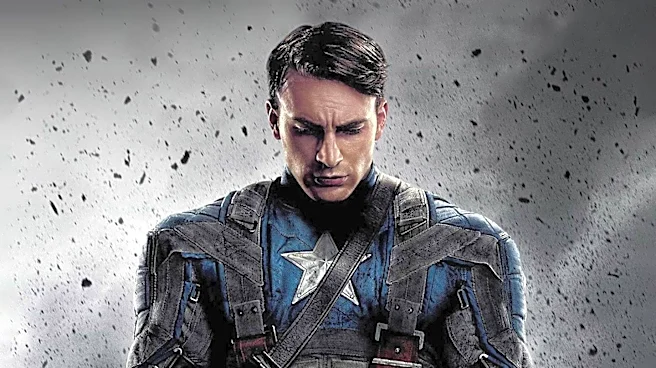
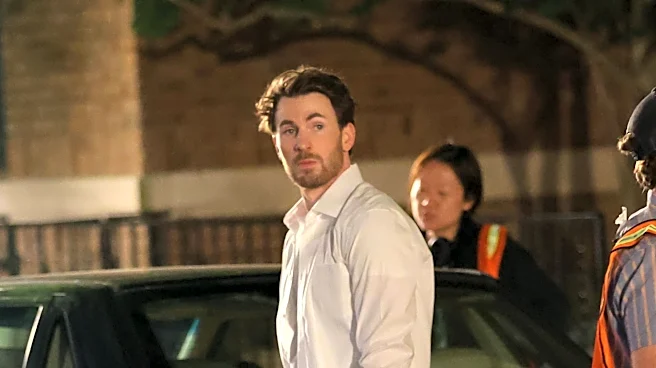
Actor Chris Evans has openly discussed his struggles with auditions, particularly recalling a challenging experience in 2008 for the Seth Rogen black comedy 'Observe and Report'. Despite his later success as Captain America in the Marvel Cinematic Universe,
Evans described his path in Hollywood as often difficult. He expressed a strong dislike for the audition process, stating it was the weakest part of his acting game. For 'Observe and Report', Evans auditioned three separate times, each attempt ending poorly due to severe anxiety. He recounted experiencing waves of sweat and his face turning red, forcing him to stop mid-audition. The first incident led him to excuse himself, and despite returning for a second attempt, the same anxiety recurred. Determined to leave a better impression, he insisted on a third audition a few days later, only for the same physical reaction to happen again, leading him to finally give up on the role. He noted that Seth Rogen and director Jody Hill were understanding during these incidents.
Why It's Important?
This account from Chris Evans highlights the significant pressures and anxieties faced by actors, even those who eventually achieve widespread fame. It underscores that the audition process can be a formidable barrier, regardless of an actor's talent or experience. For aspiring actors, Evans's story provides a candid look into the emotional and psychological challenges inherent in the industry, demonstrating that even established figures grapple with self-doubt and performance anxiety. It also sheds light on the subjective and often unpredictable nature of casting, where factors beyond acting skill, such as nerves, can heavily influence outcomes. This narrative contributes to a broader understanding of the human element within the highly competitive entertainment industry, emphasizing that success is not always a linear path and can involve overcoming significant personal hurdles.
What's Next?
While this specific event occurred in 2008, Evans's continued openness about his past struggles contributes to ongoing conversations within the entertainment industry regarding mental health and the pressures faced by performers. As more public figures share their experiences with anxiety and other mental health challenges, it could encourage greater empathy and support systems within Hollywood. For Evans himself, his career trajectory post-2008 demonstrates resilience and the ability to overcome early career setbacks. His candidness may inspire other actors to speak out about their own difficulties, potentially fostering a more supportive environment. The industry may continue to see discussions around how to make audition processes less intimidating, though no immediate policy changes are indicated by this specific recollection.
Beyond the Headlines
Evans's experience with 'Observe and Report' goes beyond a simple audition mishap; it illustrates the profound impact of performance anxiety, a condition that affects individuals across various high-pressure professions. His detailed description of physical symptoms like sweating and facial redness during auditions provides a relatable example of how anxiety can manifest physically, disrupting performance despite mental preparedness. This story also subtly critiques the traditional audition format, which often places immense pressure on individuals in an artificial, evaluative setting. It raises questions about whether alternative casting methods could better assess an actor's true capabilities by reducing stress factors. Furthermore, it highlights the resilience required in creative fields, where rejection and personal setbacks are common, yet perseverance can ultimately lead to significant success, as evidenced by Evans's subsequent career as a leading Hollywood actor.