









What's Happening?
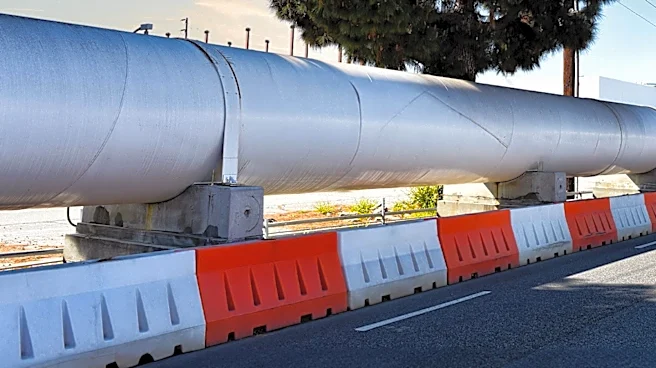
ConocoPhillips has announced an agreement to acquire a 42% interest in BP Energy Company of Kirkuk Limited. This move is part of a strategic effort to support the redevelopment of several major oil fields in northern Iraq, including the Baba and Avanah
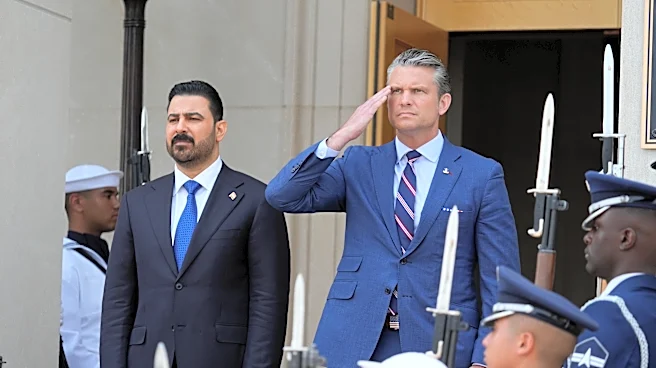
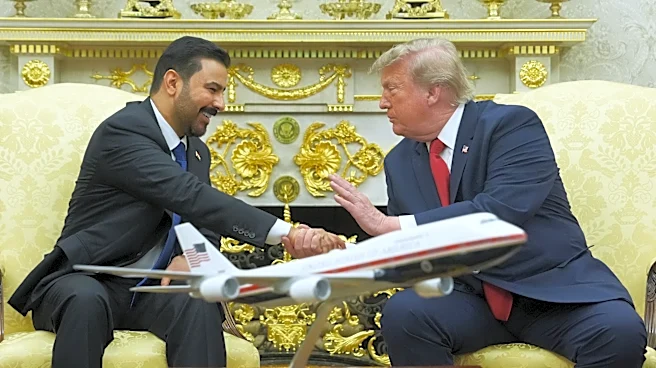
domes of the Kirkuk oil field, as well as the Bai Hassan, Jambur, and Khabbaz fields. The acquisition aligns with the U.S. objective to bolster Iraq's energy sector and reduce the region's dependency on routes susceptible to Iranian influence. The deal is expected to be finalized by the end of the year, pending regulatory approvals. This development coincides with the official visit of Iraqi Prime Minister Ali Al-Zaidi to Washington D.C., highlighting the significance of international cooperation in energy investments.
Why It's Important?
The acquisition by ConocoPhillips is significant as it represents a major investment in Iraq's energy infrastructure, which is crucial for the country's economic stability and growth. By enhancing Iraq's oil production capabilities, the deal aims to reduce the region's reliance on Iranian-controlled routes, thereby contributing to geopolitical stability. For ConocoPhillips, this investment provides access to a substantial, high-quality resource base, aligning with its strategic goals of expanding its global energy portfolio. The collaboration between U.S. companies and Iraq also underscores the importance of international partnerships in addressing energy security and economic development.
What's Next?
Following the acquisition, ConocoPhillips and BP will focus on the redevelopment of the Kirkuk oil fields, which are expected to significantly boost Iraq's oil production capacity. The transaction is subject to regulatory approvals, and its completion is anticipated by the end of the year. The success of this venture could pave the way for further investments in Iraq's energy sector, potentially attracting more international companies to participate in the country's economic revitalization. Additionally, the U.S. government may continue to support such initiatives as part of its broader strategy to stabilize the Middle East region.