




What's Happening?
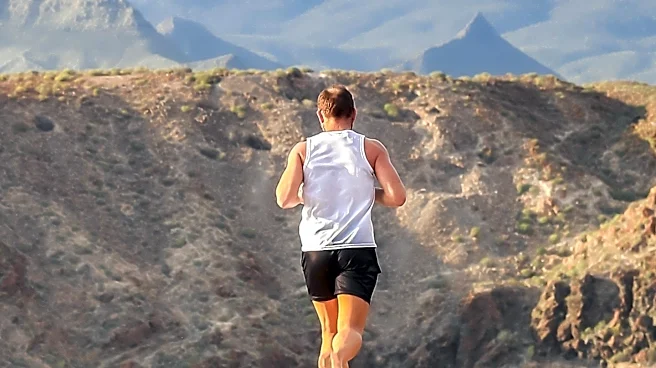
A recent study compared the fatigue levels experienced by 41 trained runners participating in either a simulated treadmill marathon, a simulated 18-mile (29 km) trail run with approximately 1,400 meters of ascent and descent, or an outdoor trail run of similar
distance and elevation. Researchers assessed various physiological markers including muscle activation, force, jumping ability, blood markers, and recovery rates following these events. The findings indicated that the marathon group experienced a more significant immediate reduction in the ability to fully engage knee muscles, with a 23.5% drop compared to 9.2% and 13.0% in the two trail groups. Additionally, squat-jump height decreased by 11.7% after the marathon, while it increased in the trail groups. A blood marker for muscle damage was also elevated the day after the marathon. Recovery of knee-extensor activation, jump height, and soreness took longer for marathon runners, though other neuromuscular measures showed less clear differences between the groups.
Why It's Important?
This research provides valuable insights for runners and coaches in the United States, particularly those involved in endurance sports. The findings suggest that while trail running, especially with steep descents, can be physically demanding, a road marathon may lead to more pronounced and lingering neuromuscular fatigue. This distinction is crucial for optimizing training regimens, recovery protocols, and race strategies. Understanding the specific types of fatigue induced by different running disciplines can help athletes prevent injuries, improve performance, and make informed decisions about their training load and recovery periods. For instance, marathon runners might need to prioritize longer recovery times for specific muscle groups, while trail runners might focus on strengthening muscles used in descents to mitigate their impact. The study underscores that event duration and actual leg function are more reliable indicators for returning to intense training than a simple road-versus-trail classification.
What's Next?
The implications of this study could lead to adjustments in training methodologies for both marathon and trail runners. Coaches and sports scientists may incorporate these findings to develop more tailored training plans that address the unique physiological demands of each discipline. For marathon runners, this might involve emphasizing recovery strategies that target knee muscle function and overall neuromuscular restoration. For trail runners, specific strength training for downhill running could become a more prominent part of their preparation to minimize leg fatigue. Further research could explore the long-term effects of these different types of fatigue on athletic careers and investigate more precise recovery interventions. Additionally, the study's emphasis on individual leg function over general labels suggests a move towards more personalized training approaches in endurance sports.
Beyond the Headlines
Beyond the immediate practical applications for athletes, this study contributes to a broader understanding of human physiology under extreme exertion. The nuanced differences in fatigue patterns between road and trail running highlight the body's adaptive responses to varied environmental stressors. This could inform not only athletic training but also rehabilitation strategies for individuals recovering from lower limb injuries, by providing insights into how different types of stress impact muscle recovery and function. The research also subtly challenges conventional wisdom by suggesting that the 'surface' of running is not the sole determinant of fatigue, but rather the specific biomechanical demands of the activity. This encourages a more holistic view of athletic performance and recovery, moving beyond simplistic categorizations to a more detailed analysis of movement patterns and physiological responses.