






What's Happening?
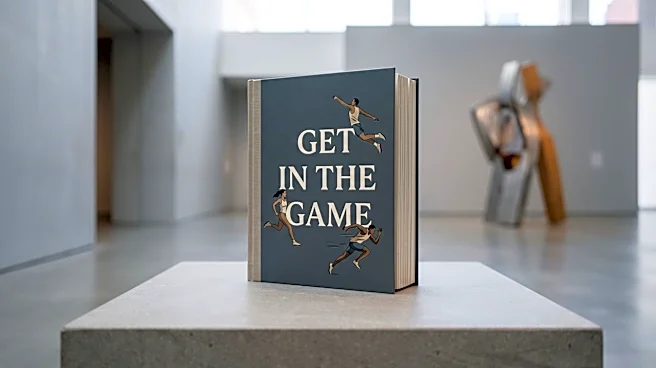
Jay Caspian Kang, a staff writer for The New Yorker, has contributed an essay on youth sports to 'Get in the Game: Sports, Art, Culture,' a publication accompanying a major exhibition at the SFMOMA. This book, set to release in Fall 2024, explores the intersection
of sports and contemporary culture, highlighting how sports shape culture and provide a platform for discussions on gender, race, money, and the human body. The publication features a collection of diverse voices, including essays from nine artists/athletes, a poem by Natalie Diaz, and contributions from other writers such as Frank A. Guridy, Sara Hendren, Theresa Runstedtler, Bruce Schoenfeld, and Seph Rodney. The book also includes graphic novel-style illustrations by artist and surfer AJ Dungo, depicting iconic moments and related activities in sports history. 'Get in the Game' aims to illuminate the beauty, strength, emotion, and elements that define humanity within the realm where sports and art converge.
Why It's Important?
The inclusion of Jay Caspian Kang's essay on youth sports in 'Get in the Game' underscores the growing recognition of sports, particularly youth sports, as a significant cultural and societal phenomenon in the U.S. This publication from a prominent institution like SFMOMA elevates the discourse around sports beyond mere competition, positioning it as a rich subject for artistic and intellectual exploration. For U.S. society, this initiative highlights how sports serve as a microcosm for broader societal issues, including identity, equity, and the human experience. It encourages a deeper examination of the values instilled through youth sports, the pressures faced by young athletes, and the role these activities play in community building and personal development. The interdisciplinary approach of the book, combining art, literature, and critical essays, offers a fresh perspective on how sports influence and reflect American culture, potentially sparking new conversations among academics, artists, and the general public about the cultural impact of athletic endeavors.
What's Next?
The 'Get in the Game' exhibition is scheduled to open at SFMOMA in Fall 2024, coinciding with the release of the accompanying publication. Following its launch, the book is expected to be available for purchase, offering a lasting resource for those interested in the cultural dimensions of sports. The exhibition and publication will likely generate discussions and reviews within art and sports communities, potentially leading to further academic studies or artistic projects exploring similar themes. Educational institutions and cultural organizations might use the book as a teaching tool to analyze the complex relationship between sports, art, and society. The diverse perspectives presented in the publication, including Kang's essay, could also influence future curatorial decisions in museums and galleries, encouraging more exhibitions that bridge the gap between sports and contemporary art. The ongoing dialogue initiated by this project could foster a greater appreciation for the cultural significance of sports across various demographics.
Beyond the Headlines
The 'Get in the Game' publication, featuring Jay Caspian Kang's essay, delves into the less obvious implications of sports, particularly youth sports, by examining their ethical and cultural dimensions. Beyond the scores and championships, youth sports in the U.S. often serve as a foundational experience for character development, teamwork, and resilience, but also expose participants to issues of intense competition, parental pressure, and socio-economic disparities. Kang's contribution likely explores these nuanced aspects, prompting readers to consider the long-term psychological and social impacts on young athletes. The book's broader focus on gender, race, and the body within sports highlights how these activities can either perpetuate or challenge existing societal norms and inequalities. By integrating artistic interpretations with critical essays, the publication encourages a holistic understanding of sports as a powerful cultural force that shapes individual identities and collective values, moving beyond superficial narratives to address deeper questions about human aspiration, struggle, and community.