



What's Happening?
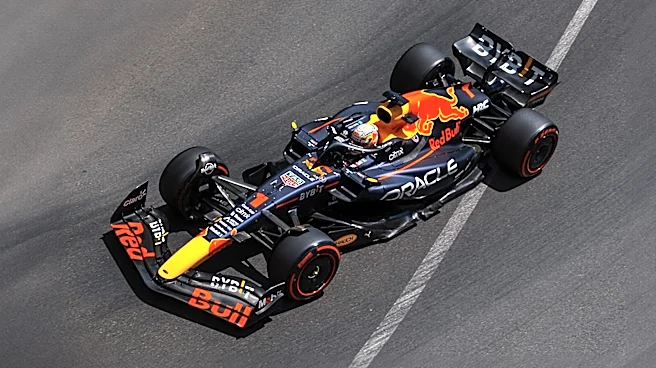
Red Bull Racing expects to begin utilizing its new, state-of-the-art Formula 1 wind tunnel sometime during the 2027 season, with full benefits anticipated for the 2028 car development. Laurent Mekies, Red Bull Racing, acknowledged that the team's current
wind tunnel is the oldest on the F1 grid, a facility previously described by former team principal Christian Horner as a 'Cold War relic.' While the team has achieved extraordinary results with its existing setup, Mekies believes the new facility will unlock significant competitive advantages. The transition to the new wind tunnel will involve a period of calibration and understanding, meaning immediate performance gains are not expected upon activation. The new wind tunnel is projected to contribute to the latter part of the 2027 car's development and most of the 2028 car's design.
Why It's Important?
The introduction of a new wind tunnel represents a substantial investment and a critical strategic move for Red Bull Racing in the highly competitive world of Formula 1. Modern wind tunnels are essential for aerodynamic development, which is a cornerstone of F1 car performance. Upgrading from an outdated facility to a state-of-the-art one could provide Red Bull with a significant technological edge, potentially allowing them to maintain or extend their competitive advantage over rivals. This move is particularly important as other teams, such as McLaren and Aston Martin, have also invested heavily in new wind tunnel technology, demonstrating its perceived value in the sport. The long-term impact on Red Bull's car design and overall championship aspirations could be profound, influencing their ability to attract and retain top talent.
What's Next?
The new wind tunnel is expected to come online during the 2027 season, with the exact timing (first, second, or third quarter) dependent on the completion of setup and calibration. During this period, Red Bull's aerodynamic department will focus on understanding the new tool to maximize its potential. While the initial development of the 2027 car is already underway using existing facilities, the new wind tunnel will play a crucial role in its subsequent evolution and the comprehensive design of the 2028 car. This strategic upgrade signals Red Bull's commitment to long-term dominance in Formula 1, and rival teams will be closely monitoring its impact on their performance.
Beyond the Headlines
The investment in a new wind tunnel goes beyond mere technological upgrade; it reflects the continuous arms race in Formula 1 engineering. The 'correlation' issue, where wind tunnel data doesn't perfectly match on-track performance, is a persistent challenge for all teams. A modern facility aims to minimize this discrepancy, allowing engineers to translate theoretical designs into tangible performance gains more effectively. This technological leap could also influence the team's organizational structure and talent acquisition, as specialized engineers and aerodynamicists will be needed to fully exploit the new capabilities. The long-term implications could see a shift in the competitive balance of power in F1, as teams with superior infrastructure gain a sustained advantage, potentially leading to further consolidation of resources among the top contenders.