



What's Happening?
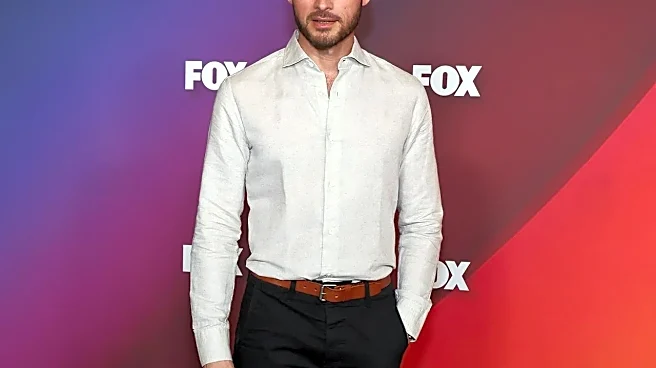
Cameron Monaghan, known for his role as Jerome Valeska in the Fox series Gotham, played a character that was a proto-Joker due to restrictions imposed by Warner Bros. The studio prohibited the use of the name 'Joker' and specific visual elements like
'pure green' to reserve them for films. This creative limitation led to the development of Jerome Valeska, and later his brother Jeremiah, as characters embodying the 'ideology of a man' rather than a direct portrayal of the Joker. Monaghan played both brothers across five seasons, with Jerome first appearing in 'The Blind Fortune Teller' on February 16, 2015. The series explored the concept of the Joker as an idea that spreads, pushing boundaries with storylines such as Jerome's face being cut off and reattached. This approach, born from a rights department's decision, ultimately resulted in a television villain that many viewers preferred over other interpretations.
Why It's Important?
This situation highlights the significant impact of intellectual property rights and corporate decisions on creative storytelling, particularly within established franchises like Batman. Warner Bros.' directive to withhold the Joker's name and specific visual cues from Gotham demonstrates a strategic effort to maintain exclusivity and perceived value for its film properties. This can influence how iconic characters are adapted across different media, potentially leading to innovative interpretations that might not have otherwise emerged. For audiences, it means that television adaptations may offer unique takes on familiar characters, diverging from comic canon due to external constraints. For the entertainment industry, it underscores the complex interplay between creative freedom, brand management, and the financial considerations of major studios, shaping the landscape of character development and narrative choices in popular culture.
What's Next?
The success of Cameron Monaghan's portrayal under these restrictions could influence future adaptations of well-known characters in shared universes. Studios might continue to explore alternative interpretations or 'proto-versions' of iconic figures when full rights are reserved for other projects. This approach allows for character exploration without directly competing with or diluting film franchises. It also sets a precedent for how creative teams can navigate strict intellectual property guidelines to produce compelling narratives. Future discussions around character rights and cross-media adaptations will likely consider such examples, potentially leading to more nuanced agreements that balance creative expression with brand protection. The audience's positive reception to such constrained creativity may also encourage studios to be more open to unconventional character development.
Beyond the Headlines
The case of Jerome Valeska in Gotham delves into the deeper implications of creative constraints fostering innovation. What began as a significant handicap—a Batman prequel unable to name its most iconic villain—transformed into a unique opportunity for the show's creators and actor Cameron Monaghan. By being forced to conceptualize the Joker as an evolving ideology rather than a singular character, the series explored themes of madness, influence, and the origins of villainy in a way that might not have been possible with a direct adaptation. This demonstrates how limitations, often perceived as negative, can paradoxically lead to more profound and original artistic outcomes. It also raises questions about the nature of intellectual property and whether strict adherence to canon always serves the best interests of storytelling, or if creative detours can sometimes yield more compelling and memorable results for audiences.