


What's Happening?
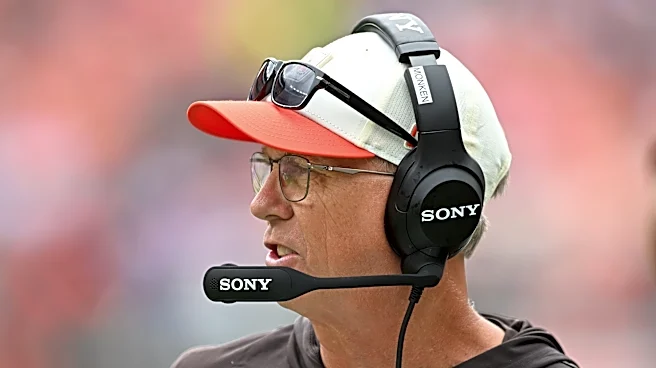
Baltimore Ravens coach John Harbaugh recently revealed the team's significant interest in signing quarterback Colin Kaepernick in 2017 after he became a free agent. Harbaugh, who was impressed by Kaepernick's past performance, including Super Bowl XLVII,
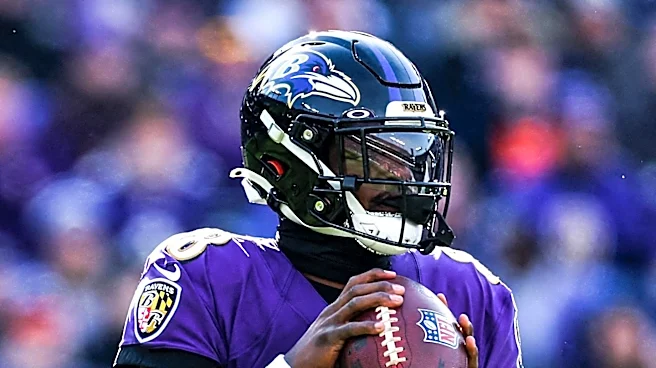
and had positive insights from his brother Jim Harbaugh, believed Kaepernick could be a valuable asset despite Joe Flacco being the starting quarterback. Harbaugh stated that fan backlash regarding Kaepernick's national anthem protests in 2016 was not a deciding factor for the team. However, the potential signing ultimately did not materialize. Reports indicate that Ravens owner Steve Bisciotti had reservations about acquiring Kaepernick, and a planned visit never occurred. Kaepernick's girlfriend, Nessa Diab, later made social media posts referencing Bisciotti, which coincided with the visit's cancellation. Harbaugh speculated that even with Kaepernick, the team might still have pursued Lamar Jackson in the 2018 draft.
Why It's Important?
This revelation sheds light on the behind-the-scenes considerations of an NFL team regarding a highly controversial player during a pivotal moment in his career. The decision not to sign Kaepernick, reportedly influenced by owner Steve Bisciotti's reservations, highlights the complex interplay between player talent, public perception, and ownership's influence in professional sports. For the NFL, it underscores the challenges teams faced in navigating the political and social landscape surrounding player protests. The potential impact on the Ravens' roster development is also significant; had Kaepernick been signed, it could have altered the team's quarterback strategy and potentially impacted the timeline or necessity of drafting Lamar Jackson, who later became an MVP for the team. This situation reflects the broader societal discussions about athlete activism and its intersection with professional sports careers.
What's Next?
As Colin Kaepernick prepares to release a new book, more details surrounding his past career decisions and interactions with NFL teams may emerge. This renewed attention could reignite discussions about his NFL career and the circumstances that led to his absence from the league. For the Baltimore Ravens, this information provides additional context to their team-building strategies during that period. While the immediate impact on the current team is minimal, it contributes to the historical narrative of the franchise and its decision-making processes. Future discussions or interviews with key figures involved, such as Steve Bisciotti or Colin Kaepernick, could offer further insights into the specific reasons the signing did not proceed and the broader implications for player activism in professional sports.
Beyond the Headlines
The situation surrounding Colin Kaepernick and the Baltimore Ravens extends beyond a simple player acquisition decision; it touches upon deeper themes of athlete agency, corporate responsibility, and the influence of public opinion on professional sports. The reported reservations of owner Steve Bisciotti, despite coach John Harbaugh's interest in Kaepernick's football abilities, suggest that factors beyond on-field performance can heavily weigh on team decisions. This incident highlights the ethical and cultural dimensions of sports, where athletes' political stances can impact their careers and team dynamics. It also raises questions about the power structures within sports organizations, particularly the ultimate authority of ownership in personnel decisions. The ongoing legacy of Kaepernick's protests continues to shape conversations about social justice in sports and the role of athletes as agents of change.