
What's Happening?
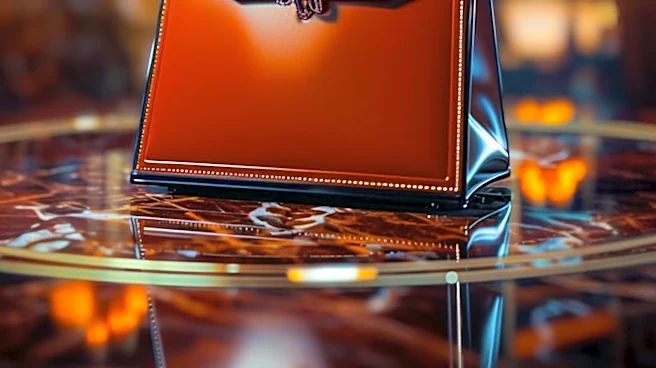
A viral Reddit thread, titled 'They did it, they killed the Birkin,' has sparked a debate among fashion enthusiasts regarding the Hermès Birkin bag's perceived loss of exclusivity due to its widespread visibility in influencer content. The discussion,
which garnered over 1,100 upvotes, specifically highlighted New York TikTok creators like Halley Kate McGookin and Greta Rolli frequently showcasing the luxury handbag. Critics argue that the constant display of the Birkin, traditionally known for its scarcity and restricted access, has made it feel ubiquitous and diminished its mystique. Some commenters compared this phenomenon to how avocado toast became 'ubiquitous and tired' after widespread social media exposure. The core of the complaint is not about influencers owning Birkins, but rather how the bag is repeatedly positioned as the central element in highly curated social media posts, leading to a sense of 'performative Birkins.'
Why It's Important?
This discussion underscores a broader challenge for luxury brands in the age of social media and influencer marketing. While influencer visibility can drive aspiration and sales, it can also inadvertently dilute the perceived exclusivity and status of high-end products. For brands like Hermès, whose appeal is historically rooted in craftsmanship, scarcity, and limited access, this overexposure could impact their long-term brand image among a segment of their discerning clientele. The debate highlights a generational divide in how luxury is perceived, with some Gen Z consumers and fashion fans feeling that the constant online presence of a once-elusive item diminishes its allure. While Hermès' financial performance for the Birkin remains strong, with resale values continuing to rise, the cultural conversation suggests a potential shift in how consumers view and value luxury goods in the digital era.
What's Next?
Luxury brands will likely continue to navigate the complex relationship between influencer marketing and brand exclusivity. Hermès, despite the social media backlash, shows no signs of the Birkin losing its financial pull, with strong resale and auction results. However, the growing sentiment among fashion fans regarding 'overexposure' may prompt brands to re-evaluate their influencer strategies, potentially focusing on more curated partnerships or emphasizing the unique craftsmanship and heritage of their products rather than just their visibility. The trend of 'performative Birkins' could lead to a shift in how influencers showcase luxury items, perhaps moving towards more subtle integration rather than overt display. This ongoing dialogue will likely influence future marketing approaches within the luxury sector, as brands strive to maintain desirability while engaging with digital audiences.
Beyond the Headlines
The 'Birkin backlash' reveals a deeper cultural tension between aspirational luxury and the democratizing, yet sometimes homogenizing, effect of social media. The original Birkin, as carried by Jane Birkin herself, was a well-used, personalized item, contrasting sharply with the pristine, front-and-center displays seen in many influencer posts today. This highlights a shift from luxury as a personal, lived experience to luxury as a performative symbol for online consumption. The debate also touches on the evolving definition of 'status' in a digital world, where visibility can be both a currency and a detractor. It raises questions about authenticity in influencer culture and whether the pursuit of online validation can inadvertently undermine the very qualities that make luxury items desirable. This phenomenon could lead to a re-evaluation of what constitutes true luxury and exclusivity in an increasingly transparent and interconnected world.