


What's Happening?
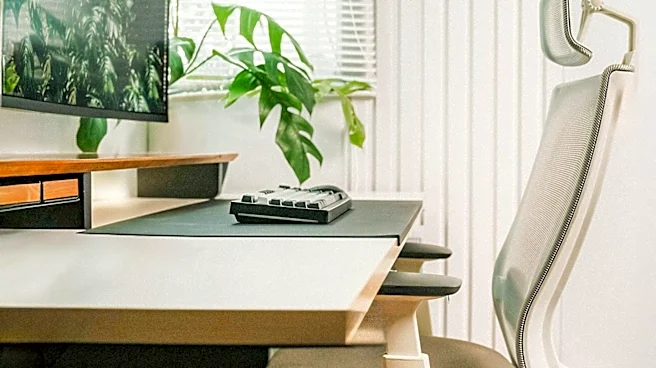
Eureka Ergonomic has introduced a new line of furniture collections designed to meet the changing demands of remote and hybrid work environments, which increasingly blend office and home living spaces. The new offerings include design-forward office furniture,
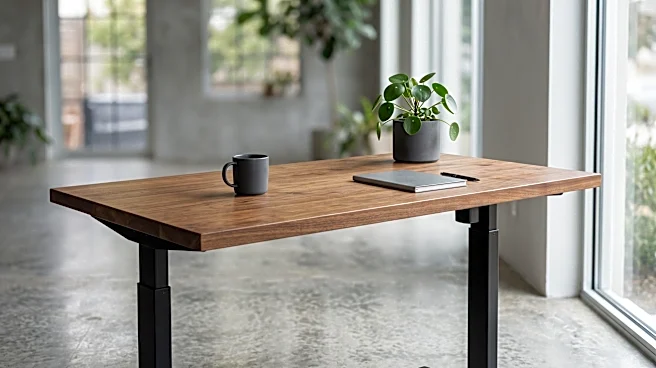
smart height-adjustable desks, ergonomic chairs, lounge furniture, space-saving storage, and premium modular cabinetry. Key collections highlighted are Aurelia, featuring a modern home aesthetic for office furniture; Mathias, expanding with classic bentwood designs for various seating options; Prime and Norwood, offering distinct standing desk approaches with integrated technology or natural wood finishes; and Ark, Cubo, and Arundel, providing diverse storage solutions. The Arundel collection, in particular, marks the brand's entry into premium custom cabinetry, moving beyond traditional freestanding units to offer integrated display, storage, and decor systems. This expansion reflects a focus on combining design, materials, and practical functionality to create furniture that adapts to different work habits and lifestyles.
Why It's Important?
This development is significant for the U.S. furniture market and consumers, particularly as remote and hybrid work models continue to reshape living and working environments. The emphasis on multifunctional, aesthetically pleasing, and technologically integrated furniture addresses a growing consumer need for pieces that serve multiple purposes without compromising style or comfort. For businesses like Eureka Ergonomic, this strategy allows them to capture a larger share of the evolving home and office furniture market by offering comprehensive solutions. Consumers stand to benefit from a wider array of choices that can optimize smaller living spaces, enhance productivity in home offices, and integrate seamlessly into existing home decor. The focus on durability and adaptability also suggests a move towards more sustainable consumption patterns, as furniture is designed for long-term use and evolving needs, potentially reducing the frequency of replacements.
What's Next?
Eureka Ergonomic plans to further expand its Arundel collection to include living and dining room furniture, extending its design language into more residential settings. This indicates a strategic move towards offering complete whole-space furnishing solutions, blurring the lines between traditional office and home furniture. The company's continued innovation will likely focus on integrating smart technology, ergonomic features, and adaptable designs across its product lines. Other furniture manufacturers may follow suit, leading to a broader market trend of multifunctional and integrated furniture solutions. Consumers can anticipate more options that cater to flexible lifestyles, with an increased emphasis on personalized and adaptable home environments. The competitive landscape in the furniture industry is expected to intensify as companies vie to meet these evolving consumer demands.
Beyond the Headlines
The shift towards multifunctional furniture and integrated living/working spaces has deeper implications for urban planning and residential design. As homes increasingly serve as offices, gyms, and entertainment hubs, there will be a greater demand for flexible architectural layouts and interior design solutions that maximize space utility. This trend could influence real estate development, with a premium placed on homes that can easily adapt to diverse functions. Furthermore, the emphasis on durable and adaptable furniture aligns with broader sustainability goals, encouraging consumers to invest in quality pieces that last longer, thereby reducing waste. The integration of technology into furniture also raises questions about data privacy and the long-term impact of 'smart' environments on daily life, prompting discussions around the ethical considerations of connected living spaces.