




What's Happening?
The Federal Reserve is facing increased pressure to consider a rate hike in September as oil prices surge and tensions in the Middle East escalate. According to CME's FedWatch tool, the likelihood of a rate increase at the September policy meeting has
risen to approximately 82%, up from 53% a week ago. Despite expectations that the Fed will maintain the current interest rates of 3.50% to 3.75% at its upcoming meeting, a growing minority anticipates a potential rate hike. The rise in oil prices, with Brent crude reaching $100 a barrel, and a drop in jobless claims to their lowest since 1969, are contributing factors. These developments suggest a focus on inflation over labor market health, potentially impacting stock markets and economic forecasts.
Why It's Important?
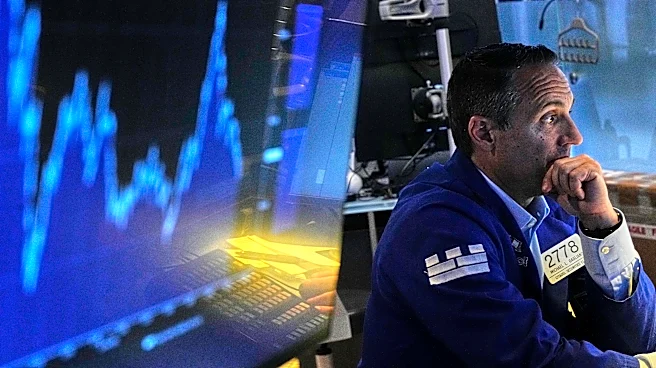
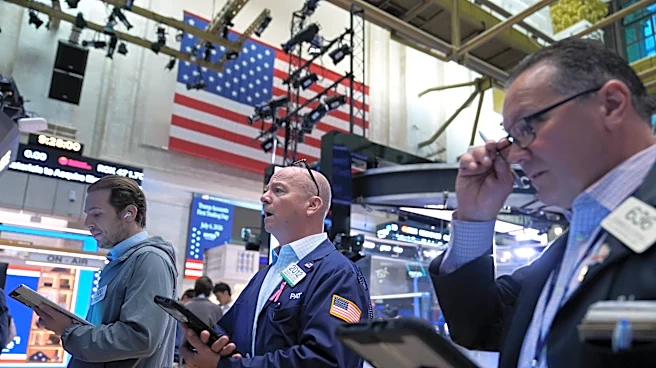
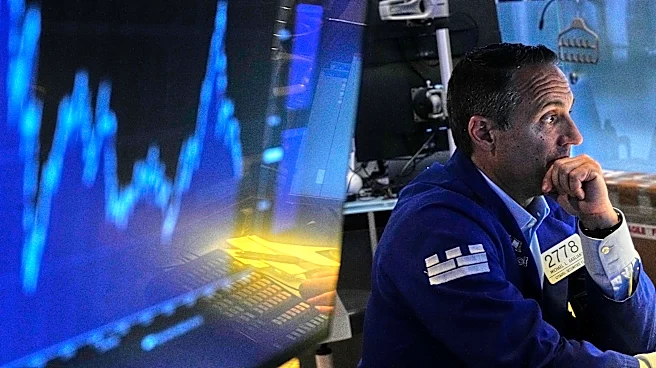
The potential rate hike by the Federal Reserve could have significant implications for the U.S. economy. Higher interest rates may lead to increased borrowing costs, affecting consumer spending and business investments. The stock market has already shown signs of strain, with the Dow Jones Industrial Average dropping by 500 points and the Nasdaq Composite falling over 2%. The rise in oil prices and Treasury yields, coupled with the Fed's potential shift in monetary policy, could create a challenging environment for economic growth. Investors and businesses are closely monitoring these developments, as they could influence financial strategies and market stability.
What's Next?
The Federal Reserve's upcoming meetings will be critical in determining the direction of U.S. monetary policy. Market participants are particularly focused on the September meeting, which is now considered a 'live' meeting for potential rate changes. The Fed's decisions will likely be influenced by ongoing economic indicators, including inflation rates and employment data. Stakeholders, including businesses and investors, will need to prepare for possible adjustments in interest rates and their broader economic impact. The Fed's actions will also be closely watched by international markets, given the global interconnectedness of financial systems.