









What's Happening?
Recent analysis highlights several key indicators that suggest the potential for an economic recession. These indicators include the CAPE (Shiller P/E) ratio, the Buffett Indicator (market-cap-to-GDP), and FINRA margin debt levels. These metrics, when
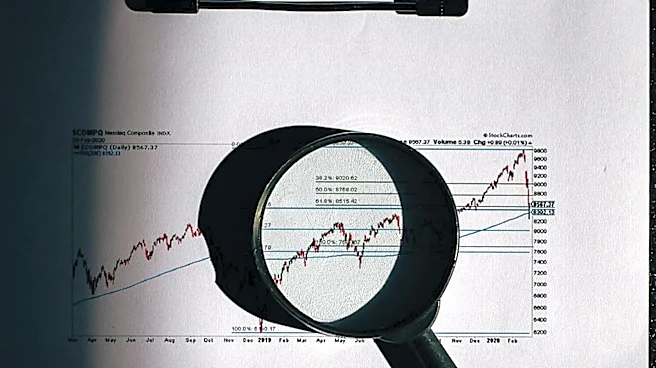
combined, can signal the probability of an economic bubble and subsequent recession. Historical examples, such as the NASDAQ's 78% decline from its March 2000 peak, illustrate the severe impact of such economic downturns. The broader economic consequences often include a reversal of the wealth effect, credit tightening, and unemployment spikes, which can lead to significant economic challenges.
Why It's Important?
Understanding these indicators is crucial for investors and policymakers as they provide early warning signs of potential economic instability. A recession can lead to widespread financial distress, affecting retirement accounts, credit markets, and employment rates. The ability to recognize these signs allows for proactive measures to mitigate the impact, such as adjusting investment strategies or implementing policy interventions. The historical context of past economic bubbles underscores the importance of vigilance and preparedness in the face of potential economic downturns.
What's Next?
If these indicators continue to signal a potential recession, it is likely that financial institutions and policymakers will take steps to address the underlying issues. This could include tightening credit conditions, adjusting interest rates, or implementing fiscal policies to stimulate economic growth. Investors may also need to reassess their portfolios to reduce exposure to high-risk assets and focus on more stable investments. The ongoing monitoring of these indicators will be essential in determining the appropriate course of action.
Beyond the Headlines
The psychological impact of economic bubbles and recessions can have long-lasting effects on investor behavior and market dynamics. The fear of loss and the memory of past downturns can lead to more cautious investment strategies and a reluctance to engage in speculative activities. This shift in behavior can influence market trends and the overall economic landscape, highlighting the complex interplay between economic indicators and human psychology.