





What's Happening?
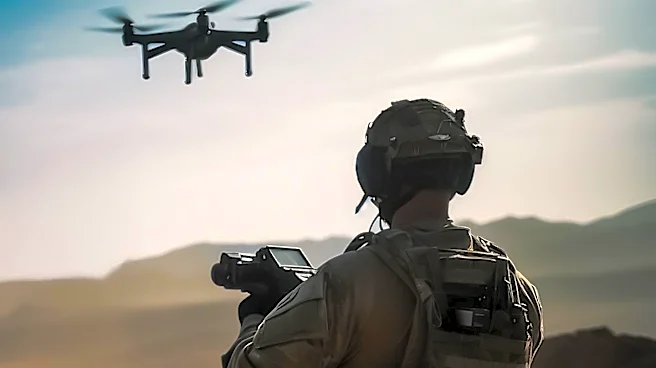
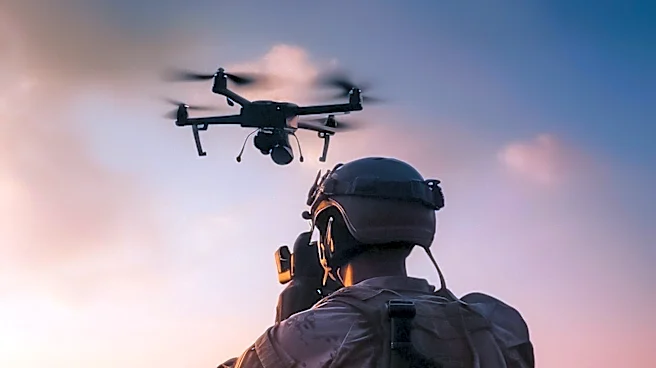
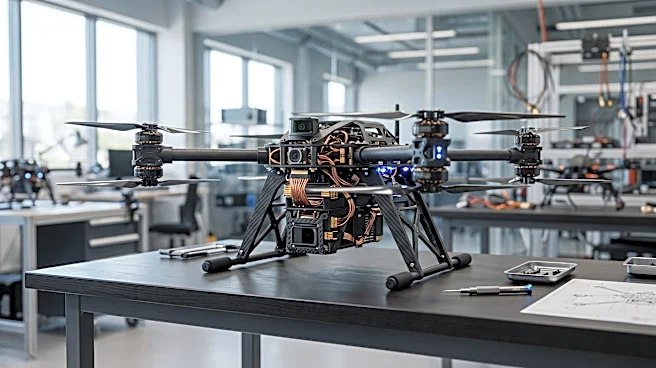
Swarmer Inc., a Ukrainian company specializing in autonomous drone swarm software and artificial intelligence (AI), has listed on the American Nasdaq exchange under the ticker SWMR in March 2026. The company's technology enables a single operator to coordinate
multiple drones simultaneously, distributing tasks and adapting to mission changes. Since April 2024, Swarmer's systems have supported over 100,000 combat missions in Ukraine, according to investment firm Green Flag Ventures. In September 2026, Swarmer announced an agreement to acquire Ratel Robotics, a Ukrainian ground robotic systems manufacturer, in a deal potentially valued at $224 million, contingent on performance milestones. This move signifies a growing trend in Ukraine's defense industry, which has rapidly innovated in fields like FPV drones, electronic warfare, AI, and unmanned ground vehicles since February 2022. The country's annual weapons production capacity is projected to reach $55 billion in 2026, a significant increase from approximately $1 billion in 2022, with over 2,500 companies participating in the Brave1 ecosystem for military innovation.
Why It's Important?
Swarmer Inc.'s Nasdaq listing and acquisition of Ratel Robotics highlight the increasing international investment and strategic importance of Ukrainian defense technology, particularly in autonomous systems and AI. This development provides Swarmer with access to U.S. capital markets, potentially fueling further research, development, and expansion of its drone swarm capabilities. For the U.S. and its allies, this signifies a growing opportunity to leverage battle-tested Ukrainian innovations in unmanned systems, which have proven effective in modern warfare scenarios. The integration of AI and autonomous control in drone operations represents a significant shift in military strategy, enabling more efficient and coordinated engagements while reducing direct human exposure to combat. The success of companies like Swarmer also underscores Ukraine's emergence as a global laboratory for new warfare technologies, attracting interest from Western defense contractors and investors seeking partnerships and advanced solutions.
What's Next?
Following its Nasdaq listing and the acquisition of Ratel Robotics, Swarmer Inc. is likely to focus on integrating Ratel's ground robotic systems with its drone swarm software, aiming to create more comprehensive autonomous battlefield solutions. This integration could lead to the development of combined air and ground unmanned systems capable of complex, coordinated missions. The company may also seek to expand its market reach beyond Ukraine, offering its advanced AI and drone swarm management software to other nations looking to modernize their defense capabilities. Further investment rounds and strategic partnerships with international defense firms are also probable as Swarmer continues to scale its operations and technological advancements. The broader Ukrainian defense tech sector is expected to continue its rapid growth, with ongoing efforts to attract foreign investment and foster innovation within the Brave1 ecosystem, potentially leading to more Ukrainian companies entering international markets or forming alliances with Western partners.
Beyond the Headlines
The rise of companies like Swarmer Inc. and Ukraine's burgeoning defense tech industry signals a profound shift in the global defense landscape, where software, data, and AI are becoming as critical as hardware. This trend raises significant ethical and strategic questions regarding the future of autonomous warfare, including the role of human decision-making in combat, the potential for algorithmic bias, and the implications for international arms control. The rapid development cycle in Ukraine, driven by immediate battlefield needs, is creating a new paradigm for defense innovation that prioritizes speed and adaptability over traditional, lengthy procurement processes. This model could influence how other nations approach military R&D, potentially leading to faster adoption of cutting-edge technologies but also posing challenges for interoperability and standardization. Furthermore, the increasing reliance on AI-powered drone swarms could redefine concepts of military superiority and deterrence, prompting a re-evaluation of existing defense doctrines and international security frameworks.