





What's Happening?
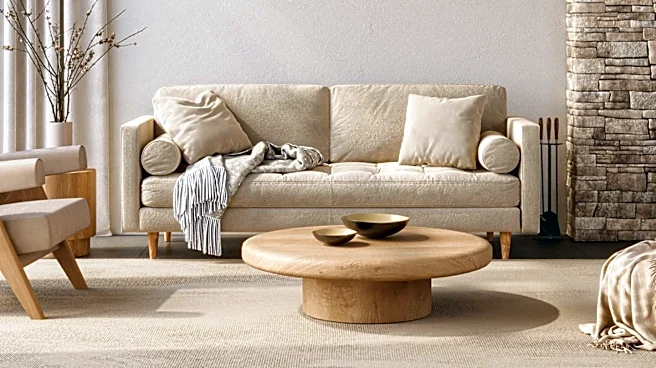
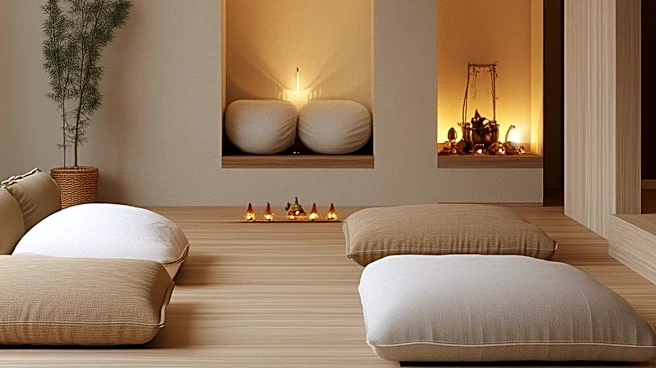
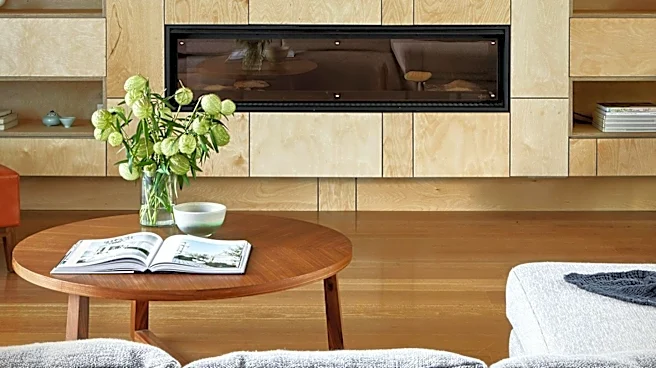
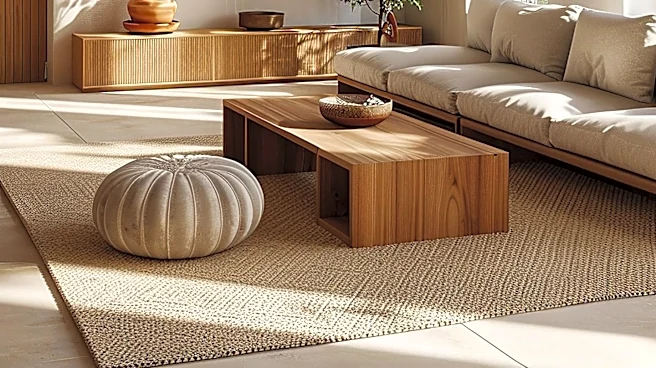
The concept of warm minimalism in interior design is gaining traction as a response to the traditional cold minimalism that often results in sensory deprivation. Warm minimalism focuses on replacing object complexity with material complexity, creating
environments that are neurologically restful. This approach is informed by advances in neuroaesthetics and biophilic design principles, which emphasize the importance of texture and natural materials in creating spaces that feel restorative. The shift towards warm minimalism is also influenced by a post-pandemic reevaluation of what home environments should provide, moving beyond mere visual order to spaces that support mental well-being.
Why It's Important?
The adoption of warm minimalism in interior design has significant implications for mental health and well-being. By creating environments that are neurologically aligned with human needs, this design philosophy can reduce stress and promote relaxation. This is particularly relevant in the context of increased time spent at home due to remote work and other lifestyle changes. The focus on natural materials and textures aligns with a broader trend towards sustainability and environmental consciousness in design. As more people seek spaces that support their mental health, warm minimalism offers a practical and aesthetically pleasing solution.
What's Next?
As the principles of warm minimalism continue to gain popularity, we can expect to see more integration of biophilic design elements in residential and commercial spaces. Designers and architects may increasingly prioritize the use of natural materials and textures to create environments that are both visually appealing and supportive of mental well-being. This trend could also influence building codes and regulations, encouraging the adoption of design practices that prioritize occupant health. Additionally, as research in neuroaesthetics advances, we may see further innovations in how interior spaces are designed to support neurological health.