






What's Happening?
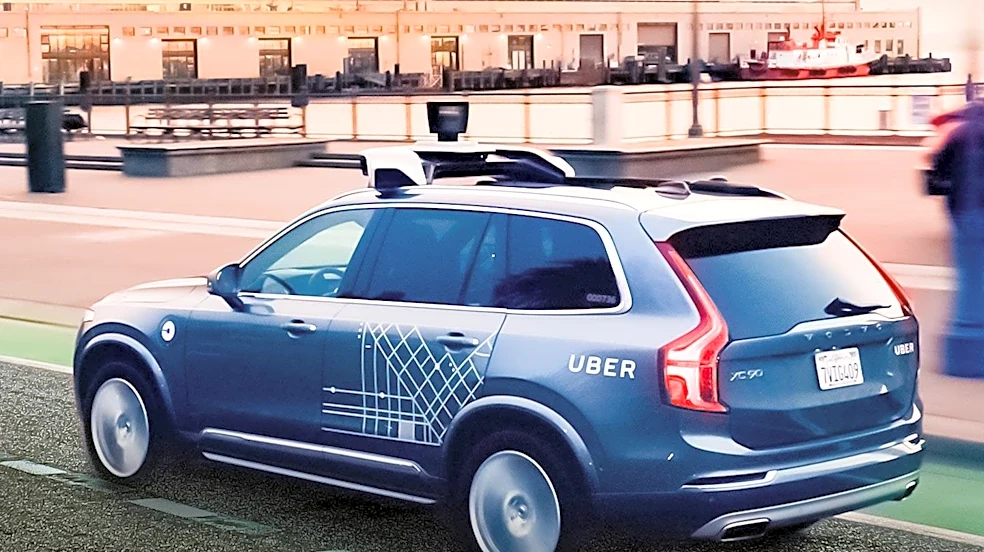
Uber is offering significant bonuses, some reaching several hundred dollars, to its ride-hailing drivers to encourage them to complete more trips. These incentives are designed to boost driver supply, particularly in anticipation of the busy holiday season
and events like Halloween. For instance, one driver was offered $525 for completing 45 trips within a few days, translating to an additional $10 to $12 per trip. This strategy mirrors a similar approach taken in 2021 when Uber invested aggressively to attract drivers back to the platform after the pandemic, increasing active drivers by 65% between January and November of that year, as stated by CEO Dara Khosrowshahi. The company later scaled back these incentives, but the current reintroduction suggests a renewed need to meet rider demand, which has recently seen increased wait times and higher per-mile costs.
Why It's Important?
Uber's reintroduction of substantial driver bonuses highlights a persistent challenge in the gig economy: maintaining an adequate supply of service providers to meet fluctuating consumer demand. This move is crucial for Uber to ensure service reliability and customer satisfaction, especially during peak periods like the holidays. For drivers, these bonuses offer a significant boost to their earnings, which have been impacted by rising operational costs, such as fuel prices. This strategy could also influence the broader gig economy by setting a precedent for how companies address supply-demand imbalances and driver compensation. The success of these incentives could determine Uber's market share and profitability in a competitive landscape, while also impacting the financial well-being of its independent contractors.
What's Next?
Uber will likely monitor the effectiveness of these bonus programs in increasing driver engagement and ride completions. If successful, the company may continue or expand such incentive structures during other high-demand periods. Conversely, if the bonuses do not yield the desired increase in driver supply, Uber might explore alternative strategies, such as adjusting its pricing model for riders or implementing new driver retention programs. The impact on driver earnings and satisfaction will be a key metric, potentially influencing future labor discussions and regulatory considerations regarding gig economy workers. Competitors in the ride-hailing and food delivery sectors will also be observing Uber's strategy, potentially adapting their own incentive programs to attract and retain drivers.
Beyond the Headlines
The recurring need for Uber to offer substantial bonuses to its drivers points to a deeper, systemic tension within the gig economy model: the balance between flexibility for workers and reliable service for consumers, all while maintaining profitability. This dynamic raises questions about the long-term sustainability of relying on independent contractors without providing traditional employee benefits or consistent income. The bonuses, while beneficial in the short term, may not address underlying issues such as job security, benefits, or the true cost of vehicle maintenance and fuel for drivers. This situation could fuel ongoing debates about worker classification and the need for more comprehensive social safety nets for gig workers, potentially leading to legislative changes that redefine the relationship between gig companies and their workforce.